2026 Top LED Lights for Your Entertainment Center Ideas?
In the world of modern home design, "LED Lights Entertainment Center" has revolutionized the way we experience our favorite media. According to Sarah Thompson, an expert in lighting design, "Effective use of LED lights can truly transform an entertainment space into an immersive environment." With the right setup, your entertainment center can become more than just a spot for your TV.
The ideal LED lights can enhance viewing experiences, amplify ambiance, and create a cozy atmosphere. Picture relaxing evenings, where color-changing LEDs complement your movie's mood. However, not every setup achieves this goal. Many people overlook the importance of proper placement and control options.
Reflecting on personal experiences, it's clear that small changes can make a big difference. Experimenting with different lighting positions may lead to unexpected results. A well-thought-out design of LED lights can elevate any entertainment center from ordinary to exceptional, but requires a thoughtful approach.
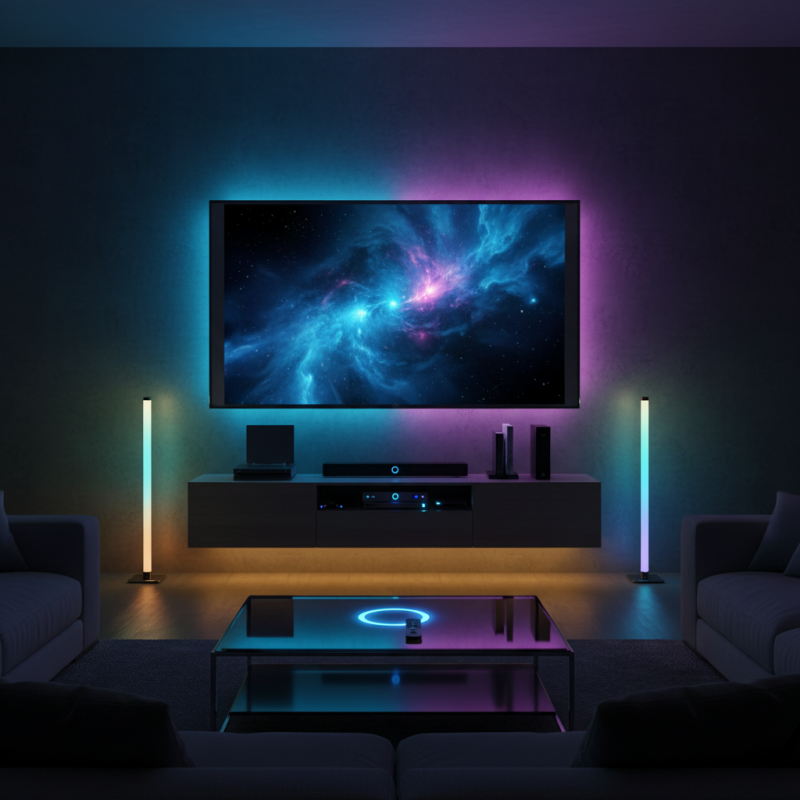
Top LED Light Types for Entertainment Centers in 2026
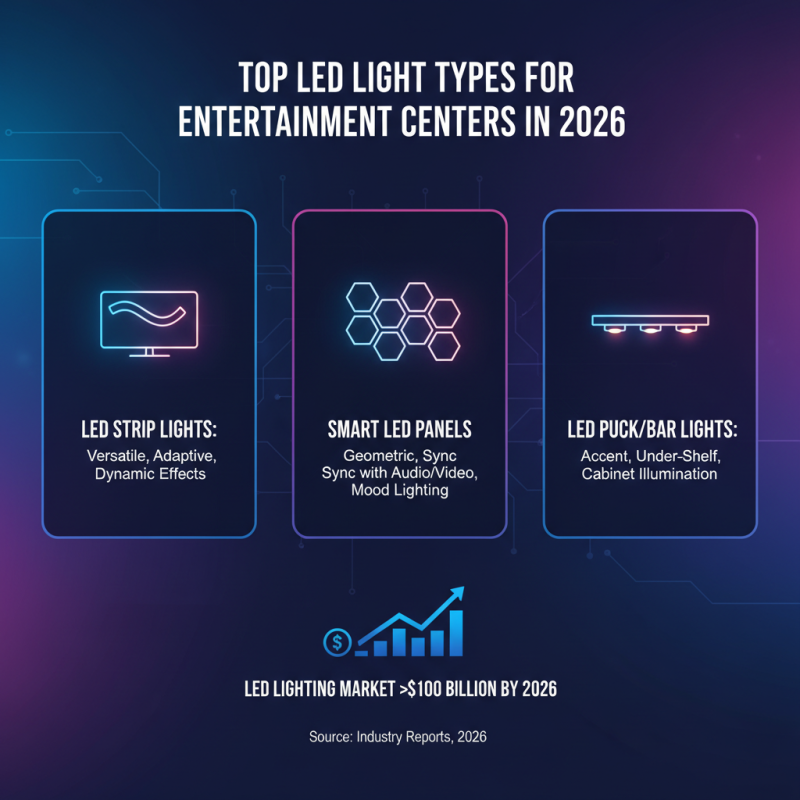
In 2026, LED lights continue to transform entertainment centers with enhanced visuals and immersive experiences. According to industry reports, the market for LED lighting is expected to exceed $100 billion. This growth reflects a shift towards smarter, energy-efficient lighting solutions. Homeowners increasingly prefer LED strip lights for their versatility and adaptability. These lights can transform a room's ambiance, providing vibrant colors and dynamic effects.
Several types of LED lights dominate the market. RGB LED strips are popular for their wide color spectrum, creating mood lighting easily adjustable from warm to cool tones. Accent lighting is another key type. It highlights specific features, such as artwork or shelves. Reports indicate that 47% of consumers prioritize ambient lighting for relaxation. However, while these LED solutions are appealing, they require careful placement to avoid overwhelming a space.
Wireless and smart LEDs are gaining traction. They offer convenience and connectivity, aligning with the rise in smart home technologies. Yet, integration can present challenges. Users may face compatibility issues with existing systems. Despite these hurdles, the advantages of LED technology in entertainment centers are undeniable. The visuals are stunning, and the energy savings are significant, demonstrating the ongoing evolution of home lighting designs.
Key Features to Look for in LED Lights for Home Entertainment
When selecting LED lights for your entertainment center, consider several vital features. Brightness is key; look for adjustable lumens to fit your mood. Color temperature matters too. Warm tones create a cozy atmosphere, while cooler tones enhance focus.
It's also essential to consider smart features. Many LED systems now offer app control. This allows for easy adjustments right from your phone. Voice control can enhance convenience, making it a worthy feature to explore.
**Tips:** Pay attention to color accuracy. A high Color Rendering Index (CRI) ensures that colors appear true to life. A CRI of 90 or above is excellent. Don’t overlook installation ease. Some systems require professional help, while others can be DIY-friendly. Finally, think about ambient lighting. It can transform the entire viewing experience, making it more immersive.
Best Color Options and Effects for a Dynamic Viewing Experience
Creating a dynamic viewing experience relies on the right lighting. The color options for LED lights can drastically change the atmosphere of your entertainment center. For example, warm tones provide a cozy, inviting feel. In contrast, cooler shades enhance focus during action-packed movies or intense gaming sessions.
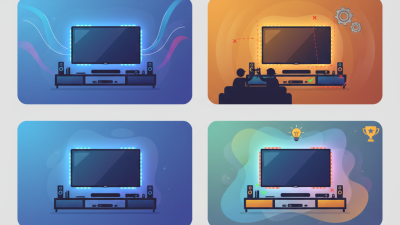
Consider integrating color-changing LED strips around your screen. This creates a subtle glow that complements the visuals. It's interesting how these lights can influence your mood. You might find that certain shades help you concentrate better. Testing different colors can lead to better engagement with your favorite content.
Tip: Use smart LEDs for scheduling. You can set them according to your viewing habits. Another suggestion is to experiment with color intensity. Too bright can be distracting. Too dim might not be effective. Balancing brightness will enhance your overall experience. Remember to consider the size of your space when choosing your lighting setup. This will ensure that your entertainment center looks cohesive and inviting.
Installation Tips for Setting Up LED Lights in Your Entertainment Area
Installing LED lights can significantly enhance your entertainment area. According to a recent industry report, LED lighting sales are projected to reach $65 billion by 2026, reflecting its popularity for home settings. This lighting not only improves ambiance but also highlights architectural features in your space.
To achieve optimal results, consider the following tips. First, measure your area precisely. Ensure the length of LED strips fits your intended installation location. Accurate measurements help avoid excess cutting or waste. Choose a color temperature that matches your entertainment mood. For a cinematic experience, opt for warmer tones.
Positioning is vital. Place LED strips behind furniture or along shelves to create a soft glow. Avoid direct visibility, which may cause glare. Experiment with various settings to find your preferred brightness. Many users report frustration with trying to find the right balance between function and aesthetics.
Lastly, secure LED strips with quality adhesive. Many fail to consider the importance of proper adhesion. This often leads to dissatisfaction when strips fall off. Strive for long-term placements to maximize your enjoyment of this versatile lighting solution.
Maintenance and Care for Longevity of LED Lights in Media Rooms
One of the biggest challenges with LED lights in media rooms is maintaining their longevity. Regular care is essential to prevent premature burnout. Dust and debris can accumulate on the fixtures, reducing their efficiency. Use a soft, dry cloth to wipe down the lights every few weeks. This simple action can improve their performance and lifespan significantly.
Additionally, overheating can be a concern. Ensure your LED lights are installed in well-ventilated areas. If they start to flicker or dim, it might be a signal that they are overheating. Consider using dimmers to control brightness levels. This not only enhances your viewing experience but also eases the strain on your lights.
Be mindful of their positioning. Placing LEDs too close to heat sources can lead to issues. If you notice any color inconsistency, it's worth checking their connections. Occasionally, bulbs may need recalibration. Learning these maintenance tips can promote better performance and longer use, allowing for a more enjoyable media experience.