Best Bedroom Furniture Ideas for Your Dream Space?
Creating your dream bedroom involves more than just selecting a color palette. Bedroom furniture plays a critical role in aesthetics and functionality. According to a report by Statista, the global bedroom furniture market is expected to reach over $80 billion by 2025, signaling a growing demand for quality and design.
When choosing bedroom furniture, consider both style and comfort. The right bed frame can enhance the beauty of the room while providing essential support. A survey by Furniture Today revealed that nearly 70% of consumers prioritize comfort when selecting their furniture. However, many overlook space optimization, leading to overcrowded rooms.
Reflecting on your personal style is vital. Trends evolve, yet your space should feel authentic to you. Remember, balancing aesthetics with practicality often requires thoughtful selection. Embrace imperfections in your choices, as they may lead to discovering unique pieces that tell your story.
Choosing the Right Style: Modern, Rustic, or Traditional Furniture
When it comes to choosing bedroom furniture, style plays a critical role. Modern furniture emphasizes clean lines and minimalism. According to a recent survey by the American Home Furnishings Alliance, 48% of consumers prefer modern designs for their bedrooms. This style often uses materials like metal and glass. The aesthetics promote a sense of spaciousness. However, it can sometimes feel too stark for certain tastes.
Rustic furniture offers warmth and comfort. This style often features reclaimed wood and natural textures, appealing to those seeking a cozy atmosphere. A report from the International Furniture Market indicates a 35% increase in demand for rustic pieces over the past two years. Yet, rustic furniture can conflict with modern decor. It may overwhelm a neatly designed space if not balanced carefully.
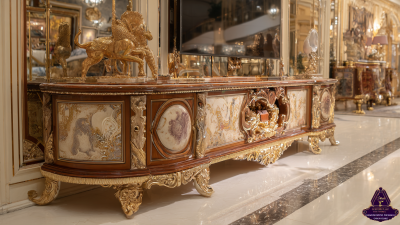
Traditional furniture evokes a sense of history and craftsmanship. It usually includes ornate details and rich materials. While only 17% of younger consumers lean towards this style, traditional pieces can add character. They work well as statement items in a bedroom. Balancing these styles requires critical thought. Mixing elements may lead to a cluttered look if not executed properly. The right choice depends on personal preference and how each style resonates in your dream space.
Best Bedroom Furniture Ideas for Your Dream Space
| Style |
Key Features |
Color Palette |
Material Options |
Best For |
| Modern |
Sleek lines, minimal design, functional |
White, gray, bold accents |
Metal, glass, engineered wood |
Contemporary spaces, small rooms |
| Rustic |
Warm colors, natural materials, handcrafted look |
Earth tones, deep greens, natural browns |
Reclaimed wood, stone, linen |
Cabins, countryside homes |
| Traditional |
Classic designs, ornate details, rich fabrics |
Warm neutrals, rich jewel tones |
Hardwood, velvet, leather |
Formality, classic decor enthusiasts |
Color Schemes and Materials: Creating a Cohesive Look in Your Bedroom
Creating a cohesive look in your bedroom relies heavily on your chosen color schemes and materials. Soft colors like pastels can bring a sense of calm, while bold colors can energize your space. Consider blending shades within the same color family. This can create depth without overwhelming the senses. For instance, pairing light gray with charcoal can provide a soothing backdrop and help highlight your furniture.
The materials you select are equally important. Wood offers warmth, while metal can add a modern twist. Mixing textures is key. Try combining a soft fabric bedspread with a sleek wooden nightstand. This contrast can evoke interest and comfort in your room. However, be cautious not to overdo it; too many different materials can create visual chaos.
When experimenting with these elements, remember that the process is not perfection. You might find that certain colors clash unexpectedly. Don't hesitate to adjust your palette or swap out materials until your vision aligns with reality. Embrace the journey of designing your bedroom and allow your personal style to shine through, even amid some trial and error.
Space-Saving Solutions for Small Bedrooms Without Sacrificing Style
When designing a small bedroom, maximizing space without sacrificing style is crucial. Recent reports from the American Institute of Architects indicate that 50% of homeowners prioritize multifunctional furniture for compact spaces. This trend leads to creative solutions that enhance both functionality and aesthetic appeal.
Consider a bed with built-in storage underneath. It saves space and keeps the room organized. A wall-mounted desk can offer a workspace without taking up valuable floor space. According to a survey by the National Home Furnishings Association, 75% of consumers believe effective use of space significantly improves their overall well-being.
Integrating vertical storage, such as tall bookshelves or hanging organizers, can also help. Home design experts suggest adopting a minimalist approach; however, this can result in feelings of emptiness. It’s essential to strike a balance where practicality meets personal style. Custom shelving that displays favorite items can provide warmth, even in a small area. Reflecting on these strategies can lead to a beautifully functional bedroom that feels uniquely yours.
Best Bedroom Furniture Ideas for Your Dream Space
Personalizing Your Bedroom: Tips for Adding Unique Touches to Furniture
Creating a personalized bedroom reflects your style and priorities. Customizing furniture is an excellent way to express individuality. According to a recent study by the American Home Furnishings Alliance, personalized furniture options increase satisfaction ratings by 72%. This data emphasizes the importance of tailored design choices in maximizing comfort.
Consider features like adjustable bed bases. They not only offer ergonomic benefits but also let you dictate the height and firmness according to your needs. Incorporating unique textiles can change the room's atmosphere. For instance, combining various fabric textures can invoke warmth and luxury. Combined with tasteful lighting, even simple pieces can transform the ambiance dramatically.
Artistic accents play a crucial role too. A boldly painted dresser or handmade nightstands can act as conversation starters. An unrefined, mismatched style can sometimes feel more authentic. Vibing with imperfections creates a lived-in charm. Ensuring the elements resonate with you is key. In today's market, 70% of consumers prioritize uniqueness in furniture choices. Embrace non-conventional elements to make your bedroom truly one-of-a-kind.