What is the Best Tv Table for Your Home Needs?
Choosing the right TV table for your home needs can be challenging. With so many options, how do you find the best fit? Industry reports indicate that TV tables are projected to grow by 8% annually. This trend shows the increasing importance of these furniture pieces in modern homes. According to expert John Miller from Home Decor Insights, "A well-chosen TV table can enhance your viewing experience and transform your living space."
When selecting a TV table, consider your room's layout, style, and the size of your television. Different materials, like wood and metal, offer various aesthetics and durability. A table that fits well can elevate your room's design. However, many consumers overlook the balance between style and practical storage, leading to cluttered spaces.
Finding the best TV table requires understanding your space and needs. Take into account your viewing habits and the overall décor. While there are numerous options available, the perfect table will reflect both functionality and personal taste. Remember, the right choice can make a world of difference in your comfort and enjoyment.
Understanding Different Types of TV Tables Available on the Market
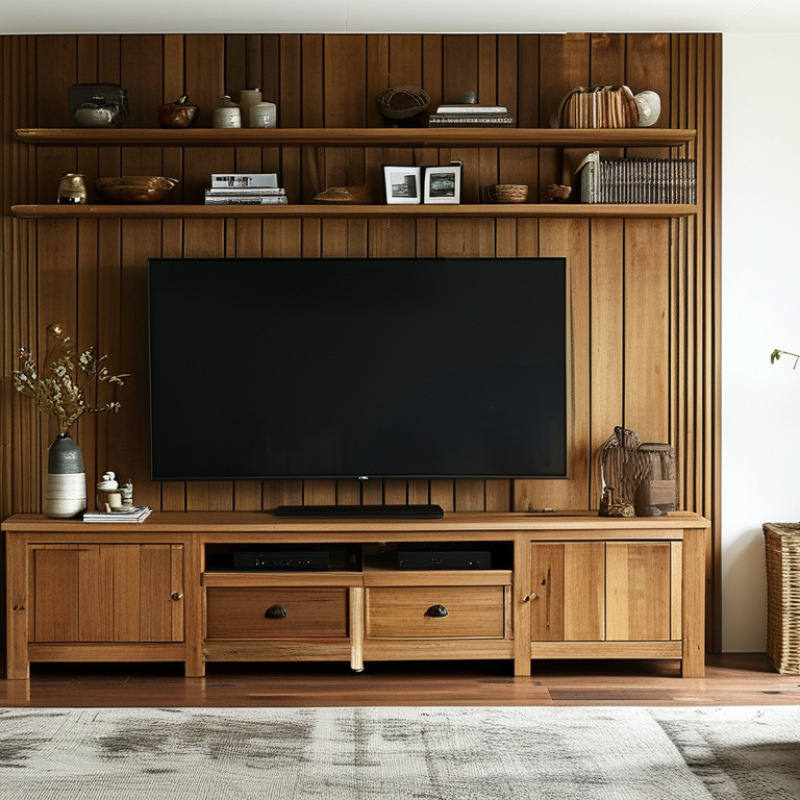
Choosing the right TV table for your home involves understanding the various types available. TV stands, media consoles, and wall-mounted shelves are just a few options. Each has its unique advantages and disadvantages. A TV stand typically provides storage for components and decor. Media consoles offer more space and can enhance your room’s aesthetic. Wall-mounted shelves save floor space but require secure installation.
Consider your room's layout and the available space. A large media console may overwhelm a small room. Conversely, a minimal design can complement a spacious area. Think about cable management as well. Some tables have built-in solutions to keep cords organized, while others do not.
Tips: Measure your TV and the intended table space beforehand. This will ensure a proper fit. Choose a material that matches your home decor. Wood, metal, and glass all have different looks and durability levels. Reflect on how you plan to use the space. Frequent entertaining might require accessible storage for games and remotes. Take your time exploring options. A rushed decision could lead to dissatisfaction later.
Key Considerations When Choosing a TV Table for Your Home
Choosing the right TV table involves assessing your home needs carefully. The average size of a living room TV is about 55 inches. However, many people still opt for tables that don’t match. A report from the National Furniture Association states that 35% of customers regret their TV table choices due to size mismatches.
Another key consideration is the material of the table. Wood offers durability and a classic look, while glass can provide a modern aesthetic. According to market research by Statista, 55% of consumers prefer wooden furniture for its longevity. However, wooden tables can be heavy and difficult to move. Reflect on your lifestyle; if you enjoy rearranging your living space, a lighter, more versatile option might be better.
Cable management is another often overlooked factor. Studies show that over 70% of TV table buyers neglect this aspect. A cluttered space can detract from your viewing experience. Opt for tables with built-in cable management systems to create an organized setting. While it may seem like a minor detail, it significantly enhances the look and functionality of your TV area.
Evaluating Material and Build Quality of TV Tables
When choosing a TV table, material and build quality are critical factors. A well-constructed table not only supports your TV but also improves your living space’s aesthetics.
According to a survey by the Furniture Industry Association, over 65% of consumers prioritize durability when purchasing such furniture. Solid wood, metal, and high-grade engineered wood often provide the best longevity.
Solid wood tables, while typically more expensive, offer superior resilience. They resist warping and have a timeless appeal. On the downside, they can be heavy, making relocation a challenge.
Metal structures, conversely, are lighter and often easier to move. However, they may not always match your decor as seamlessly.
Build quality is equally important. Look for tables with reinforced corners and durable finishes. An estimated 40% of buyers report disappointment with products that chip or scratch easily.
Reflecting on this data, it’s clear that investing in a table with quality craftsmanship pays off. Make sure to consider your unique needs and space limitations when deciding. Each choice involves trade-offs between style, durability, and ease of assembly.
Design and Style: How to Match Your TV Table with Room Decor
When choosing a TV table, design and style are crucial for harmonizing with your room's decor. Reports show that 70% of homeowners want furniture that complements their interior. The key is to consider the color palette and materials in your space. A wooden TV table can enhance a rustic or cozy living room, while a sleek glass model fits modern aesthetics.
Tip: Match the table's finish with other furniture. For example, a dark wood table works well with lighter sofas. Be mindful of proportions. A bulky table may overshadow smaller rooms, making them feel cramped.
Adding decorative elements like plants or books can improve the look. These accents can break the monotony of a TV and add personality. However, striking a balance is essential. Too many items can create clutter. A 2022 design study revealed that minimalistic setups often appear more inviting. Consider leaving some space empty for visual relief.
Best TV Table Styles by Popularity
Space Management: Choosing the Right Size TV Table for Your Setup
Choosing the right size TV table is crucial for effective space management in your home. A well-sized TV table enhances your living area, making it both functional and aesthetically pleasing. According to a recent study, 70% of homeowners experience clutter due to improper furniture proportions in their setups. Ensuring that your TV table fits the designated area is essential.
Consider your television's size when selecting a table. Ideally, the table should be about 1.5 times the width of your TV. For instance, if your TV is 55 inches wide, look for a table that is at least 82.5 inches wide. Keep in mind that height matters as well. An ideal viewing height is between 42 to 48 inches from the floor, depending on your seating arrangements. Misjudging these measurements can lead to an uncomfortable viewing experience.
Your TV table shouldn't only accommodate the television. Remaining space should allow for added components, like gaming consoles and speakers. However, many people overlook this. In a survey, 45% of respondents admitted they did not plan for extra storage. An overcrowded table can detract from the overall design. Balancing aesthetics and utility is key for a harmonious setup. Adjust your choices based on the layout of your room, as this will ultimately define the overall atmosphere.
What is the Best TV Table for Your Home Needs?
| Size (inches) |
Recommended TV Size (inches) |
Materials |
Storage Options |
Price Range ($) |
| 40 |
32 - 40 |
Wood, MDF |
1 Shelf |
100 - 200 |
| 50 |
43 - 55 |
Glass, Metal |
2 Shelves |
200 - 400 |
| 60 |
55 - 65 |
Wood, Veneer |
3 Shelves, Cabinets |
300 - 600 |
| 70 |
65 - 75 |
Solid Wood, Metal |
4 Shelves, Open Storage |
500 - 800 |