How to Choose the Best Floating Nightstand for Your Space?
In modern interior design, the choice of a Floating Nightstand has gained immense popularity. A recent industry report indicates that 30% of consumers now prefer wall-mounted furniture for its space-saving benefits. Floating nightstands not only enhance aesthetics but also provide practical solutions for smaller bedrooms. They create an illusion of more floor space, making the room feel larger and more open.
Selecting the right floating nightstand requires careful consideration. Quality materials and innovative designs are essential. Experts suggest that functionality should not be compromised for style. Many buyers invest in stylish options without considering size or utility, which can lead to disappointment. It's crucial to balance aesthetics with practicality.
Another aspect to reflect on is the mounting process. Improper installation can lead to safety issues. According to consumer feedback, over 15% of floating nightstand users reported difficulties with stability. Therefore, it's vital to choose both a high-quality product and a reliable installation method. Ultimately, a well-chosen floating nightstand should blend seamlessly into your space while fulfilling its intended function.
Understanding the Concept of Floating Nightstands and Their Benefits
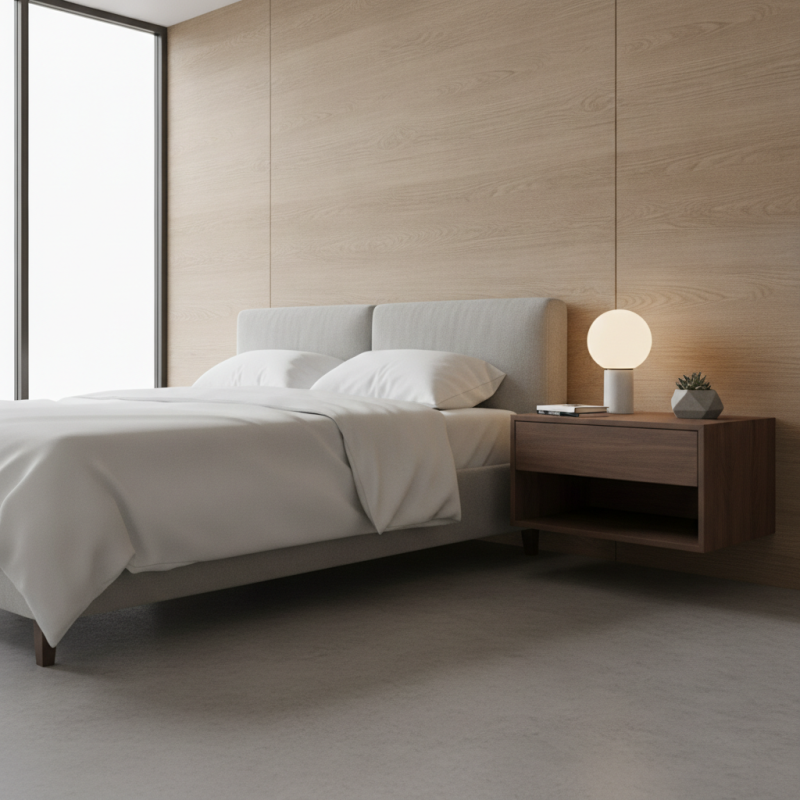
Floating nightstands offer a unique blend of style and functionality. They are mounted on the wall and give a modern, minimalist look to your space. This design choice can make a room feel larger by freeing up floor space. The absence of bulky furniture promotes a clean aesthetic, perfect for small bedrooms.
One notable benefit of floating nightstands is their versatility. They can be adjusted to different heights, making them suitable for various bed sizes. This adaptability allows for a more personalized setup. Additionally, they can incorporate storage solutions that keep your essentials organized and within reach. However, installation can be tricky. Proper wall support is crucial. Not everyone has the tools or expertise for this type of setup, and mistakes can lead to damage.
While these nightstands are visually appealing, their practicality depends on thoughtful selection. Consider your needs—do you require space for a lamp and books, or do you prefer a more streamlined design? Reflecting on your habits can guide you. Not every floating nightstand will fit your lifestyle, so weigh the pros and cons carefully.
Assessing Your Space: Dimensions and Style Considerations for Nightstands
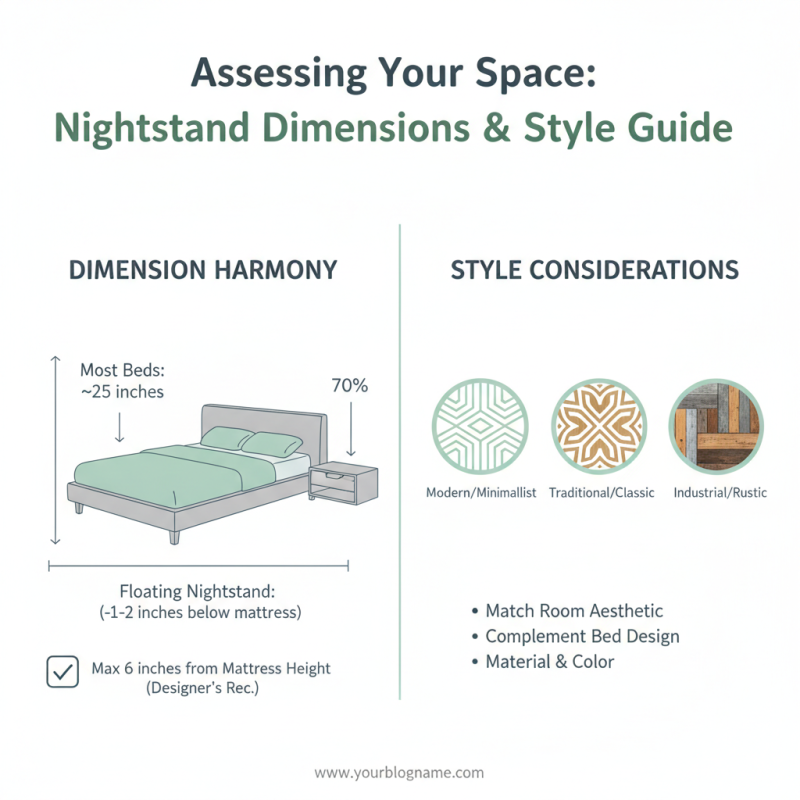
When selecting a floating nightstand, dimension and style are critical. The height of the nightstand should match your bed for functional harmony. Most standard beds are around 25 inches high, while floating nightstands generally sit 1-2 inches below. This creates an integrated look. According to the National Kitchen and Bath Association, around 70% of designers recommend keeping nightstands within six inches of the mattress height.
Consider the width of your space. If your bedroom is small, a narrower nightstand (12-15 inches) may work better. Wider spaces can accommodate broader designs, enhancing aesthetic appeal. Look for options that allow for storage, too. A recent study found that over 50% of homeowners value nightstands with drawers for clutter management.
Style is as important as size. Floating designs range from minimalist to ornate. You might reflect the room's overall theme. A sleek, modern design complements a contemporary space. On the contrary, rustic or vintage styles can enhance a cozy atmosphere. Be mindful of how materials and finishes interact with existing décor. Balancing these elements can feel overwhelming but ultimately leads to a cohesive look in your bedroom.
Materials and Designs: Choosing the Right Floating Nightstand for Your Decor
Choosing the right floating nightstand can enhance your decor significantly. Materials and designs play a crucial role in this choice. Wood, metal, and glass are popular options. Each material offers a distinct aesthetic and functionality. For a cozy feel, consider warm wood tones. If you prefer a modern touch, metal or glass can create a sleek look.
**Tips:** Pay attention to the finish. Matte and glossy finishes can dramatically change the room’s vibe. Reflect on your existing furniture; the nightstand should complement, not clash. Measure your space carefully to ensure the nightstand fits perfectly.
Design also matters. A minimalist design suits contemporary spaces. Ornate designs work well in traditional settings. Think about storage as well. Some nightstands offer drawers, while others have shelves. Balance style with practicality. This balance can sometimes be tricky. Don't hesitate to experiment with layouts before making a final decision.
Material Preference for Floating Nightstands
Storage Needs: Evaluating Functionality and Organization Options
Choosing the right floating nightstand is crucial. It influences both functionality and your room's aesthetics. When considering storage needs, first assess your items. For example, books, chargers, or personal belongings need a specific space.
According to a recent report from the National Association of Home Builders, 75% of homeowners prioritize storage efficiency in bedroom furniture. A floating nightstand can provide an ideal solution. Many designs feature shelves and drawers, maximizing vertical space. Still, not all designs accommodate larger items, which can lead to cluttered surfaces.
It’s also vital to think about your organizational habits. A nightstand with compartments can help. However, if items are out of sight, you may forget about them. The challenge lies in balancing visibility and storage efficiency. Some designs encourage minimalism, while others may invite chaos if not regularly sorted. Consider what works best for your lifestyle.
Installation Tips: Ensuring Proper Mounting and Stability for Floating Nightstands
When installing a floating nightstand, proper mounting is crucial. Start by selecting the right wall location. Ensure it's at a convenient height for access. Use a level to mark the points where you will mount the brackets. This helps avoid slanting, which can affect stability.
Drilling into the wall is the next step. Use an appropriate drill bit depending on your wall type. For drywall, anchors are often necessary. These provide extra support for heavier items. After drilling, secure the brackets firmly. Check for sturdiness by gently applying pressure once the nightstand is in place.
It's important to regularly check the stability of your nightstand. Over time, wall anchors may loosen. This can lead to an unstable structure, posing a risk of damage or injury. If you notice movement, consider rechecking your installation. Addressing small issues promptly can prevent larger problems in the future.
How to Choose the Best Floating Nightstand for Your Space? - Installation Tips: Ensuring Proper Mounting and Stability for Floating Nightstands
| Feature |
Description |
Importance |
| Material |
Choose durable materials like wood or metal for longevity. |
High |
| Weight Capacity |
Consider the load-bearing capability to prevent damage. |
Critical |
| Mounting System |
Secure installation systems such as brackets or cleats are necessary. |
Very High |
| Style |
The design should complement your room decor. |
Moderate |
| Size |
Ensure it fits well in your available space without crowding. |
High |
| Installation Difficulty |
Evaluate the complexity of mounting the nightstand. |
Important |