How to Choose the Best LED Lights for Your Entertainment Center?
Choosing the right LED lights for your entertainment center can enhance your viewing experience. The right lighting creates the perfect ambiance and complements your decor. LED lights are not only energy-efficient but also versatile for various setups.
When selecting LED lights for your entertainment center, consider color temperature and brightness. The visual appeal of your space depends on these factors. You might encounter challenges in achieving the desired effect. Some LED lights may not fit your existing design or technology.
Think about installation and compatibility with your devices. Not every LED light works seamlessly with your TV or sound system. If you overlook these aspects, it could lead to a less-than-ideal setup. Explore different options to find what suits your needs best. With careful consideration, your entertainment center can become a standout feature in your home.
Understanding the Different Types of LED Lights Available for Entertainment Centers
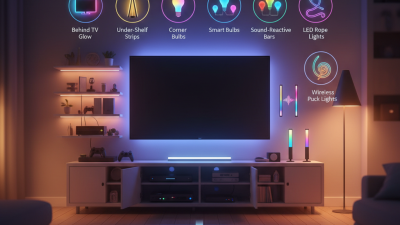
When selecting LED lights for your entertainment center, you'll find various options available. Consider RGB LED strips. They offer customizable colors to match your mood or the theme of your movie night. These strips are flexible, making them easy to install in different spaces. However, installation might require patience, as ensuring even placement can be tricky.
Panel lights are another excellent choice. They provide bright, even illumination and can enhance the aesthetic of your setup. Keep in mind, though, that they can be more challenging to mount. It’s essential to plan the placement carefully. You might need additional tools or help to get them up even and secure.
Lastly, smart LED bulbs can integrate with your home network. They allow remote control and scheduling for added convenience. On the downside, connectivity issues can arise, leading to frustration during use. Taking time to research and weigh each option will help you find the best fit for your entertainment center. Make sure to consider the lighting atmosphere you want to create before making a final decision.
Evaluating Brightness and Color Temperature for Optimal Viewing Experience
When selecting LED lights for an entertainment center, brightness and color temperature are key factors. Brightness, measured in lumens, significantly impacts viewing comfort. According to the American National Standards Institute (ANSI), a range of 200 to 800 lumens is ideal for a typical living room setting. Too much brightness can cause discomfort, while too little may not provide enough illumination for your space.
Color temperature, measured in Kelvin (K), affects the mood and ambiance of your entertainment area. Most experts recommend a color temperature between 2700K and 3000K for warm, inviting environments. Cooler temperatures, around 4000K to 5000K, enhance focus and energy, suitable for activities like gaming or reading. A too-cool light can feel harsh, diminishing the relaxing nature of movie nights.
Experimenting with different brightness levels and color temperatures can yield surprising results. It’s essential to adjust lighting based on the time of day or the type of activity. Inconsistent settings may lead to eye strain or reduce enjoyment. Regular evaluations can help you achieve an optimal viewing experience that suits your personal preference.
Assessing Energy Efficiency and Lifespan of LED Lights
When choosing LED lights for your entertainment center, energy efficiency and lifespan are crucial factors. Energy-efficient LED bulbs consume up to 75% less energy than traditional incandescent bulbs. The U.S. Department of Energy states that LED lights can last up to 50,000 hours. This means fewer replacements and lower energy bills in the long run.
However, not all LED lights are created equal. Some may have a shorter lifespan due to poor quality or overheating issues. It's essential to understand that excessive heat can shorten an LED's life. Therefore, look for lights with good heat-dissipation technology. Reports indicate that high-quality brands can maintain brightness for a longer period, while cheaper alternatives may dim significantly after a year of use.
Consider your space's lighting needs. The brightness level, measured in lumens, will also impact energy usage. Aim for LED lights with a higher lumens-per-watt ratio. This indicates better energy performance. While the upfront cost of quality LEDs may seem higher, their longevity and efficiency make them a wise investment. A well-lit entertainment center can improve your viewing experience, but choosing the right lights is key to achieving that goal.
Choosing the Right Design and Style to Match Your Entertainment Setup
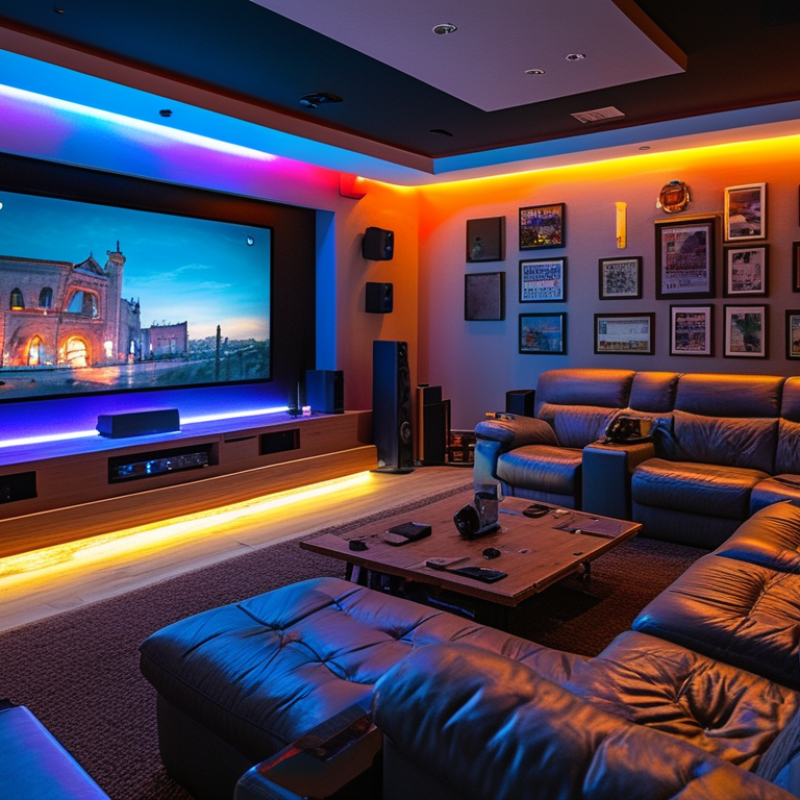
When selecting LED lights for your entertainment center, aesthetics play a crucial role. Consider the overall style of your setup. For a modern look, sleek, slim designs can blend seamlessly with minimalist decor. However, if your space features vintage or eclectic designs, you might want to explore retro-inspired options. The colors you choose matter too. Warm white light can create a cozy atmosphere, while cool white or colored lights add a dynamic touch.
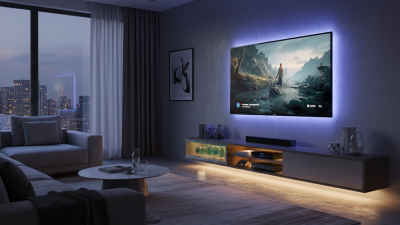
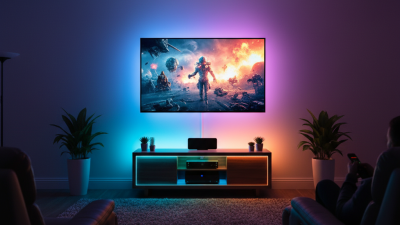
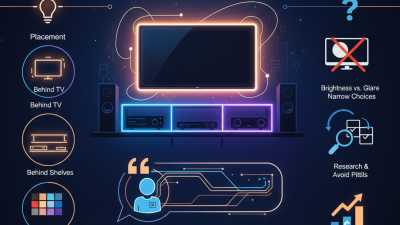
Pay attention to the placement of lights. Behind the TV, under shelves, or along the walls can create visual interest. You might find that the intensity of the light affects the ambiance. Dimmer options are ideal for flexibility, allowing you to switch from a vibrant game night to a relaxed movie evening easily.
Don't overlook the potential for experimenting with lighting effects. Sometimes, a slight contrast between lighting styles can produce unexpected results. Be prepared to adjust and rethink your choices during setup. The process may require some trial and error, and that's perfectly okay. Embrace imperfections as part of the journey in curating the perfect environment for your entertainment needs.
Installation Tips and Tricks for Perfectly Placing LED Lights in Your Space
When installing LED lights in your entertainment center, placement is crucial. Consider the height and angle of the lights. Wall-mounted LED strips can create an immersive atmosphere. According to industry reports, strategic placement can increase perceived brightness by up to 30%. This means that where you position your lighting truly matters.
Additionally, avoid positioning lights directly behind the screen. This can cause glare and disrupt your viewing experience. Instead, aim for indirect lighting. By using diffusers or covering the lights, you can soften the glow. It’s also important to assess your room's color scheme. Warm lighting pairs well with darker rooms, enhancing detail without overwhelming the senses.
Take note of your furniture layout as well. LED lights should complement the space, not clutter it. If your furniture creates shadows, reposition the lights to minimize these effects. Rethink areas that may need more light; sometimes, even small adjustments can yield significant results. Keep in mind that less is often more when it comes to LED installations. If you find your setup too bright, dimmable options might be worth considering.