How to Choose Living Room Furniture for Your Home?
Choosing the right Living Room Furniture is a significant decision for any homeowner. Research by the American Home Furnishings Alliance (AHFA) indicates that nearly 70% of Americans prioritize comfort and functionality when selecting furniture. It's essential to ensure that your choices fit your lifestyle and personal aesthetic.
The living room often serves as the heart of a home, where families gather and memories are made. Therefore, the quality and design of your Living Room Furniture can fundamentally impact your daily experiences. Opting for versatile pieces that adapt to various uses can enhance both utility and style.
However, finding the perfect balance between aesthetics and practicality can be challenging. Reports show that many consumers feel overwhelmed by the multitude of options available. This can lead to impulsive decisions that might not withstand the test of time. Reflecting on these choices is key to creating a cohesive and inviting space.
Understanding Your Living Room Space and Layout
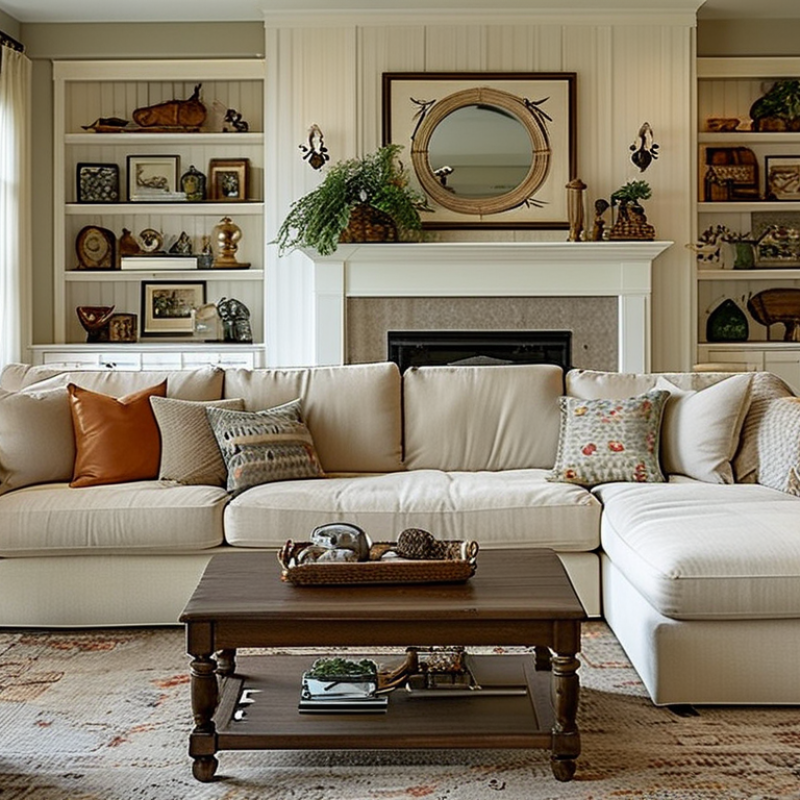
When selecting living room furniture, understanding your space and layout is essential. Many homeowners overlook the dimensions of their living areas, leading to overcrowded or under-furnished rooms. According to a report by the National Association of Home Builders, 72% of homeowners feel that a spacious living room enhances their overall living experience. Knowing the exact measurements of your space allows for better planning.
Considerations such as traffic flow are critical. A well-structured layout enables easy movement between furniture pieces. For example, a sofa placed too close to a coffee table can hinder movement. Research from the American Home Furnishings Alliance suggests that nearly 30% of homeowners report dissatisfaction with their living room flow. It's beneficial to create clear pathways. Using visual markers, like tape on the floor, can help you visualize your layout before making any purchases.
Choosing furniture that fits the scale of your room can prevent an imbalanced feel. A large sectional in a small room can make it feel cramped. Conversely, minimalistic pieces in a spacious room can make it feel empty. A survey by Houzz indicates that 40% of respondents wished they had thought more about scale when buying furniture. Think about how each piece interacts with the space around it. This reflection can lead to a more harmonious living environment.
Living Room Furniture Choices
Identifying Your Style and Aesthetic Preferences
Identifying your style and aesthetic preferences is crucial when choosing living room furniture. According to the American Society of Interior Designers, 90% of individuals feel that their home's design impacts their mood. Understanding your personal style can lead to happier and more comfortable living spaces.
Consider the themes that resonate with you, such as modern, minimalistic, or rustic. Each style reflects a different personality and impacts the way you feel within your space. For instance, a minimalistic design often emphasizes cleanliness and simplicity, while a rustic decor can bring warmth and nostalgia. It is beneficial to create a mood board to visualize your preferences.
Be mindful of how different elements, like color and texture, influence your choices. A report by the Color Marketing Group highlights that 40% of consumers select furniture based on color alone. This indicates the power of color in shaping your living environment. Finding the right balance between aesthetics and functionality can be challenging. Sometimes, you may feel drawn to styles that may not suit your space, requiring reflection on practicality versus visual appeal.
Choosing the Right Materials and Fabrics for Durability
When choosing furniture for your living room, the materials and fabrics significantly impact durability. According to industry reports, 70% of consumers prefer materials that are easy to maintain and withstand daily wear. Fabrics like leather and microfiber are popular for their stain resistance and longevity, while natural fibers, such as cotton and linen, offer comfort but may require more care.
Consider the environment of your living room. High-traffic areas may benefit from synthetic fabrics that resist fading and staining. For a cozy, elegant touch, natural materials work wonderfully. However, keep in mind that these can wear out faster if not treated properly. Reports show that nearly 40% of furniture returns are due to material dissatisfaction. This can reflect poor choice or understanding of fabric life cycles.
Tips: Always test fabric swatches in your space. Observe how they look at different times of day. Seek out companies that provide warranty information on fabrics, adding another layer of security. Understand your lifestyle too—if you have pets or children, opt for more durable options that can endure their energy without a second thought.
Selecting Functional Furniture for Comfort and Usability
When selecting furniture for your living room, comfort and usability should be top priorities. Think about how you use the space. If you entertain often, opt for seating that accommodates guests comfortably. Sofas should be inviting. Consider soft cushions that provide support without being too firm. A coffee table should be accessible for everyone. Its height and size must fit the seating arrangement well.
Storage is another functional aspect. Shelves and cabinets can blend style with usability. They should not only look good but also help keep your space organized. If you have children or pets, choose durable materials. Stains and scratches may require special attention, and some fabrics are easier to clean than others.
Lighting plays a crucial role too. Ensure that your living area is bright and welcoming. Floor lamps and side tables should facilitate easy access to light switches. Reflect on your lifestyle to make informed choices. Sometimes, the most beautiful piece isn't the most practical. Balance aesthetics with functionality for a harmonious living room.
Budgeting for Your Living Room Furniture Purchase
Setting a budget for living room furniture is crucial for making informed choices. According to a
2022 report from the American Home Furnishings Alliance,
approximately 56% of consumers typically spend between $1,000 to $4,000 on living room furniture.
This range can influence decisions about style and material, impacting overall aesthetics and functionality.
When budgeting, think about the essential pieces. A sofa, coffee table, and chairs are priorities.
Allocate about 40% of your budget to a quality sofa. Investing in sturdy frames and durable fabrics
can offer a long-lasting solution, even if the upfront cost appears high. Remember, it’s not just about
initial costs; ongoing comfort matters too.
Affordable options may tempt you, but explore which compromises are acceptable. For instance, opting for
synthetic materials can lower costs but might affect longevity and comfort. Prioritizing essentials ensures
wise spending, but be wary of overspending on trendy items that may quickly become outdated. Choosing
furniture wisely will lead to a cohesive and satisfying living space.