How to Choose the Perfect Minimalist Center Table for Your Home?
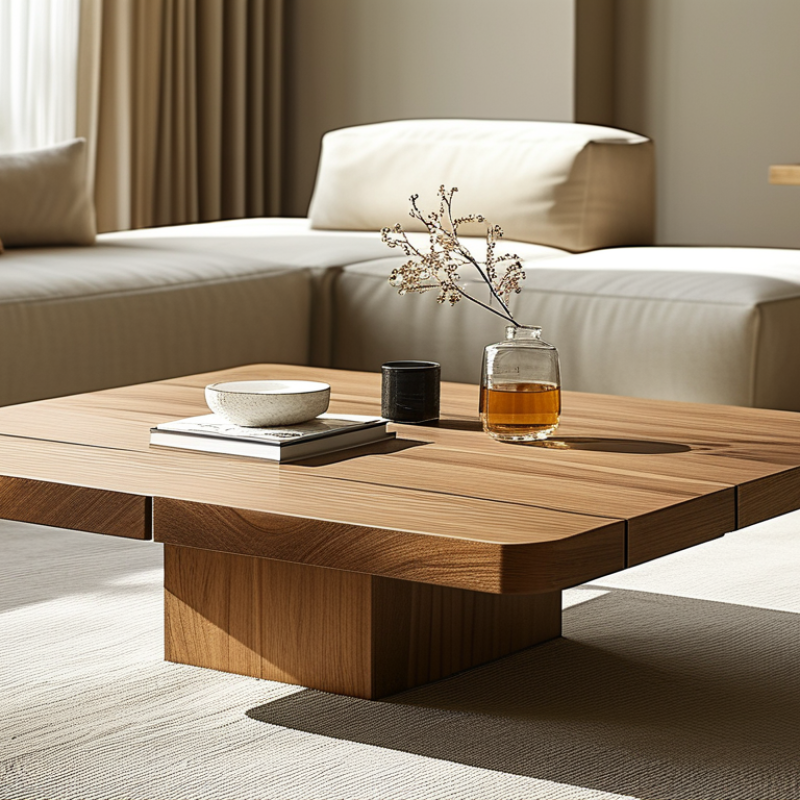
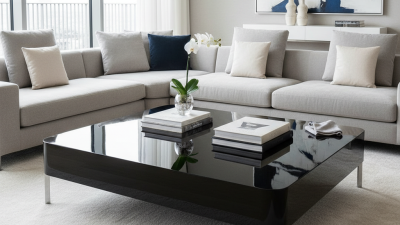
Choosing the right furniture can significantly affect your home’s ambiance. A **Minimalist Center Table** serves as a focal point in your living space. It embodies simplicity and elegance, drawing attention without overwhelming the room.
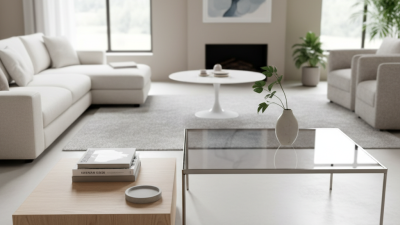
When selecting a Minimalist Center Table, consider the material and design. Wood, metal, or glass each offers unique characteristics. A wooden table can add warmth, while a glass table brings openness.
Take measurements of your space. A table that is too large can clutter your room. Conversely, a table that is too small may seem lost. Visualize how the table fits with your existing décor. It should enhance your style, not detract from it. Reflect on functionality, too. How often will you use it? Will it accommodate your needs? Think carefully about your choices. A Minimalist Center Table is more than just a piece of furniture—it shapes your living environment.
Understanding the Concept of Minimalism in Interior Design
Minimalism in interior design focuses on simplicity and functionality. It embraces clean lines and uncluttered spaces. The goal is to create harmony and serenity within your home. A minimalist center table plays a crucial role in achieving this aesthetic. It should serve a purpose while enhancing the overall look of the room.
When selecting a minimalist center table, consider its size and shape. It should match the scale of your seating area. A round table can create a softer feel. A rectangular table might suit a more modern look. Always think about how the table will blend with other furniture. It's not about having everything match perfectly. Some contrast can add character.
Tips for a successful choice include: prioritize quality materials over flashy designs. Natural wood or metal can elevate the space. Keep in mind your lifestyle. If you entertain often, a durable surface is essential. Also, remember that less is more. A single well-chosen table often suffices. Avoid overcrowding your space with too many accessories. Embrace the beauty of open areas. Reflect on what you truly need to make your space functional and inviting.
Key Features to Look for in a Minimalist Center Table
When selecting a minimalist center table, consider key features that enhance both functionality and aesthetics. A recent industry report noted that 78% of homeowners prefer tables that offer storage options while maintaining a sleek appearance. Look for designs that incorporate hidden compartments or shelving. These elements keep your space clutter-free while adding to the overall appeal.
Materials play a significant role in the choice as well. High-quality wood or metal frames contribute to durability while aligning with minimalist ideals. The International Furniture Report indicates that sustainable materials are increasingly favored, as 64% of consumers prioritize eco-friendly options. This not only benefits the environment but can provide your home with a unique touch.
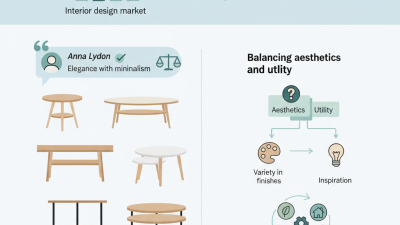
Color and size are also crucial aspects to reflect on. Neutral tones such as white, grey, or natural wood create a calm atmosphere. Additionally, the size should suit your living space without overwhelming it. Remember, a table that is too large can dominate a room, creating a discordant feeling. Take time to visualize how the table will fit into your space. Consider adjustable or expandable designs for versatility. Balancing form and function is the key to achieving that perfect minimalist look.
Materials and Finishes That Enhance Minimalist Aesthetics
When selecting a minimalist center table, the choice of materials and finishes can greatly impact the aesthetic. Natural materials like wood and stone have seen a resurgence. According to a report by the American Institute of Architects, over 70% of architects prioritize sustainability in design. This trend reflects consumer preference for eco-friendly furnishings. Tables made from reclaimed wood provide warmth, while natural stone lends an earthy elegance.
Metal accents can add an industrial touch, balancing softness with sleekness. Matte finishes are particularly popular. They resist fingerprints and smudges, maintaining a clean look. A study from Furniture Today revealed that 65% of consumers prefer matte over glossy finishes for their living spaces. However, it is essential to consider maintenance. While matte surfaces may hide imperfections well, they might require specific cleansers to avoid damage.
Color plays a crucial role, too. Neutral tones dominate minimalist spaces, but deeper hues can introduce unexpected depth. Some people may find that choosing over-saturated colors detracts from that serene atmosphere. Striking that balance can be challenging. Collectively, these factors play a vital role in enhancing your home’s minimalist aesthetic while inviting introspection into design choices.
Size and Proportions: Finding the Right Fit for Your Space
Choosing the right size and proportions for your minimalist center table is crucial. An oversized table can overwhelm a small living room, while a table that is too small can feel lost in a larger space.
Measure your room carefully. Use painter's tape to outline the table's footprint. This visual can aid in understanding how the size interacts with your existing furniture.
Consider the height of your center table. It should ideally be lower than your sofa’s seat height. A table that’s too high can disrupt the flow of the space.
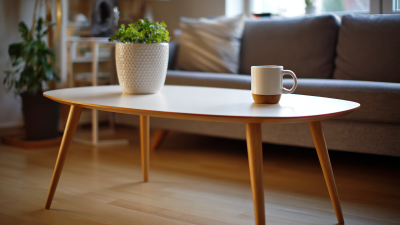
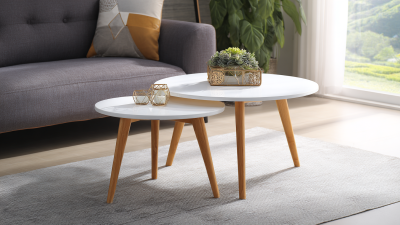
When it comes to shape, round tables can soften sharp corners in a rectangular room. On the other hand, a rectangular table can provide ample surface area for social gatherings.
Don't neglect the surrounding space. Leave enough room for movement. A general rule is to allow at least 18 inches between the table and seating. This distance helps prevent the feeling of congestion.
Be prepared to reconsider your choices, especially if your first selection feels too cramped or disconnected. Creating a cohesive look takes time and adjustments.
Complementary Decor: Styling Tips for Your Minimalist Center Table
When styling your minimalist center table, it’s essential to create a balance between form and function. A great approach is to use a few carefully selected decor items that harmonize with your space. Choose a striking centerpiece, like a sculptural vase or an artistic bowl. This draws the eye and sets the tone for your decor.
**Tips**: Keep it simple. Limit your items to three or four to avoid clutter. Use varying heights to add visual interest. A tall, slender candle holder paired with lower items creates depth. Remember, negative space is powerful in minimalist design. Allow your pieces to breathe.
Texture also plays a crucial role. Incorporate materials like wood, glass, or metal. This adds richness and keeps the design inviting. A soft woven throw can break the rigidity of hard surfaces. However, don’t overstuff the table. A busy table can feel overwhelming.
**Tips**: Review your choices frequently. Ask yourself if each item serves a purpose or brings joy. Sometimes, less is more. Don’t hesitate to rearrange items or swap them out seasonally. This adds freshness to your decor. Embrace imperfections; they can make your space feel more personal and inviting.
How to Choose the Perfect Minimalist Center Table for Your Home?
| Dimension |
Material |
Color |
Style |
Complementary Decor |
| 40" x 20" x 18" |
Wood |
Natural Oak |
Scandinavian |
White Cushions, Green Plants |
| 48" x 24" x 16" |
Glass |
Frosted White |
Modern |
Metallic Decor, Abstract Art |
| 36" x 36" x 12" |
Marble |
Black |
Industrial |
Leather Sofa, Clay Utensils |
| 30" x 15" x 18" |
Concrete |
Gray |
Urban |
Vases, Minimalist Books |