How to Choose the Perfect Tv Cabinet for Your Home?
Choosing the right TV cabinet can significantly enhance your living space. According to a recent report from the Furniture Industry Association, over 70% of homeowners prioritize functionality alongside aesthetics when selecting this essential piece of furniture. As expert designer Sarah Thompson stated, "A TV cabinet is not just a storage unit; it's a centerpiece that reflects your style."
The growing trend of customizing TV cabinets highlights the importance of understanding your home's layout and design. Homeowners often struggle with dimensions and styles that clash with their decor. Additionally, a poorly chosen TV cabinet can disrupt the visual flow of a room. Realistically, some buyers overlook the significance of quality materials, which may lead to frequent replacements.
Therefore, knowing your requirements and preferences is crucial. Selecting a TV cabinet requires thoughtful consideration of both purpose and style. The right choice can elevate your entertainment experience and overall home ambiance, making it both a practical and visual delight.
Understanding Your Space: Measuring for the Ideal TV Cabinet Size
When choosing a TV cabinet, measuring your space is crucial. Start by determining the dimensions of the area where you plan to place the cabinet. Height, width, and depth all matter. A cabinet that’s too large can overwhelm a small room. Conversely, one that is too small might look awkward or not provide the storage you need.
Consider your TV size and how it fits with the cabinet dimensions. Leave some breathing space around the TV for ventilation. It’s a common mistake to misjudge this. Sometimes, it feels right, but later you realize it doesn’t work. You should also account for any decorative elements you might want to include, such as books or plants. Properly balancing these elements creates an inviting atmosphere.
Lastly, think about the flow of the room. The cabinet shouldn’t obstruct pathways or doorways. Measure the surrounding furniture, too. This can help in achieving harmony in your design. It's easy to overlook small details. In the end, it’s all about finding the perfect fit for both functionality and aesthetics.
Choosing the Right Style: Traditional, Modern, or Minimalist Designs
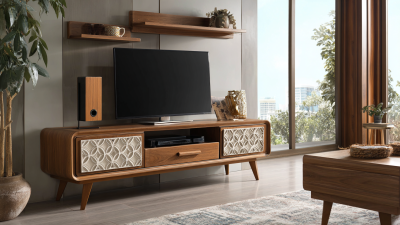
When choosing a TV cabinet, style is a crucial factor. Traditional designs often feature rich wood finishes and intricate carvings. These cabinets evoke a sense of warmth and nostalgia. However, they may not fit well in every modern space. If you have a contemporary home, opt for clean lines and sleek materials.
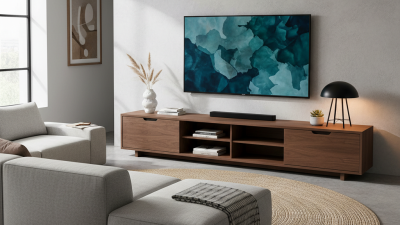
Modern designs typically use glass, metal, or composite materials. They are functional while offering a minimalist aesthetic. This style emphasizes simplicity and form, making your space feel open. Think about how your chosen cabinet interacts with your decor.
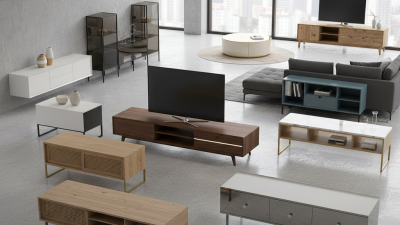
Tips: Match the cabinet color with your existing furniture. This will create a harmonious look. Also, consider the size. Too large a cabinet can overwhelm a room. A smaller piece may not provide enough storage. Reflect on how you use your space. Make sure the cabinet doesn’t compromise flow in your living area. Choose wisely!
Selecting Materials: Wood, Metal, or Glass for Durability and Aesthetics
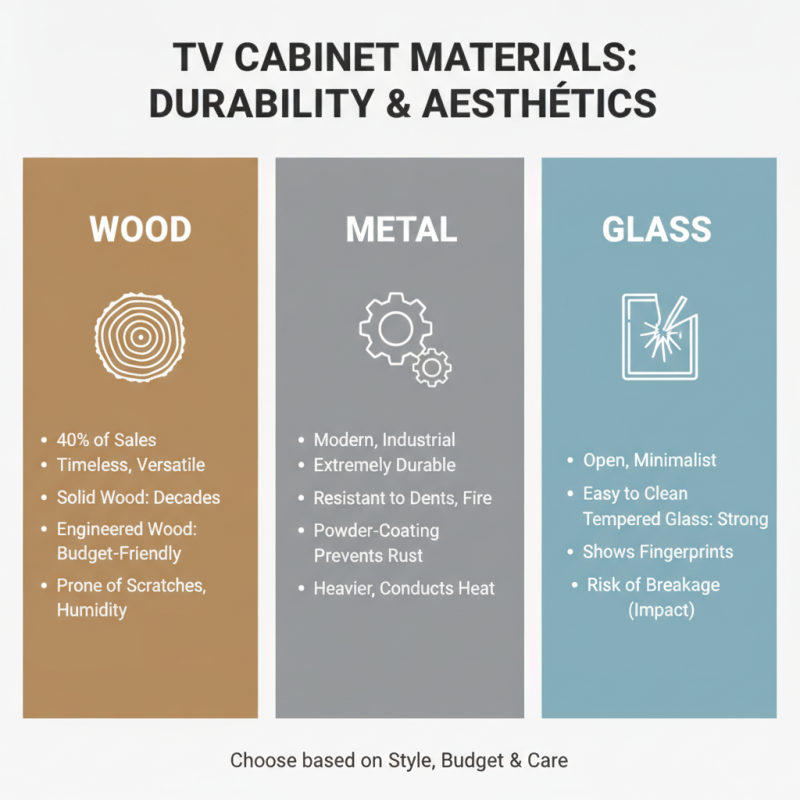
When selecting a TV cabinet, the choice of materials greatly impacts both durability and aesthetics. Wood, metal, and glass all offer distinct advantages and limitations. According to industry studies, wooden cabinets account for over 40% of TV furniture sales due to their timeless appeal and versatility. Solid wood can last decades with proper care, while engineered wood provides a budget-friendly alternative. However, wood may be susceptible to scratches and changes in humidity.
Metal cabinets are gaining popularity, especially in modern designs. They are robust and easy to clean, making them ideal for high-traffic areas. A report by the American Furniture Manufacturers Association indicates that metal furnishings are expected to rise by 20% in the coming years. Yet, some might find them cold and less inviting. Incorporating softer elements, like cushions or throws, can counteract this.
Glass offers a sleek, contemporary look. It reflects light and makes spaces feel more open. While tempered glass is strong, it can be heavy and challenging to move. Potential buyers should consider the balance between style and functionality. If choosing glass, ensure the design allows for privacy of items stored inside.
Tips: Always check for stability, regardless of material. Ensure it complements your existing decor. Consider storage options. Maximizing space can transform your living area.
Functional Features: Storage Solutions and Cable Management Options
When selecting a TV cabinet, storage solutions play a vital role. Think about your media needs. Do you have a vast collection of DVDs or gaming consoles? If so, a cabinet with ample shelving is ideal. Adjustable shelves can provide the flexibility to accommodate different items. A closed compartment can hide away clutter, ensuring your living space stays tidy.
Cable management is another important aspect to consider. A sleek design can get messy quickly with tangled wires. Look for cabinets with built-in cable management options. Holes at the back or designated areas to route cables make a huge difference. It enhances the overall appearance and preserves the cabinet's functionality.
Despite these features, it’s crucial to reflect on your choices. Sometimes, a beautiful design might lack proper storage. Or, a practical option could be less visually appealing. Balancing aesthetics and functionality is key. It might take time to find the perfect piece that meets both needs. Make a list, and don’t rush the decision.
Budgeting Wisely: Finding Quality TV Cabinets within Your Price Range
When it comes to selecting a TV cabinet, budgeting wisely is crucial. The right balance of quality and affordability makes for a functional piece of furniture. Recent industry reports indicate that the average price range for a decent TV cabinet is between $200 and $600. This data highlights the importance of shopping within that bracket to find a high-quality cabinet.
Many consumers often overlook the value of materials used. Solid wood cabinets tend to last longer than those made from particle board. In fact, a survey conducted by the Furniture Today publication states that 65% of buyers prefer solid wood options for enhanced durability. Choosing a cabinet that matches your aesthetic can elevate your space, but remember that cheaper materials may not stand the test of time.
Consider the dimensions and design as well. A cabinet that fits well in your space not only looks better but also enhances the viewing experience. Reports show that poor choice in cabinet size can lead to a messy layout, which might detract from the room’s overall appeal. Spending within your budget on the right dimensions is just as important as choosing quality materials. Always reflect on the long-term value rather than immediate savings.