What is a Floating Nightstand and How to Choose One?
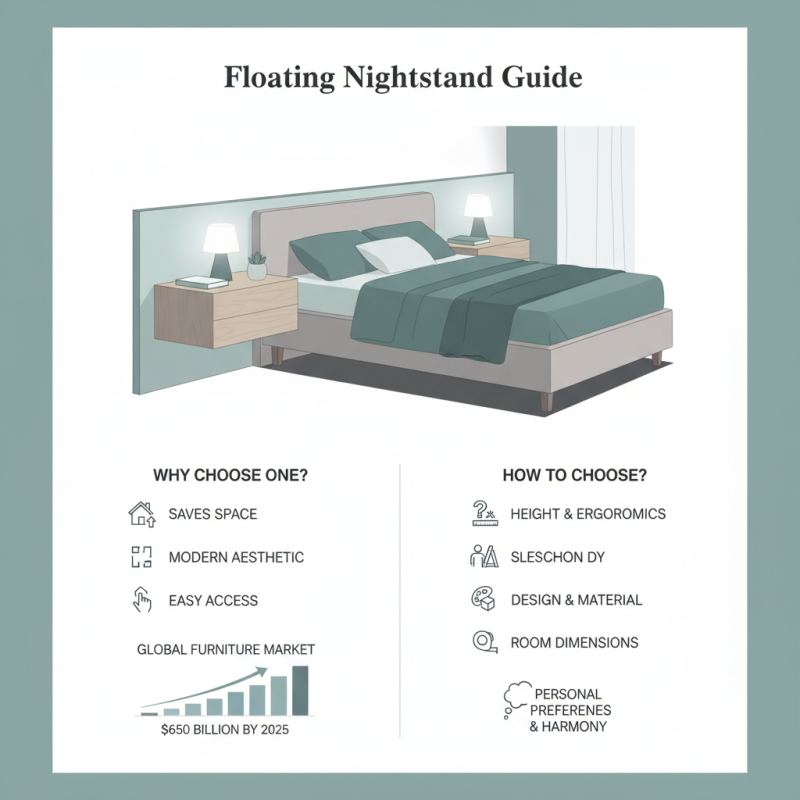
The Floating Nightstand has gained popularity in modern bedroom design. This stylish furniture piece not only saves floor space but also creates a sleek, clean aesthetic. According to a recent report by Statista, the global furniture market is projected to reach $650 billion by 2025. Within this market, floating nightstands are increasingly favored for their minimalist design.
Many homeowners appreciate the functionality of a Floating Nightstand. It offers easy access to essentials while keeping the space uncluttered. However, choosing the right one can be a challenge. Factors such as height, design, and material require careful consideration. A product that looks good may not always meet practical needs.
It's crucial to reflect on personal preferences and room dimensions. An ill-fitting nightstand could disrupt the harmony of a well-designed bedroom. This growing trend in floating furniture challenges traditional design norms. Many are drawn to innovation, yet there remains a need for thoughtful choices.
Definition and Characteristics of a Floating Nightstand
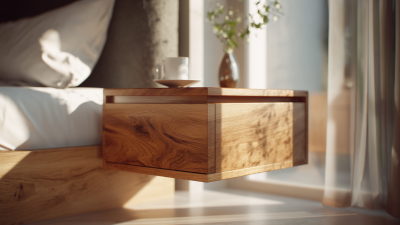
A floating nightstand is a modern furniture piece. It is mounted to the wall, creating a sense of space. Unlike traditional nightstands, it has no legs. This design allows for cleaning underneath easily. It works well in small bedrooms and adds a sleek look.
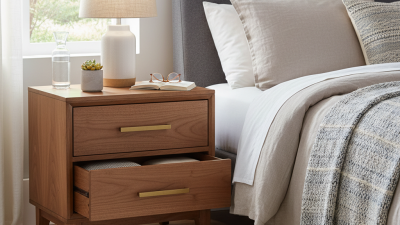
When choosing a floating nightstand, consider your style and needs. The material should match your bedroom decor. Wood offers warmth, while metal presents a more industrial feel. Think about functionality too. Some designs include drawers or shelves for storage.
Height is another crucial factor. It should align with your bed for easy access. However, if it’s too high or too low, it can disrupt the harmony of the room. Reflect on your preferences and the overall layout before making a decision. The perfect nightstand should be practical yet stylish, enhancing your space without overwhelming it.
Benefits of Using a Floating Nightstand in Home Decor
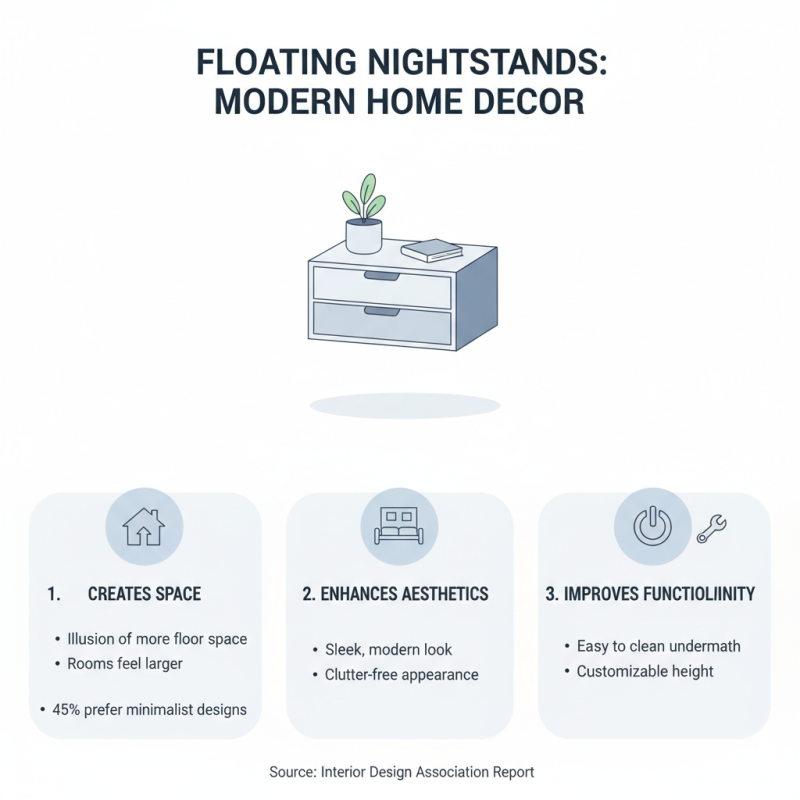
Floating nightstands have gained popularity in modern home decor. They offer unique benefits that enhance both aesthetics and functionality. According to a report by the Interior Design Association, around 45% of homeowners prefer minimalist designs that include floating furniture. This preference stems from the sense of space these designs create. A floating nightstand gives the illusion of more floor area, making rooms feel larger.
Moreover, floating nightstands can easily adapt to various interior styles. Whether your decor is contemporary or rustic, these nightstands can fit seamlessly. They can also be customized in terms of height and size, allowing homeowners to tailor them to their needs. A study by Home Decor Trends shows that 67% of people reported feeling more organized with floating furniture. Less clutter leads to a more serene environment.
However, there can be challenges in installation and sturdiness. Improper mounting could cause accidents, especially in tight spaces. Some may find they don't hold enough weight for larger items or decorative pieces. Reflecting on these factors, it's crucial to consider both practicality and style. Using a floating nightstand can elevate your space but requires careful thought.
Factors to Consider When Choosing a Floating Nightstand
When choosing a floating nightstand, several key factors should guide your decision. First, consider the room’s size. A floating nightstand needs to complement your space without overwhelming it. According to recent industry reports, 37% of consumers prefer designs that optimize space. This trend reflects the shift towards minimalist living, making it essential to choose a design proportional to your bedroom.
Material selection is another critical aspect. Common materials include wood, metal, and composite options. Each has its own aesthetic and durability traits. A wood nightstand may offer warmth and a classic look, while metal could lend a modern edge. However, some consumers report that synthetic materials, like MDF, can deteriorate faster than solid wood. Consider this trade-off carefully.
Height and accessibility also matter. The average height for a floating nightstand is about 24 inches, aligning with most mattress heights. However, not all designs give easy access to essentials like books or lamps. Be mindful of your routine. A poorly positioned nightstand can disrupt nighttime habits. It is vital to reflect on these factors to find the perfect floating nightstand for your needs.
Different Styles and Materials of Floating Nightstands
Floating nightstands have gained popularity due to their sleek design and space-saving features. They offer a modern aesthetic while maximizing floor space. When choosing one, consider the materials and styles available.
Wood remains a classic choice, adding warmth and texture to any bedroom. According to a recent report by the American Home Furnishings Alliance, about 42% of consumers prefer wooden furniture for its durability and timeless appeal. Metal, on the other hand, contributes a contemporary vibe. It’s often lightweight and easy to install, but some may find it less inviting than wood.
In addition to materials, style is crucial. Rustic designs can create a cozy environment, while minimalist styles emphasize simplicity and functionality. However, finding the right balance is tricky. Too plain may feel sterile, while overly ornate designs can overwhelm a space. The key is to complement your existing decor while reflecting personal taste. Choices should enhance the room, not detract from it.
Styles and Materials of Floating Nightstands
Installation Tips for a Floating Nightstand in Your Bedroom
Installing a floating nightstand can elevate your bedroom’s style. Start by gathering all necessary tools. Typically, you'll need a level, a drill, and wall anchors. Measure the height you desire for your nightstand. It should be easily accessible from your bed. Mark the wall with a pencil. Ensure it's straight – even a slight tilt will be noticeable.
Next, locate the wall studs. Using wall anchors can support more weight, especially if your nightstand will hold books or lamps. Drill holes according to your marks, and be careful not to damage the wall. Once your floating shelf is secure, consider what you will place on it. Avoid overcrowding the space. A lamp, a small plant, and a book can create a calming atmosphere.
Remember, it’s easy to forget about the aesthetics during installation. The height and alignment can look off when you step back. Fight the temptation to rush. After installation, spend time viewing the nightstand from different angles. Make adjustments if necessary. A well-placed floating nightstand can enhance your room, both functionally and visually.
What is a Floating Nightstand and How to Choose One? - Installation Tips for a Floating Nightstand in Your Bedroom
| Feature |
Description |
Considerations |
| Design |
Minimalist and modern aesthetics that save floor space. |
Ensure it complements the bedroom decor. |
| Materials |
Commonly made from wood, metal, or glass. |
Consider durability and maintenance requirements. |
| Size |
Available in various sizes to fit your space. |
Measure available space and desired height from the bed. |
| Storage |
Some designs include drawers or shelves for storage. |
Evaluate what items you need to store. |
| Installation |
Typically involves wall mounting and requires tools. |
Ensure the wall can support the weight; consider hiring a professional. |
| Price Range |
Prices vary widely based on materials and design. |
Set a budget before starting your search. |