2026 How to Choose Led Lights for Your Entertainment Center?
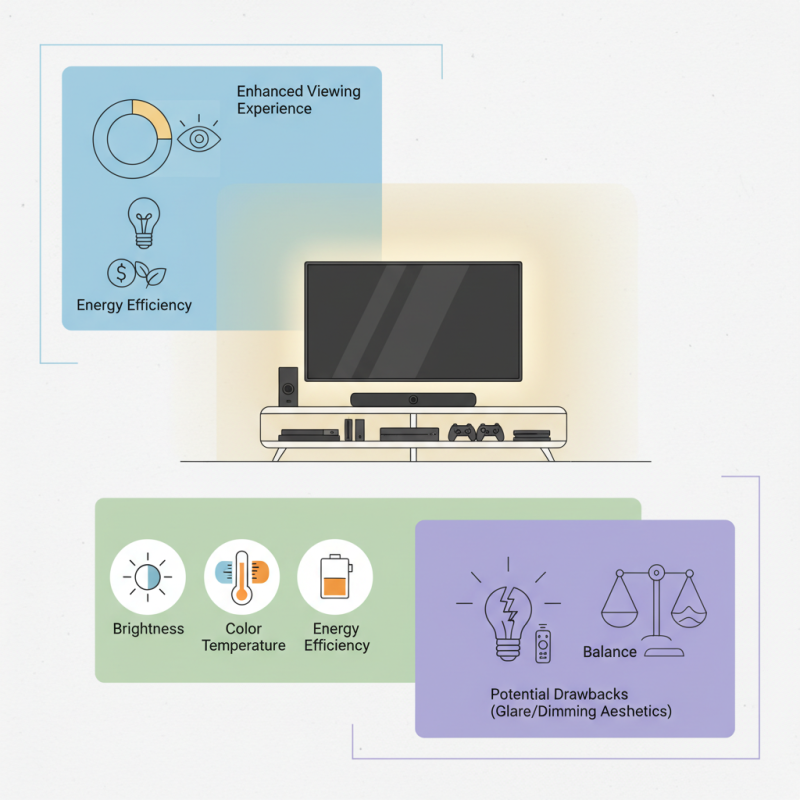
Choosing the right LED lights for your entertainment center can greatly enhance your viewing experience. In a recent industry report, 75% of consumers emphasized the importance of lighting in their home theaters. The right LED lights can create an immersive atmosphere, improving both visual quality and comfort.
When selecting LED lights for your entertainment center, consider factors like brightness, color temperature, and energy efficiency. The U.S. Department of Energy states that LED lights use up to 75% less energy than traditional bulbs. This not only lowers your energy bill but also benefits the environment.
However, many overlook the potential drawbacks of certain LED lights. Some may struggle with dimming capabilities or emit harsh glares. It’s crucial to find products that strike a balance between usability and aesthetics. By making informed choices about LED lights for your entertainment center, you can achieve both functionality and style in your home entertainment setup.
Understanding LED Lighting Types for Entertainment Centers
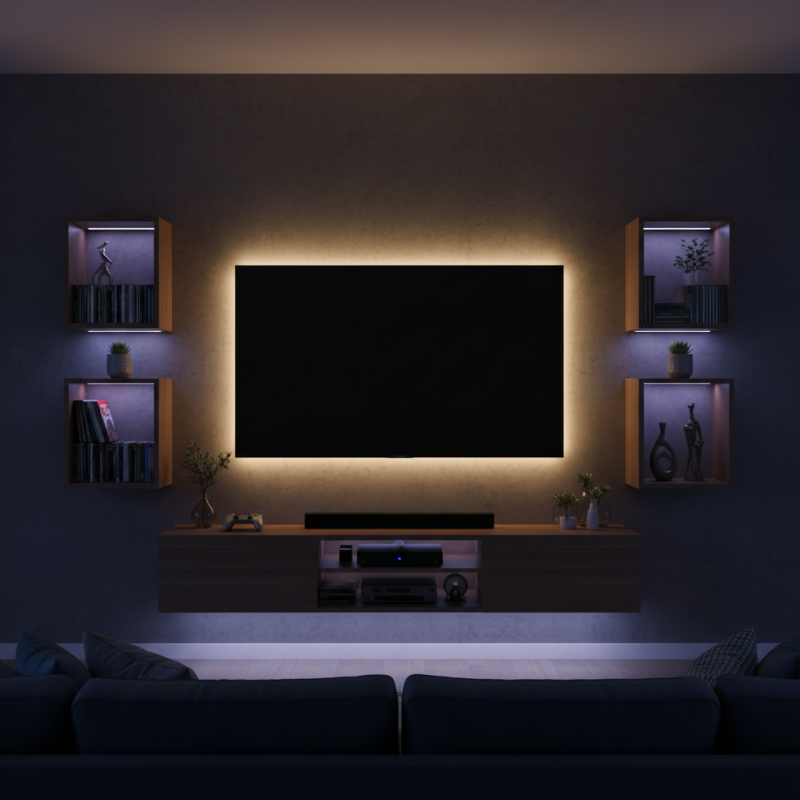
When setting up an entertainment center, choosing the right LED lights is crucial. Different types of LED lights serve various purposes. For example, strip lights are popular for backlighting, creating a pleasant ambiance. They can be installed behind shelves or around screens. According to the U.S. Department of Energy, LED lighting can reduce energy consumption by up to 75% compared to traditional lighting. This is an excellent reason to make the switch.
Consider the color temperature of LED lights. Warmer tones (around 2700K) are cozy for movie nights, while cooler tones (5000K and above) are better for gaming and workspaces. You want the right vibe for your activities. High-quality LEDs can last up to 50,000 hours, but cheaper options might not deliver this longevity. It's important to invest wisely.
Tip: Look for dimmable LED options. This flexibility in brightness can enhance your viewing experience. Remember, not all LEDs are created equal. Some may flicker or have poor color rendering. Research and read reviews before purchasing. Trust your instincts if a product feels off. It's your space, and it should reflect your style.
Assessing Brightness and Color Temperature for Optimal Viewing
When choosing LED lights for your entertainment center,
brightness and color temperature are essential. Brightness is measured in lumens.
Higher lumens mean a brighter light. However, too much brightness
can wash out colors. Aim for a balanced lumens output to create a comfortable viewing environment.
Color temperature plays a significant role in setting the mood. It is measured in Kelvin.
Lower Kelvin (2700K-3000K) gives a warm glow. This is great for
relaxing evenings. Higher Kelvin (4000K-6500K) creates a cooler, more vibrant light. It energizes the space
but can be harsh. Finding a middle ground can be tricky.
Tips: Test different settings. Adjust until it feels right.
Consider using dimmers for flexibility. Experimenting with lighting can lead to unexpected results.
You might discover a temperature you love. Lighting should enhance your experience,
not complicate it. Always reflect on what works best for your space and mood.
Evaluating Energy Efficiency Ratings of LED Lights for Cost Savings
When choosing LED lights for your entertainment center, energy efficiency is crucial. According to the U.S. Department of Energy, LED lights use at least 75% less energy than traditional incandescent bulbs. This translates to significant cost savings over time, especially for high-use areas like home theaters.
Evaluating energy efficiency ratings can seem daunting. Look for the Energy Star label. This certification ensures that the lights meet strict energy efficiency guidelines. Data from the Lighting Research Center suggests that similar LED fixtures can differ in efficiency. Therefore, comparing lumens per watt can be beneficial. A light with a higher lumen output and lower wattage is usually a better choice.
However, not all LED products are created equal. Some may have lower upfront costs but can lead to higher electricity bills. Understanding the annual energy consumption and lifespan of each option is necessary. Remember that while initial expenses may vary, long-term savings make a significant difference. Investing time in research could ensure worthwhile choices.
2026 How to Choose LED Lights for Your Entertainment Center?
| LED Light Type |
Wattage |
Lumen Output |
Energy Efficiency Rating |
Estimated Annual Cost |
| Warm White LED |
10W |
800 lm |
A+ |
$1.20 |
| Cool White LED |
12W |
1000 lm |
A++ |
$1.44 |
| RGB LED |
15W |
1200 lm |
A+ |
$1.80 |
| Smart LED |
8W |
850 lm |
A++ |
$1.05 |
| Dimmable LED |
9W |
700 lm |
A+ |
$1.10 |
Choosing Dimming Options and Smart Features for Enhanced Control
When selecting LED lights for your entertainment center, dimming options and smart features play a crucial role. According to a recent industry report, around 68% of consumers prefer lighting that can be adjusted to create the right atmosphere. Dimming not only enhances the viewing experience but also saves energy. A simple reduction in brightness can result in a 30% decrease in energy consumption. This translates to lower utility bills over time.
Smart features are becoming increasingly popular. Up to 45% of new lighting devices now come with smart technology. This allows you to control the lights via smartphone apps or voice commands. Imagine dimming the lights without leaving your seat. However, a lot of systems can be complex and frustrating. Users often struggle with connectivity issues or setting up schedules. It’s essential to choose systems that offer seamless integration with existing devices.
Customization is key to enhancing your entertainment experience. The right LED lights can change a room's ambiance significantly. Look for options that let you choose colors easily and adjust them according to the content you’re viewing. Despite these benefits, many consumers still overlook the importance of these features, often focusing solely on brightness. Rethinking your lighting choices can lead to a more enjoyable and immersive experience.
Designing a Lighting Layout that Complements Your Entertainment Space
Creating an inviting entertainment center requires thoughtful lighting. The right lights can enhance the overall atmosphere. Consider the colors and brightness levels that suit your mood. Use warm whites for a cozy feel or vibrant colors for excitement. A mix can create contrast and fun.
Placement is crucial. Position LED strips behind your TV or shelves for a soft glow. This reduces glare while adding depth. Experiment with different setups. Sometimes, lights can overpower the room. Watch out for harsh shadows that create discomfort. Test the lighting at various times of the day to see how it changes.
Dimmable lights offer flexibility. They allow you to adjust brightness based on the activity. Game nights may need bright, energetic lighting. Movie time often calls for a relaxed ambiance. Don't shy away from creating layers with multiple light sources. Reflect on your choices regularly. What works now may not fit later. Keep evolving your space to match your changing tastes.
Choosing LED Lights for Your Entertainment Center
This chart illustrates the different types of LED lights and their benefits for enhancing your entertainment space. The data shows the percentage of users who prefer each type of lighting.