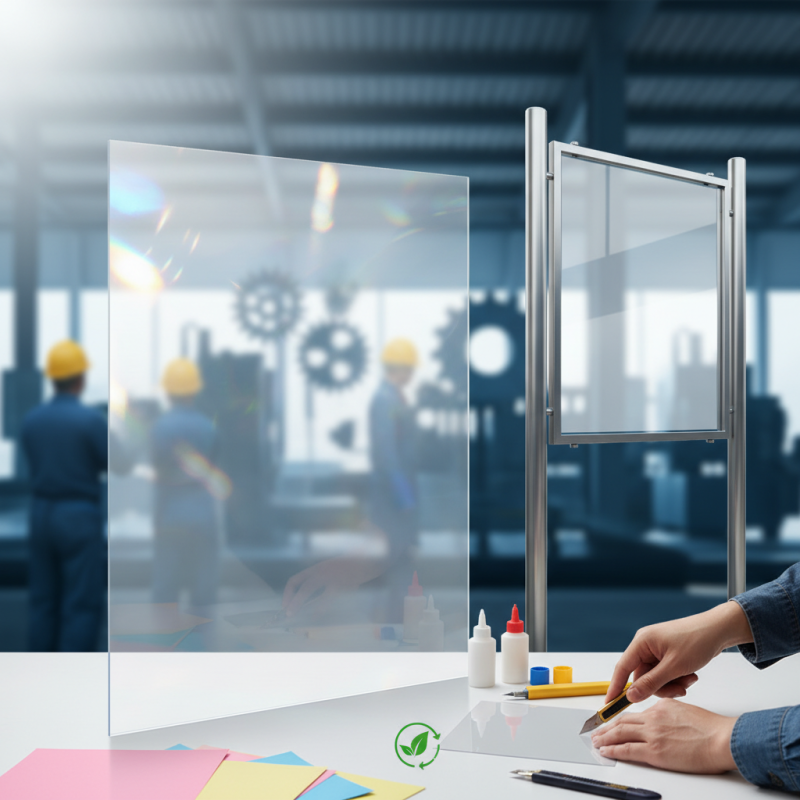
What is PVC Clear Sheet and its Uses?
PVC Clear Sheet is a versatile material with numerous applications. Made from polyvinyl chloride, it offers durability and clarity. Many industries utilize this product for various purposes. Its lightweight nature makes it easy to handle and install.
In signage and displays, PVC Clear Sheet provides excellent visibility. It is often used to produce protective covers and panels. This material is also popular in crafting and DIY projects. However, using PVC requires careful consideration of environmental impacts. Some may overlook these factors.
Overall, PVC Clear Sheet is a practical option. It combines functionality and aesthetics. Yet, responsible usage is essential to ensure sustainability. Balancing benefits and drawbacks can lead to better choices.
What is PVC Clear Sheet? A Comprehensive Overview
PVC clear sheets are versatile materials made from polyvinyl chloride. They are widely recognized for their clarity and durability. This product is lightweight, yet strong, making it suitable for various applications. These sheets can be found in thick and thin options, allowing users to select based on their needs.
In construction, PVC clear sheets are often used as barriers or partitions. Their transparency provides a modern look while allowing light to pass through. In the signage industry, these sheets serve as an excellent medium for displays. They protect printed materials from UV rays and moisture. However, some users may encounter issues with scratching and yellowing over time.
In home improvement, many choose PVC clear sheets for protective covers over furniture. They help to prevent scratches and stains. Nonetheless, these sheets may not always adhere well to curved surfaces. This can be frustrating for DIY projects. Additionally, while they are easy to clean, harsh chemicals can damage the surface. It's essential to consider this when selecting cleaning agents.
Chemical Composition and Properties of PVC Clear Sheet
PVC clear sheets are versatile materials commonly used across various industries. Their chemical composition is primarily polyvinyl chloride (PVC), a synthetic polymer that offers clarity and durability. These sheets are produced through a polymerization process, resulting in a product that can withstand different environments.
In terms of properties, PVC clear sheets have a specific gravity of about 1.4, making them lightweight yet strong. They exhibit excellent resistance to chemicals, UV light, and weathering, which is crucial for outdoor applications. A report from the American Chemistry Council indicates that PVC usage in construction is increasing at a rate of roughly 4% annually. This growth can be attributed to PVC's ability to meet rigorous performance standards while being cost-effective.
However, there are challenges. While PVC is highly functional, it can become brittle over time, especially when exposed to extreme temperatures. Some manufacturers have begun exploring alternative materials to enhance flexibility and longevity. Ongoing research is essential to address these issues, ensuring that PVC continues to meet industry demands effectively.
Common Manufacturing Processes for PVC Clear Sheets
PVC clear sheets are versatile materials widely used in various industries. Their manufacturing processes play a vital role in determining the quality and applications of these sheets. Commonly, they are produced through extrusion, casting, or calendaring methods. Each process has distinct characteristics that impact the final product.
Extrusion involves melting PVC pellets and forcing them through a mold to shape the sheet. This method allows for continuous production, making it efficient for large-scale applications. Casting, on the other hand, involves pouring liquid PVC into a mold. It provides high-quality sheets with excellent clarity, though it may be slower compared to extrusion. The calendaring process flattens PVC between rollers, creating uniform thickness. This method is useful for producing flexible sheets.
Despite their advantages, each manufacturing method has limitations. Extrusion can lead to inconsistencies in thickness, affecting the sheet's strength. Casting requires careful temperature control, as improper conditions may result in defects. Meanwhile, calendaring might not achieve the same optical clarity as casting. Understanding these nuances is essential for choosing the right process for specific applications.
Applications of PVC Clear Sheets in Various Industries
PVC clear sheets are versatile materials widely used across various industries. Their transparency, strength, and durability make them ideal for many applications. In construction, these sheets serve as protective barriers, allowing light while shielding from the elements. They can also be used in signage, providing clear visibility for advertisements or directions.
In the packaging industry, PVC clear sheets are popular for creating sealed containers and displays. They keep products safe while showcasing them effectively. Restaurants often use these sheets for menus, making them easy to clean.
Tip: When using PVC clear sheets in your projects, consider the thickness. Thicker sheets provide more durability but may be harder to cut.
Art and crafts also benefit from these sheets. Artists often use them for layering and protecting their work. They can create custom projects, including frames and displays.
Tip: Test different adhesives on PVC to find the best bond. Not all adhesives work effectively on plastic surfaces.
Exploring the potential of PVC clear sheets reveals many possibilities across industries. However, always assess the environmental impact of your projects. Choosing sustainable options can greatly enhance your design's responsibility while maintaining its effectiveness.
Market Trends and Future Prospects for PVC Clear Sheet Usage
The market for PVC clear sheets is on the rise. Their versatility makes them popular in various industries. From packaging to construction, their applications are vast. Many businesses are adopting these materials for display purposes. The appeal comes from their transparency and durability. They can withstand harsh environments, making them a practical choice.
Tips: When considering PVC sheets, assess your specific needs. Think about the weight and thickness you require. This will help you choose the right material for your project.
As industries evolve, the demand for PVC clear sheets will likely grow. Innovations in production may enhance the properties of these sheets. This could lead to even more applications. However, some businesses still underestimate the importance of proper disposal. This is a critical aspect that requires attention.
Tips: Always check for recycling options available in your area. It’s crucial to be responsible. Educate your team about disposal methods to avoid environmental harm. Understanding the lifecycle of PVC products can lead to smarter choices.
Market Trends for PVC Clear Sheet Usage (2023)
The above bar chart illustrates the various application areas for PVC clear sheets in 2023. The construction sector utilizes the most PVC clear sheet, followed by automotive and packaging industries. This trend reflects a growing demand for versatile and durable materials in multiple sectors.