2026 Top Coffee Table Styles You Must Have at Home?
In recent years, coffee tables have become essential furniture pieces in modern homes. The National Furniture Association reported that the coffee table market is projected to grow by 5.6% annually. This trend highlights how important these tables are for both functionality and style.
Designers now focus on creating coffee tables that are not just practical but also serve as statement pieces. The variety of styles available, from minimalist to bohemian, allows homeowners to express their personality. However, many still overlook the significance of choosing a coffee table that complements their living space. Choosing poorly can disrupt the flow of the room.
Moreover, many consumers seek eco-friendly materials. The sustainable furniture market is gaining traction, with consumers becoming more conscious of their choices. It’s essential to reflect on what style resonates with personal values. As coffee tables evolve in the design world, they challenge our perceptions of traditional furniture. Each choice reflects not just a preference, but a lifestyle.
2026 Coffee Table Trends: An Overview of Popular Styles
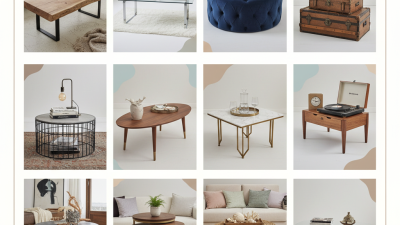
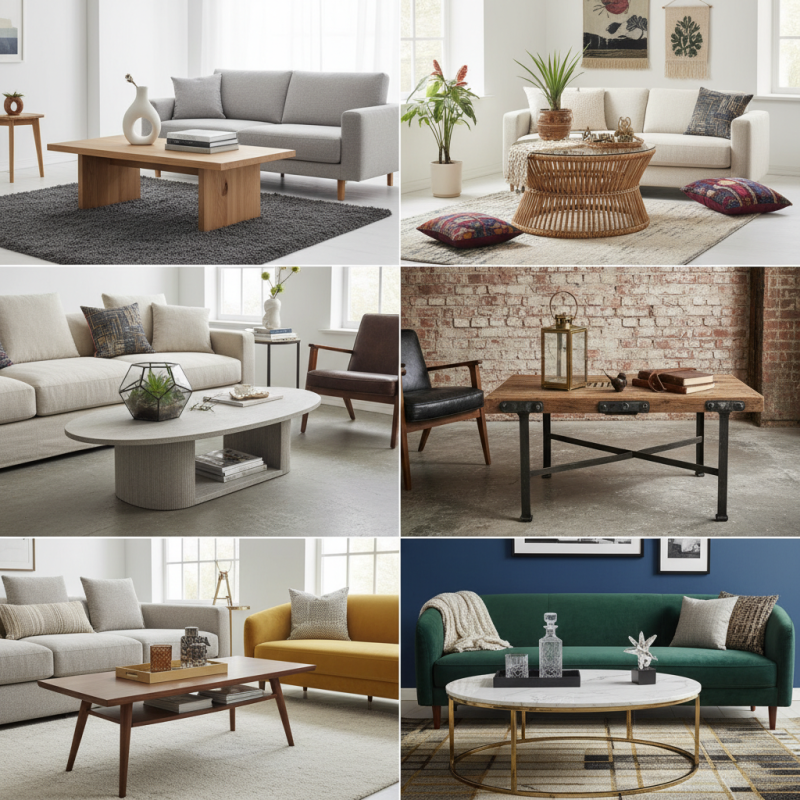
In 2026, coffee table styles are evolving to reflect both functionality and aesthetic appeal. Minimalist designs are gaining traction. Reports indicate that about 70% of consumers prefer furniture that emphasizes clean lines and simplicity. Materials like glass and metal are popular. They create an airy feel in living spaces.
Natural elements are also trending. Wood tables, especially those with a raw finish, appeal to many homeowners. A survey revealed that nearly 60% of people value sustainability in furniture choices. Coffee tables made from reclaimed wood are prominent and provide an eco-friendly option. These designs often tell a story, adding character to the home.
Color trends are shifting as well. Rich, earthy tones dominate current styles. Deep greens, burnt oranges, and warm browns are growing in popularity. Consumers report that these colors help create a cozy atmosphere. Yet, many struggle with integrating bold colors into their existing decor. Finding the right balance can be challenging. It may lead to a need for reconsideration in design decisions. The ideal table harmonizes with the entire living area while standing out as a centerpiece.
2026 Top Coffee Table Styles You Must Have at Home
| Style |
Material |
Color |
Shape |
Size (Length x Width) |
| Mid-Century Modern |
Wood |
Teak |
Rectangular |
48" x 24" |
| Industrial |
Metal & Wood |
Black & Brown |
Square |
36" x 36" |
| Scandinavian |
Plywood |
Light Oak |
Round |
40" Diameter |
| Contemporary |
Glass & Metal |
Clear |
Abstract |
42" x 22" |
| Farmhouse |
Reclaimed Wood |
White & Brown |
Rectangular |
60" x 30" |
Essential Features of Modern Coffee Tables: Functionality and Design
Modern coffee tables are more than just functional pieces. They play a critical role in home design. Recent studies show that over 70% of homeowners prioritize aesthetics when selecting coffee tables. This trend highlights the need for a blend of style and utility.
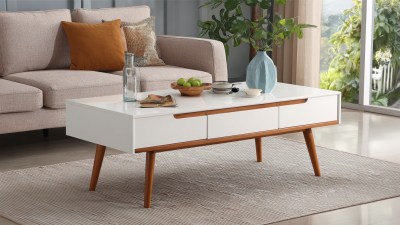
Key features of modern coffee tables include versatility and storage options. Multi-functional tables serve as both décor and storage. Many tables now come with shelves or drawers. This allows for a clutter-free living space. In fact, a report by the Furniture Manufacturers Association noted that functional designs increased consumer satisfaction by 35%. People desire tables that enhance their living areas without sacrificing space.
However, not all designs are universally suitable. The wrong coffee table can disrupt the room's flow. For instance, oversized tables in small spaces can hinder movement. Designers advocate for balance and scale when choosing a coffee table. As trends evolve, consumers must reflect on their needs and preferences. Striking the right balance between function and design is essential for a harmonious home.
Top Materials for Coffee Tables in 2026: Wood, Metal, and Glass Choices
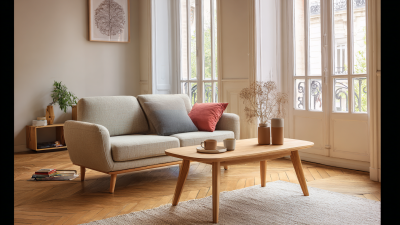
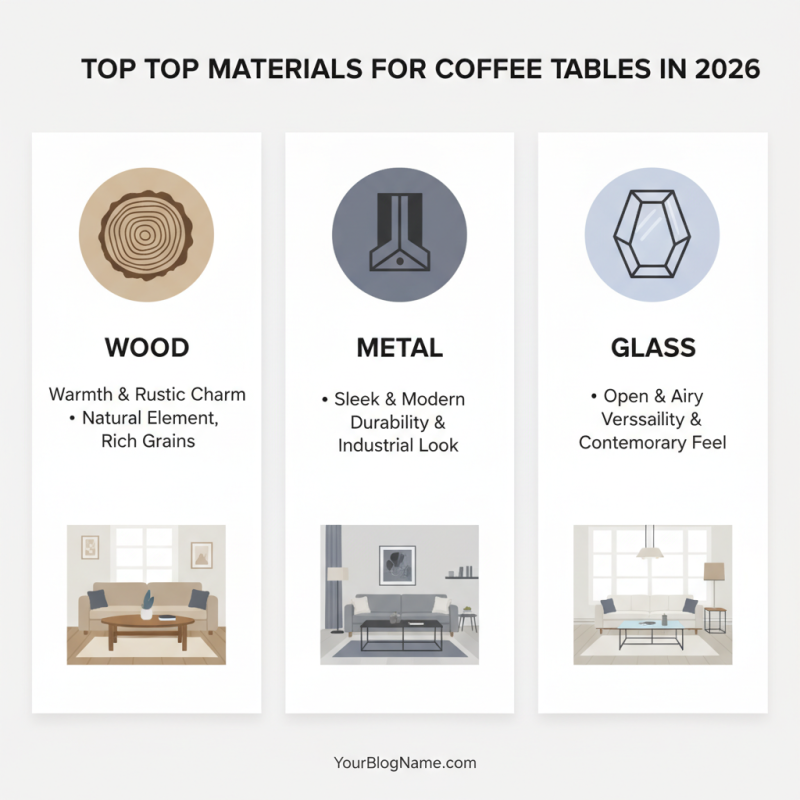
As we approach 2026, coffee table styles evolve with an emphasis on materials like wood, metal, and glass. Each material brings unique qualities to your living space. Wood, for instance, offers warmth and a rustic charm. It introduces a natural element, suitable for cozy interiors. Rich grains and finishes enhance its character, while imperfections can highlight authenticity.
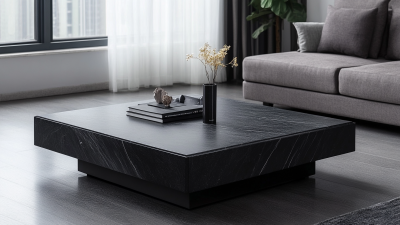
Metal is another popular choice. It's sleek, modern, and incredibly durable. Metal tables can come in various finishes, such as matte or chrome. They are perfect for an industrial look or minimalistic designs. However, they can feel cold without soft accents. Balancing metal with textiles or natural elements can create harmony.
Glass tables provide a sense of openness. They reflect light and make smaller spaces feel bigger. However, they require more maintenance and care to avoid smudges. A glass top can be paired with wooden or metal bases, blending different styles. The key lies in thoughtful combination—challenges arise when trying to match materials and colors. Embracing these imperfections can lead to a more personalized and inviting home.
Color Palettes for Coffee Tables: Matching with Your Home Decor
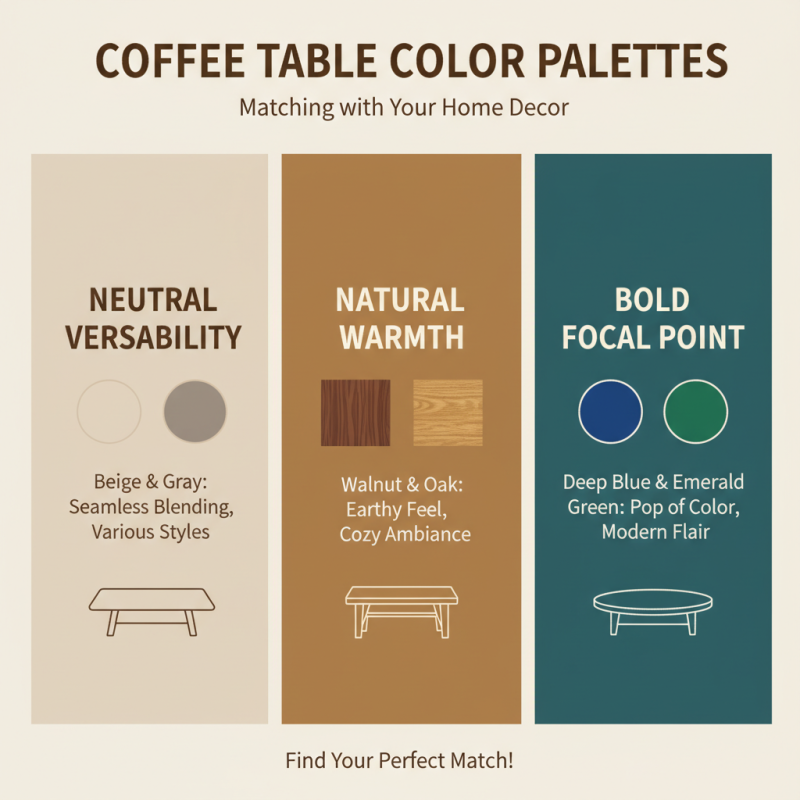
When choosing a coffee table, color plays a pivotal role in enhancing your home decor. Neutral shades like beige and gray offer versatility, blending seamlessly with various styles. A walnut or oak finish brings warmth and a touch of nature indoors. If your space has vibrant accents, a bold coffee table in deep blue or emerald green can serve as a stunning focal point.
Consider the atmosphere you want to create. Soft pastels create a calming effect, ideal for a serene environment. In contrast, darker colors can evoke sophistication but may require careful pairing. A lighter rug beneath a dark table can soften the contrast. Accents like coasters and decorative bowls can further unify the color scheme, creating a cohesive look.
Reflect on your existing decor. Often, it’s easy to overlook how colors influence the overall feel of a room. Experiment with color swatches or fabric samples next to your coffee table choice. This step can lead to surprising discoveries about what truly resonates in your space. Don’t hesitate to mix and match until the perfect balance is achieved.
Tips for Choosing the Perfect Coffee Table Size and Shape for Your Space
Choosing the ideal coffee table involves thoughtful consideration of size and shape. The table should harmonize with your living space. Measure the area carefully before making a decision. Ensure there is enough room for movement, ideally 18 inches between the table and surrounding furniture.
Think about the table's shape. Rectangular tables suit longer spaces, while round or oval tables provide softer lines, fitting snugly in smaller rooms. A square table can also work well in cozy environments. Consider your seating arrangement; a larger table may anchor the space. It can also bring balance if your sofa is long and low.
Height matters too. Ideally, your coffee table should be similar in height to your couch cushions. This creates a visually appealing and functional setup. Reflect on your lifestyle. If you often entertain, opt for a sturdier design. If sipping coffee while reading is your daily ritual, softer materials might be more suitable. Finding that perfect blend can be a journey of trial and reflection.
2026 Top Coffee Table Styles You Must Have at Home