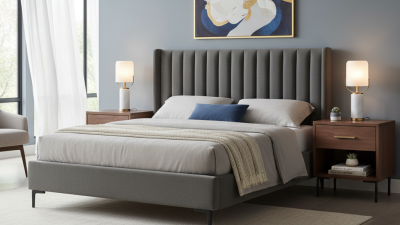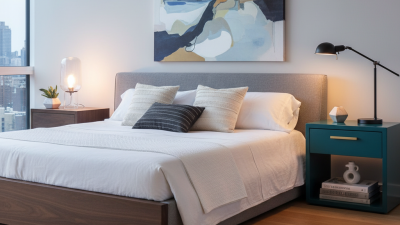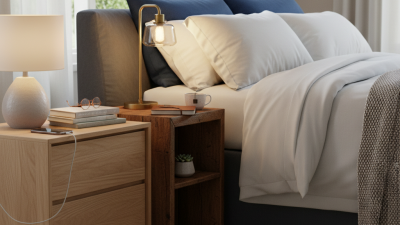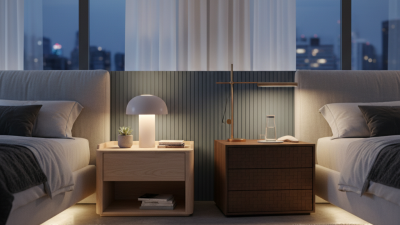
Choosing the right Night Stand Side Tables can change how a bedroom feels and functions. A well-designed table keeps a reading lamp, phone, glasses, and water within easy reach. It can also prevent clutter from spreading across the bed or floor. Yet appearance alone is not enough.
Interior designer Nate Berkus offers a useful principle: “Your home should tell the story of who you are, and be a collection of what you love.” That idea applies to bedside furniture. The best table should match your habits, not only your wall color. Measure the space beside the bed before shopping. Leave enough room for drawers to open fully. A table around mattress height usually feels comfortable, but personal preference matters.
Materials also deserve attention. Solid wood may provide warmth and durability, while metal and glass can create a lighter visual effect. Check drawer movement, edge finishing, weight, and surface stability. A narrow table may suit a small apartment, but it could lack useful storage. Some designs look elegant online and feel surprisingly unstable in person.
This guide examines popular Night Stand Side Tables by size, construction, storage, style, and practical value. It considers real bedroom conditions, including limited outlets, uneven floors, and late-night lighting. No single model fits everyone. That is the honest part. Your best choice depends on your room, routine, and tolerance for clutter.
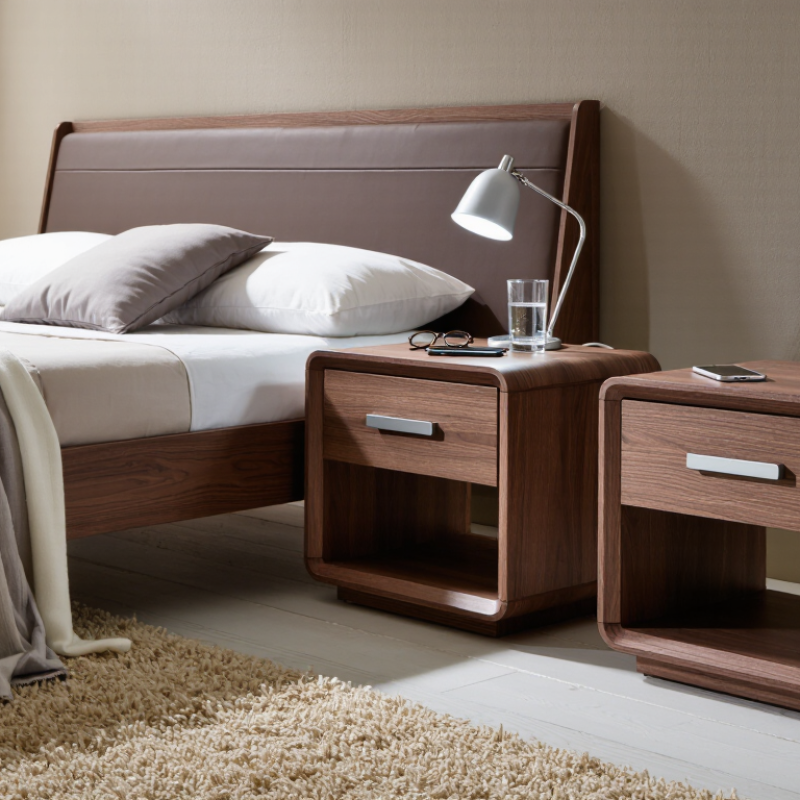
A drawer nightstand suits bedrooms that need hidden storage. It keeps glasses, medication, cables, and reading notes away from dust. Choose smooth runners and a solid frame for daily use. A cabinet style offers more space, but its door needs room to open. Measure the bedside gap before buying.
Open-shelf tables feel lighter and keep books within easy reach. They work well beside narrow beds or in smaller rooms. However, exposed items can collect dust and make the room look untidy. A floating nightstand attaches to the wall and leaves floor space underneath. It needs secure installation and a wall that can support its weight.
“ Nesting tables provide flexible surfaces for a lamp, water glass, and phone. A C-shaped table can slide partly under the bed, which helps during late-night reading. Look for a stable base, rounded edges, and a height close to the mattress. Wood feels warm, while metal and glass create a cleaner appearance. I once chose a beautiful table with no cable opening, and charging became inconvenient. That detail changed my buying checklist. Check surface depth, because a small lamp can easily crowd the tabletop. A slightly imperfect finish may feel more personal, but weak joints should never be ignored.
Choosing the right nightstand begins with measuring the bed, not browsing attractive furniture. In my room-planning experience, a table within two inches of the mattress top feels easiest to use. You can reach a lamp, book, or glass without lifting your shoulder. Too low, and the tabletop disappears beside thick bedding. Too high, and it crowds your sightline. Measure from the floor to the mattress surface, then compare the table’s actual height.
Width and depth should match both your routine and available floor space. A compact room may need a table 18 to 24 inches wide and 14 to 18 inches deep. Larger bedrooms can handle wider side tables with drawers or cabinets. Keep enough clearance for drawers to open fully. Leave a comfortable walking path beside the bed. Test it with the bed made, including pillows and blankets.
Small details matter. Check whether the tabletop can hold a lamp, phone, water glass, and nighttime medication safely. Open shelves provide quick access, while drawers hide visual clutter. I once selected a stylish table with a deep drawer, but its handle caught on nearby bedding. It looked balanced, yet daily use felt awkward. That mistake changed my approach. Tape the table’s footprint on the floor for one evening before buying. Your room may reveal more than a product photograph.
Choose a nightstand width that fits the available wall space while keeping the tabletop practical for a lamp, phone, and small personal items. The chart compares nominal U.S. mattress widths with common nightstand width planning ranges. For comfortable reach and visual balance, the nightstand surface is generally best kept within about 2 inches (5 cm) of the top of the mattress.
Mattress widths are nominal U.S. size dimensions. Nightstand widths are practical furniture-planning ranges rather than fixed industry standards. Measurements are shown in inches.
What Are the Top Night Stand Side Tables?
Best Materials and Designs for Different Bedroom Styles
The best night stand depends on your bedroom’s materials, space, and daily habits. I have found that solid wood suits warm, traditional rooms especially well. Its visible grain adds comfort beside cotton bedding and woven lamps. However, wood can show water rings without regular care. A small tray helps protect the surface.
Metal side tables create a sharper look in industrial or modern bedrooms. Black steel pairs well with concrete textures, while brushed metal reflects soft bedside lighting. Glass makes a small room feel more open, but fingerprints appear quickly. Stone offers a calm, lasting finish, although it may feel cold beside delicate fabrics. Sometimes, appearance wins over comfort. That choice deserves reconsideration.
Tips: Measure the space beside your bed before buying. Leave enough room to open drawers comfortably. Choose a table slightly level with your mattress for easier reach. For minimalist rooms, select one drawer and a hidden shelf. In coastal bedrooms, pale wood and rattan bring a lighter mood. In colorful rooms, a painted table can add character without overwhelming the walls.
Look for stable construction, smooth edges, and drawers that glide quietly. A night stand should hold a lamp, a book, and a glass of water. That is practical. Open shelving looks attractive, but it collects dust faster than expected. Consider your cleaning routine before choosing the design.
Choosing a nightstand is less about decoration than removing friction from bedtime. Storage should match the objects you reach for in darkness. Measure them.
A drawer protects glasses, medication, and charging cables from dust and visual clutter. An open shelf keeps books accessible, but it can look untidy quickly. For many bedrooms, one shallow drawer and one lower shelf provide a practical balance.
The surface should hold a lamp, phone, and water glass without crowding. I prefer rounded edges and a recessed handle. Small details matter at 2 a.m.
A built-in cable opening can prevent cords from sliding behind the table. However, cable holes are not always neatly finished. Check the edges by hand.
Safety deserves equal attention. The U.S. Consumer Product Safety Commission’s Furniture Tip-Over Report estimated more than 20,000 emergency-department injuries annually from furniture tip-overs during 2018–2020.
A narrow, tall table may need wall anchoring, especially in homes with children. Choose a stable base, substantial back panel, and hardware rated for the furniture’s weight.
The American Academy of Sleep Medicine recommends keeping electronic distractions away from the sleep environment, so concealed charging can support better habits. Yet technology storage can become technology exposure. That contradiction is easy to miss.
The Global Wellness Institute’s 2024 Sleep Economy Monitor valued the global sleep economy at about 585 billion dollars, showing how seriously consumers treat sleep-related products. Still, a nightstand should serve real routines, not market trends. A durable finish, smooth drawer motion, and cleanable surfaces often matter more than decorative features.
Choosing the top nightstand depends less on appearance than on bedtime habits. A compact drawer table suits readers who hide glasses, medicines, and charging cables. Enclosed storage keeps dust away, but the drawer needs smooth clearance beside the bed. An open shelf feels lighter and gives quick access to books or water. However, visible clutter can make a small bedroom feel untidy. A narrow pedestal works well in tight spaces. I have found it stable only when its base is wide enough.
For shared bedrooms, compare surface width, height, and weight before choosing. The tabletop should sit close to mattress height, usually within a few inches. This prevents awkward reaching in the dark. A heavier table resists bumps, while a lighter one is easier to move during cleaning. Families may prefer rounded corners and a sealed finish. Readers with limited mobility may need a larger surface and open access. Built-in charging ports are convenient, yet they can become outdated. A basic table with a replaceable cable may prove more dependable.
Tips: Measure the gap beside your bed first. Place a lamp, book, and water glass on the intended surface. Check for wobbling before purchase. Inspect the joints and drawer movement carefully. Do not trust appearance alone. I once chose a beautiful, narrow table that tipped too easily. That mistake changed my priorities. Reliable support matters more than a perfect finish.
| Nightstand Option | Typical Dimensions (W × D × H) |
Storage Format | Common Materials | Assembly | Best For | Main Advantage | Potential Limitation |
|---|---|---|---|---|---|---|---|
| Compact One-Drawer Table | 16–22 × 14–18 × 22–28 in | One drawer and an open top surface | Engineered wood, solid wood, or metal hardware | Usually partial assembly | Small bedrooms and apartments | Balances a small footprint with concealed storage | Limited room for books, electronics, or larger personal items |
| Two-Drawer Nightstand | 20–28 × 16–20 × 24–30 in | Two stacked drawers | Solid wood, wood veneer, engineered wood, or metal | Partial assembly is common | People who need organized bedside storage | Separates frequently used items from less-used belongings | Takes up more floor space and may be heavier to move |
| Open-Shelf Bedside Table | 16–24 × 14–18 × 20–28 in | One or two open shelves | Wood, engineered wood, metal, or mixed materials | Often simple assembly | Readers and anyone wanting quick access | Easy access to books, chargers, and everyday items | Open storage collects dust and offers less visual concealment |
| Charging Nightstand | 18–26 × 15–20 × 24–30 in | Drawer, shelf, and integrated charging area | Engineered wood, wood veneer, metal, and plastic components | Requires furniture assembly and power connection | Phone, tablet, and smartwatch users | Keeps charging ports and cables within reach | Electrical components can become outdated or require replacement |
| Floating Wall-Mounted Table | 16–24 × 10–16 × 8–18 in | Small shelf, compartment, or drawer | Solid wood, plywood, engineered wood, or metal | Wall installation required | Narrow rooms and easy floor cleaning | Saves floor space and can be installed at a precise height | Requires suitable wall anchoring and has limited weight capacity |
| Bedside Cabinet with Door | 20–28 × 16–21 × 24–30 in | Enclosed cabinet, sometimes with an adjustable shelf | Wood, engineered wood, rattan, or metal | Usually partial assembly | A tidy, concealed bedroom aesthetic | Hides larger or irregularly shaped items | Items inside are less visible and may be harder to reach quickly |
| Slim C-Shaped Side Table | 12–18 × 12–18 × 22–28 in | Open tabletop, sometimes with a lower shelf | Steel, aluminum, engineered wood, or laminate | Generally easy assembly | Beds with minimal clearance and flexible layouts | Can slide close to the bed and is easy to reposition | Usually provides little or no concealed storage |
| Nesting Side Tables | Largest table: 18–24 × 14–18 × 22–28 in | Open tabletops, typically two or three tables | Wood, metal, glass, or combinations of these materials | Often minimal assembly | Guest rooms and flexible multifunctional spaces | Provides extra surfaces when separated and saves space when nested | Usually lacks drawers and may be less stable when fully extended |
Dimensions are typical ranges for commonly sold bedside tables. Actual size, weight capacity, materials, and assembly requirements vary by design.