Leave Your Message

What Is a Coffee Table and How Is It Used?

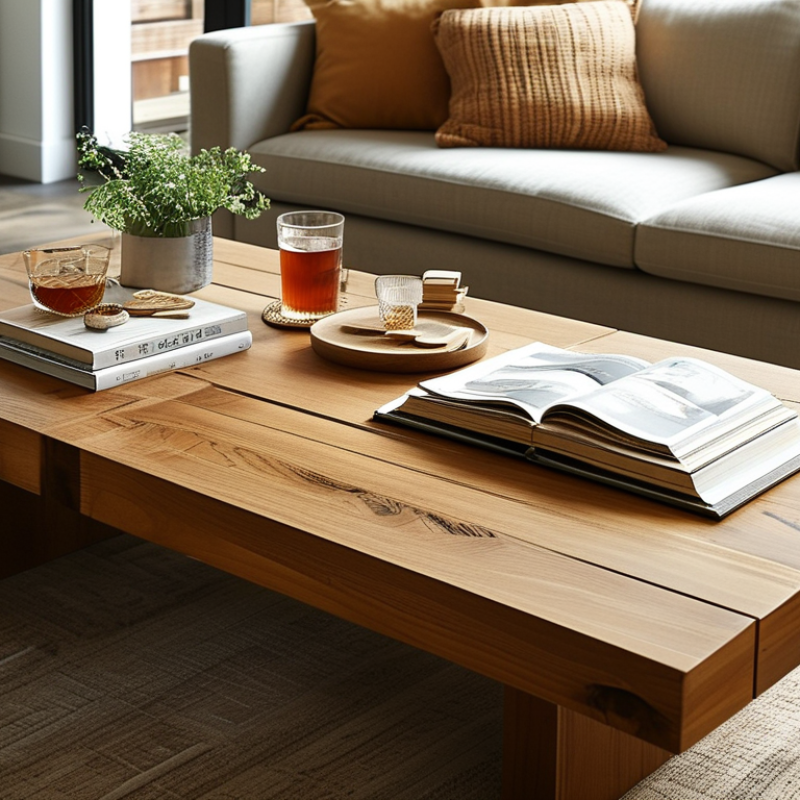
A Coffee Table is more than a low surface placed before a sofa. It anchors the seating area, supports daily routines, and shapes how people move through a room. Books, remote controls, drinks, and small objects often gather there. Its height also matters. A practical table usually sits close to sofa-seat level, allowing comfortable reach without blocking conversation.

Industry data confirms that this small product belongs to a substantial furniture category. Grand View Research reports continued growth in the global home furniture market, supported by urban living, renovation, and changing household preferences. The Business Research Company also identifies online retail and compact furniture as important market influences. These trends explain why Coffee Table designs now include lift-top, nesting, storage, and adjustable models. The data is useful, but it does not tell the whole story. A table can sell well and still feel awkward in a real home.

Interior designer Nate Berkus offers a helpful design principle: “Your home should rise up to greet you.” Applied to a Coffee Table, that means choosing a piece that welcomes use rather than merely filling space. Consider the room’s walking path, sofa scale, surface texture, and cleaning needs. Rounded edges may suit busy households. A lower profile may protect sightlines. Storage can reduce clutter, although it can also become a hiding place for unnecessary objects. The best choice depends on lived experience, not photographs alone. Sometimes, the most attractive table is simply too large. That is worth admitting.
What Is a Coffee Table and How Is It Used?

Definition and Core Features of a Coffee Table

What Is a Coffee Table and How Is It Used?

Definition and Core Features of a Coffee Table

A coffee table is a low, central table placed near seating in a living room. It supports everyday activities without blocking conversation or movement. People use it for drinks, books, remote controls, snacks, and small decorative objects. Its position matters as much as its appearance. A table that sits too far away becomes inconvenient. One that sits too close can make walking uncomfortable.

The core features include a practical height, a stable base, and a durable surface. In many rooms, the tabletop stands slightly below the seat cushions. This arrangement allows comfortable reach from a sofa or chair. Clearance around the table also deserves attention. About 35 to 45 centimeters can provide useful legroom, although room size changes the ideal distance. Rounded corners may reduce sharp contact in busy homes. Smooth, sealed surfaces are easier to clean after spills.

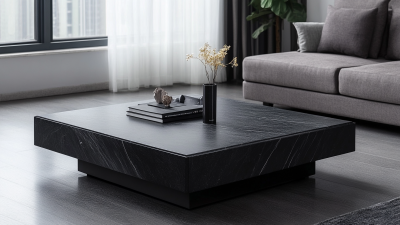
Shape and storage affect how the table works. A rectangular design can match a long sofa, while a round table may improve movement in compact spaces. Shelves or drawers hold magazines and chargers, but they can also collect clutter. A heavy table feels secure, yet moving it becomes difficult during cleaning. I have found that visual balance is easy to overestimate. Marking the floor with tape first can reveal awkward spacing before purchase. This small test is imperfect, but it often prevents an expensive mistake.
Historical Development and Changing Design Styles

A coffee table is a low table placed near seating areas. Its height keeps drinks, books, and remote controls within easy reach. Today, it also helps define the room’s visual balance. However, its familiar form was not always standard. Earlier homes often used small tea tables, side tables, or movable stands instead.

During the 18th and 19th centuries, tables served several purposes. People used them for tea, writing, games, and displaying decorative objects. Some designs included folding legs or adjustable surfaces. These features suited rooms that changed function throughout the day. By the early 20th century, lower tables became more common around sofas. This shift reflected relaxed seating habits and less formal domestic life.

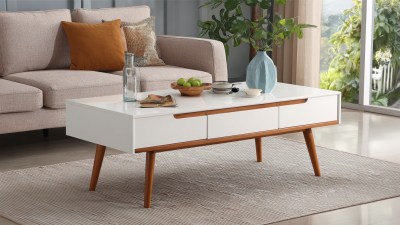
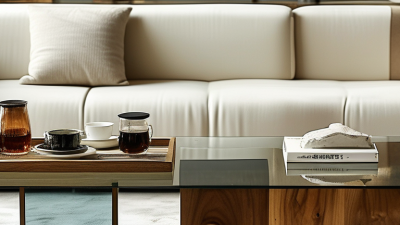
Design styles continued to change with architecture and household routines. Mid-century interiors favored clean lines, wooden frames, and simple geometric shapes. Later periods introduced glass tops, metal structures, storage shelves, and softer organic forms. Today, coffee tables may be round, nesting, modular, or built from recycled materials. In practice, a useful table needs stable legs, safe edges, and enough surface space. A beautiful design can still feel awkward when it blocks movement. I have also found that excessive storage creates visual clutter. The best choice depends on daily habits, room size, and the objects people actually use.

Common Types, Shapes, Materials, and Sizes

What Is a Coffee Table and How Is It Used?

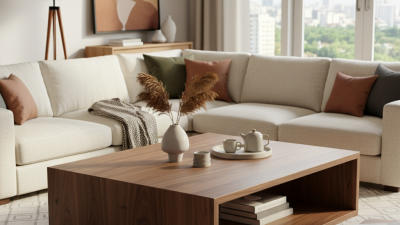
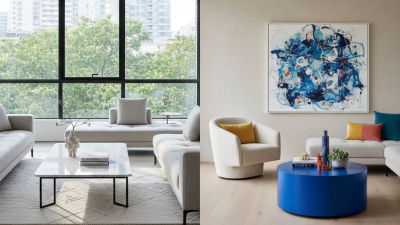
A coffee table is a low table placed near seating, usually in a living room. It holds drinks, books, remotes, and small decorative objects. Its shape should support the room’s movement. Rectangular tables suit long sofas, while round or oval designs soften tight spaces. Square tables work well with matching seating arrangements. In my experience, rounded edges are especially useful in homes with children, though they may offer less usable surface area.

Common materials include solid wood, engineered wood, glass, metal, stone, and combinations of these. Wood adds warmth and can hide minor marks. Glass makes a small room feel more open, but fingerprints appear quickly. Stone feels substantial, yet it can be heavy and difficult to move. Material choice should consider cleaning habits, sunlight, moisture, and daily use. A beautiful surface is not always a practical one.

Tips: Leave about 40 to 45 centimeters between the sofa and table for comfortable movement. The table should usually sit slightly below the sofa seat or at a similar height. For a balanced layout, choose a table about two-thirds the sofa’s length. Measure doorways and walking paths before buying. I once underestimated clearance around a large square table; the room looked stylish, but moving through it felt awkward.

Practical Uses and Placement in Living Spaces

What Is a Coffee Table and How Is It Used?

A coffee table is a low, central surface placed near sofas or lounge chairs. Its main role is practical, not merely decorative. It holds drinks, books, remotes, serving trays, and small everyday items. In daily use, it also helps connect separate seats into one comfortable conversation area.

Placement matters. Keep the table about 14 to 18 inches from the sofa, allowing people to sit and stand easily. Aim for a tabletop close to the sofa seat height, or slightly lower. If the room has a main walkway, leave roughly 30 inches of clear space around it. This measurement prevents awkward bumping, especially in busy homes. A rug can sit beneath the table and front sofa legs, creating a more unified layout.

I have found that rectangular tables suit longer sofas, while round designs improve movement in tighter rooms. One practical mistake is choosing a table that looks attractive but overwhelms the seating area. I once preferred a large surface for convenience, yet it made cleaning and walking noticeably harder. Avoid sharp corners when children frequently use the room. A tray can organize loose objects without making the surface feel crowded. Keep decorative pieces low enough for clear conversation and television viewing. Soft lighting nearby can make the table useful after sunset. For smaller spaces, nesting tables offer flexibility without permanently blocking the floor. Measure the room before buying, and mark the table’s footprint with tape.

How to Choose, Arrange, and Maintain a Coffee Table

A coffee table anchors a seating area while keeping everyday items within reach. It usually sits in front of a sofa, but its size should follow the room, not fashion. Leave about 40 to 45 centimeters between the table and surrounding seats. This gap allows comfortable legroom and safer movement. The table should also sit slightly lower than the sofa cushion. I once chose a table that looked elegant but blocked the walking path. Measurements matter more than photographs.

Choose a shape that supports the room’s traffic pattern. A round table softens rooms with sharp furniture, while a rectangular design suits longer sofas. Consider wood, glass, stone, or mixed materials based on daily use. Families may need rounded corners and a surface that tolerates small scratches. Check the table’s stability by pressing gently near each corner. A beautiful table that wobbles becomes frustrating quickly. Storage can help, but overcrowded shelves make cleaning harder.

Arrange only useful objects on top. A tray can hold remotes, coasters, and a small candle, while leaving space for cups. Keep decorative pieces low enough to preserve conversation and television views. Clean spills promptly with a soft, slightly damp cloth. Use coasters under hot or wet items, even when the finish seems durable. Follow the material’s care instructions, because excessive water can damage wood and some stone surfaces. Dust underneath the table too. It is easy to forget. Review the arrangement every few weeks, since real household habits often differ from the original plan.