Leave Your Message
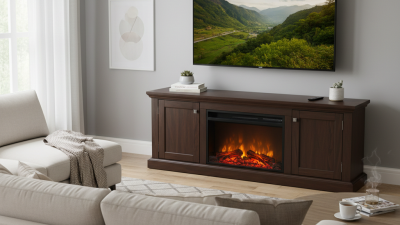
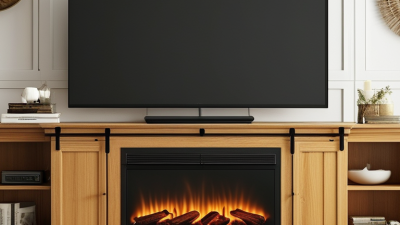
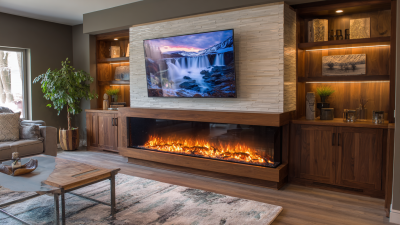
Choosing a Tv Stand With Fireplace can reshape how a living room feels and functions. It combines television support, storage, and gentle visual warmth in one focused piece. In a compact apartment, this combination may reduce furniture clutter and preserve valuable floor space. The soft flame effect can make evening viewing feel calmer. It feels inviting. Yet style alone should not guide the decision. A beautiful cabinet can still be unsuitable if it blocks vents, overloads outlets, or fits poorly against the wall.
Practical planning matters. Measure the television, wall width, viewing height, and available walking space before shopping. Leave the clearance recommended by the manufacturer around the heating unit. Check the stand’s weight capacity and confirm that shelves can hold your devices safely. A certified electrician should inspect unusual wiring or overloaded circuits. Never cover air vents or place objects directly against the heater. Small details matter. I once underestimated cable length and created unnecessary pressure behind the cabinet. That simple mistake made installation less tidy and less safe.
This guide examines why homeowners choose this furniture and where its limitations appear. It considers storage, room design, heating performance, energy use, and everyday maintenance. It also explains how to compare materials, controls, safety features, and installation instructions. The honest answer is that a fireplace television stand cannot suit every room. Some homes need stronger heat output, while others benefit mainly from atmosphere. A thoughtful choice begins with accurate measurements, realistic expectations, and reliable product information. That approach supports comfort without sacrificing safety or long-term usability.
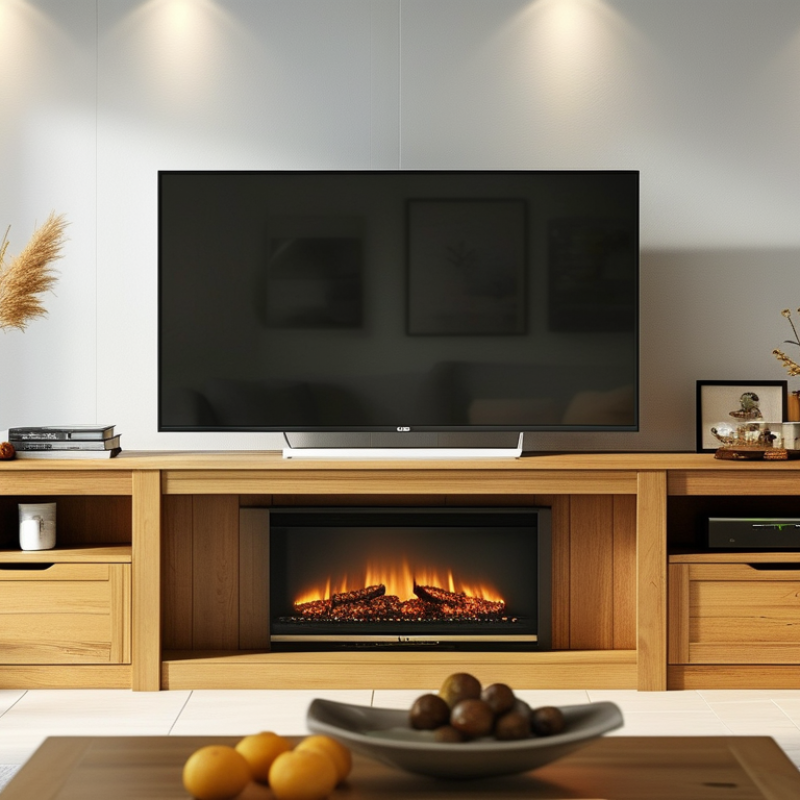
A TV stand with fireplace is a media console that combines television storage with an integrated electric fireplace. It usually includes a mantel-like top, shelves for devices, cable openings, and a front-facing heater with flame lighting. The flames are often decorative, while the heating element supplies supplemental warmth. It is not a replacement for a home’s central heating system.
This furniture suits rooms where one wall must serve several purposes. A family room may gain a television, storage, and a soft orange glow without installing a chimney. The U.S. Energy Information Administration reported that space heating used 42% of household energy in its 2020 Residential Energy Consumption Survey. That figure explains why controlled supplemental heat can matter, especially in smaller living areas. Still, the actual savings depend on room size, insulation, thermostat settings, and electricity prices.
Safety and placement require professional judgment. Keep the screen and console level, follow the heater’s clearance instructions, and avoid covering ventilation openings. The National Fire Protection Association’s home-heating fire reports show why blocked airflow and careless placement deserve attention. An electric fireplace also needs a suitable outlet, not an overloaded extension cord. I have found these units convenient in compact rooms, but their heat can feel uneven. The glowing logs look convincing. They are not real fire. That distinction is easy to forget.
| Data Dimension | Typical Information | What It Means for Your Home |
|---|---|---|
| Product Definition | A TV console that combines television storage with an integrated electric fireplace insert. | It combines two common living-room functions in one piece of furniture, helping create a unified entertainment area. |
| Main Functions | TV support, media storage, cable organization, visual focal point, and supplemental heating. | A single unit can reduce the need for a separate media cabinet and decorative fireplace feature. |
| Typical Heating Output | Many electric fireplace inserts are rated at approximately 1,500 watts and are designed for supplemental heat. | At 1,500 watts on a 120-volt circuit, the heater draws about 12.5 amps. Check the product label and household circuit before use. |
| Heating Capacity | Manufacturers commonly specify coverage by room size; actual performance depends on insulation, ceiling height, windows, and climate. | Use the heater as supplemental warmth rather than the primary heating system unless the unit is specifically rated for that purpose. |
| Flame Effect | LED flame effects can usually operate independently from the heat function. | You can enjoy the appearance of a fire throughout the year without adding heat to the room. |
| Energy Use | The display-only flame effect generally uses less electricity than the heating element; exact consumption varies by model. | Using the flame effect without heat can provide ambience with lower energy use than operating the heater. |
| Common Width Range | Many residential TV fireplace consoles are approximately 48 to 70 inches wide, although sizes vary. | Measure the wall, available floor area, and television width before selecting a console. |
| Television Compatibility | Compatibility depends on the console’s maximum supported width, weight capacity, and mounting arrangement. | Verify the television’s actual width and weight against the furniture specifications. A TV should not overhang unsafely. |
| Storage Configuration | Common layouts include open shelves, enclosed cabinets, adjustable shelves, and central fireplace placement. | Open shelves suit frequently used devices, while cabinets help conceal accessories, games, and other living-room items. |
| Cable Management | Many designs include rear openings or channels for routing power and media cables. | Organized cable routing can make the entertainment area look cleaner and reduce visible wire clutter. |
| Installation Requirements | Electric models generally require a suitable grounded wall outlet and adequate clearance around the heater. | Follow the supplied installation manual. Avoid using an extension cord or power strip unless the manufacturer expressly permits it. |
| Safety Considerations | Keep curtains, paper, furniture, and other combustible materials away from the heater outlet. Do not block ventilation openings. | Correct clearance and unobstructed airflow are essential for safe operation. Supervise children and pets around the heated area. |
| Installation Flexibility | Most electric fireplace TV stands do not require a chimney, gas line, or permanent vent installation. | They can be more practical for apartments, rental homes, and rooms where structural fireplace installation is not possible, subject to local rules. |
| Maintenance | Routine care usually involves dusting the console, cleaning the viewing panel as directed, and checking ventilation openings. | Electric units generally avoid ash, soot, and chimney-cleaning requirements associated with wood-burning fireplaces. |
| Best-Suited Rooms | Living rooms, family rooms, bedrooms, and other indoor spaces with a suitable electrical outlet. | The unit works best where a central television position, storage, and decorative warmth are desired in the same area. |
Specifications vary by model. Always check the manufacturer’s installation instructions, electrical rating, clearance requirements, dimensions, and weight limits before purchase and use.