Leave Your Message
The 2026 Modern Tv Stand market is shifting toward furniture that balances clean design, practical storage, and everyday technology. Global buyers are looking beyond appearance to ask how a stand fits their room, devices, and purchasing requirements. A low-profile unit may suit a large living room, while a compact design can make better use of an apartment corner.
Expect more floating cabinets, rounded edges, warm wood finishes, and mixed materials such as timber and matte metal. Cable cutouts, adjustable shelves, and ventilation gaps also matter. Small details count. A cabinet that hides a router but blocks airflow may look tidy and work poorly. Likewise, a glossy finish can show fingerprints under bright windows.
These trends are useful starting points, not guarantees of quality or suitability. Buyers should compare dimensions, load capacity, assembly instructions, material descriptions, and warranty terms before ordering. For international purchases, confirm measurements in familiar units and check whether the listed finish and hardware match the product photos. A clear return policy can also reduce uncertainty.
This guide examines styles and features that may shape choices in 2026, from minimalist wall-mounted designs to flexible storage systems. It also considers practical trade-offs between visual appeal, durability, and price. Some trends will age quickly. That is worth remembering. The right Modern Tv Stand is the one that fits the actual space and viewing setup, not merely the trend forecast.
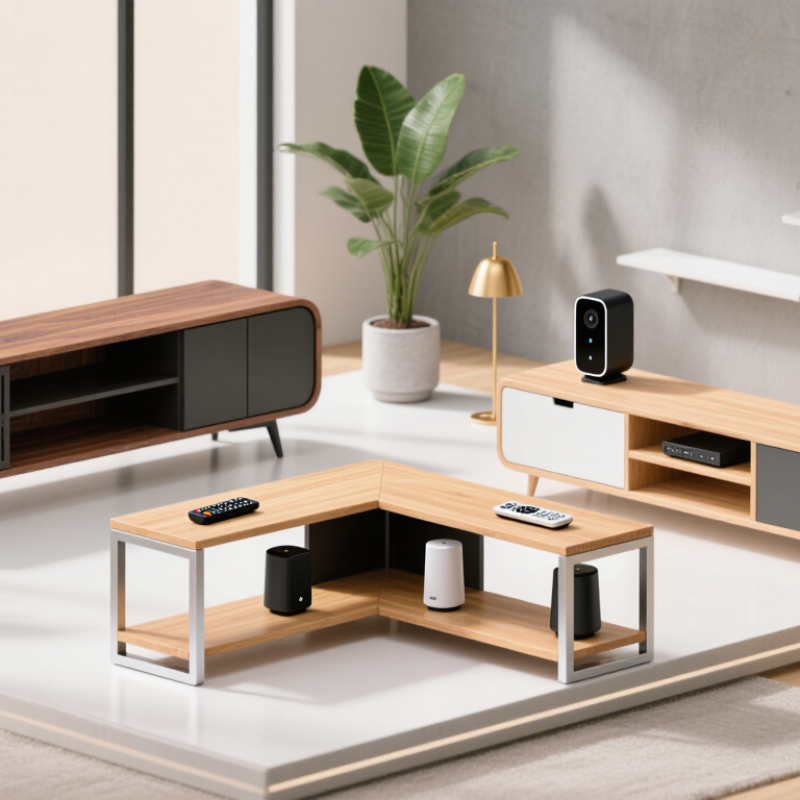
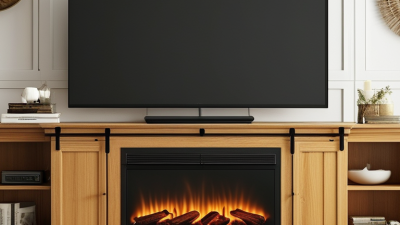
A modern TV stand is a low furniture unit designed to support a television and organize the equipment used with it. It may include open shelves, closed cabinets, drawers, or a mix of these. Its purpose is practical: keep the screen stable, place devices within reach, and reduce visible cable clutter. It also shapes how the television fits into a room. A stand that is too tall can make viewing uncomfortable, while one that is too narrow may look unbalanced or provide poor support. Measure the screen, available wall space, and viewing distance before choosing. Small details matter.
Core features include a suitably sized top, stable construction, accessible storage, and thoughtful cable openings. Open shelves allow airflow around media devices, but they also leave equipment and wires visible. Closed cabinets hide clutter, though doors can limit ventilation or remote-control access. Check that shelves can hold the devices’ weight and that cables can pass through without sharp bends. Finishes and shapes vary, from slim metal frames to warm wood surfaces, so consider cleaning needs and the room’s existing furniture. There is no perfect layout. A tidy stand may still feel inconvenient if everyday connections are hard to reach.
| Trend or Topic | Definition and Purpose | Common Core Features | Buyer Considerations |
|---|---|---|---|
| Modern TV Stand | A furniture unit designed to support a television and, in many cases, organize related electronics, accessories, and media items. | TV-supporting top, storage compartments, cable-management openings, and a design suited to the room. | Check the stand’s stated load capacity and usable top dimensions against the television’s base or mounting requirements. |
| Low-Profile, Minimalist Designs | A streamlined style with simple shapes and limited visual ornamentation, intended to fit contemporary living spaces. | Clean lines, low silhouettes, discreet handles, and closed storage that reduces visible clutter. | Measure the viewing area and confirm that the stand’s height works with the seating position and screen placement. |
| Flexible, Modular Storage | Storage arranged to accommodate different combinations of media equipment, books, and household items. | Adjustable shelves, open bays, cabinets, drawers, or separate components, depending on the model. | Compare interior shelf dimensions with equipment dimensions; allow space for ventilation around heat-producing devices. |
| Integrated Cable Management | Design features that help route and organize power and signal cables behind or through the unit. | Rear access panels, cable cut-outs, routing channels, and space for power strips on some models. | Confirm the openings align with the equipment layout and that cables remain accessible for setup and maintenance. |
| Mixed Materials and Textures | Combining finishes or materials to create visual contrast while matching a room’s furniture and decor. | Examples include wood or wood-look panels paired with metal details, glass shelves, or contrasting finishes. | Review care instructions, surface durability, assembly requirements, and material descriptions before purchase. |
| Wall-Mounted and Floating Styles | A stand or console fixed to a wall to create an elevated, floor-clear appearance and free up floor space. | Wall-fixing points, concealed brackets on some designs, and storage integrated into a wall-mounted unit. | Verify wall type, fixing method, installation requirements, and the combined load limits for the unit and its contents. |
| Compact and Corner-Friendly Units | Space-conscious designs intended for smaller rooms, apartments, or layouts where floor area is limited. | Narrower footprints, corner-compatible shapes, and storage built into a compact profile. | Measure doorways, walkways, corner angles, and the full equipment footprint before selecting a size. |
| Responsible Material Choices | Buyer interest in materials and manufacturing information that supports informed sourcing decisions. | Material details, care guidance, and verifiable information about wood sourcing or recycled content when provided. | Look for specific documentation and clearly defined material claims; avoid relying on vague environmental wording alone. |
| Safety and Stability | Features and installation practices that help reduce the risk of furniture tipping or equipment falling. | Stable construction, suitable hardware, clear assembly instructions, and anti-tip restraints where supplied. | Follow the manufacturer’s assembly and anchoring instructions, especially in homes with children or pets. |