2026 Top Tv Cabinet Types for Global Buyers?
Global buyers are entering 2026 with more Tv Cabinet choices than ever. Demand is shifting toward modular, wall-mounted, corner, and multifunctional designs. These formats suit smaller apartments, open-plan rooms, and changing entertainment systems. They also create different installation and shipping requirements.
Grand View Research valued the global home furniture market at approximately USD 649.8 billion in 2023. Its report forecasts a compound annual growth rate of about 5.7% from 2024 to 2030. This wider market data supports continued opportunity for Tv Cabinet manufacturers and exporters. However, it does not measure Tv Cabinet sales separately. That limitation matters. Market reports often compress very different countries into one attractive average.
Dieter Rams, a widely respected industrial-design authority, said, “Good design is as little design as possible.” His principle remains practical for modern cabinets. Clean fronts, concealed cables, stable shelves, and durable finishes can improve daily use. Global buyers should also examine board density, hinge quality, load capacity, packaging protection, and assembly instructions. A beautiful cabinet can still fail after a rough delivery. It happens.
This introduction examines the leading 2026 Tv Cabinet types for international purchasing. It compares floating units, floor-standing consoles, modular systems, corner cabinets, and fireplace-integrated models. Regional preferences will influence the final choice. European buyers may prioritize compact depth and sustainability. North American buyers often need wider storage and larger screen compatibility. Asian urban markets may favor vertical storage and space-saving proportions. No single design wins everywhere. Practical evidence should guide the decision.
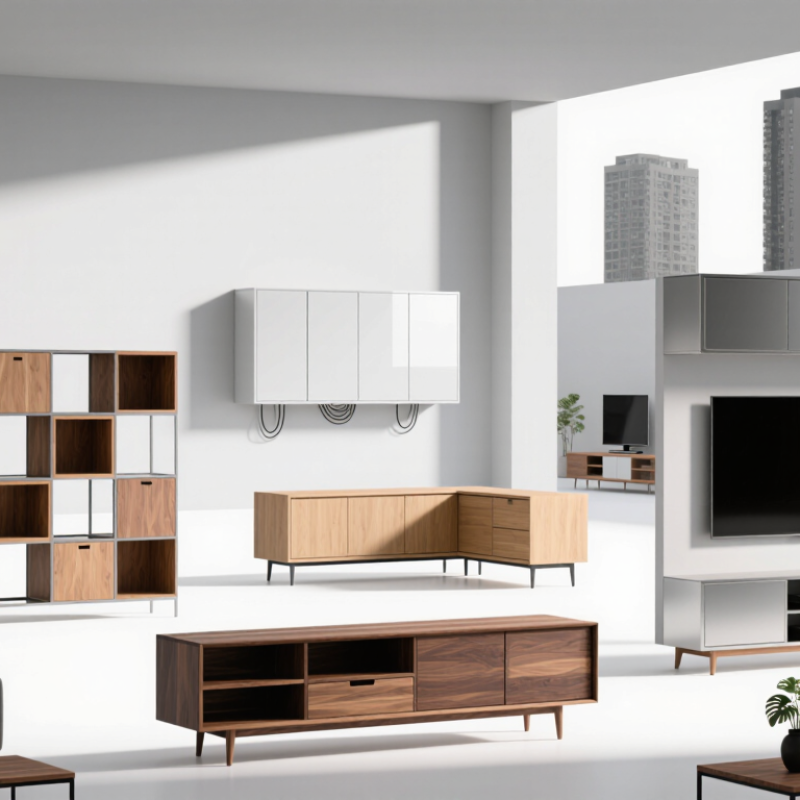
2026 TV Cabinet Taxonomy: Size, Mounting, Storage, and Room Layout
The 2026 TV cabinet market is becoming more segmented. TrendForce estimated global television shipments at about 202 million units in 2024. That volume supports more specific cabinet planning, not one universal design.
Size remains the first filter. A cabinet should usually exceed the screen width by 10–20 centimeters on each side. For large rooms, low consoles between 45 and 60 centimeters high can preserve sightlines. Wall-mounted cabinets suit narrow rooms and floating layouts. Freestanding units remain practical for rental homes and uneven walls. The choice is not always obvious.
Storage defines daily usability. Closed drawers can hide controllers, cables, and gaming accessories. Open shelves improve ventilation for media equipment. Grand View Research places the global furniture market at hundreds of billions of dollars, with steady growth through 2030. However, broad furniture data does not prove every cabinet trend. Buyers should question attractive projections.
Room layout changes the taxonomy further. In compact apartments, shallow cabinets under 35 centimeters reduce circulation problems. Corner units can recover unused space, but they often limit screen placement. In open-plan rooms, a rear-finished cabinet can divide zones without looking temporary. Check wall strength, cable routes, ventilation gaps, and viewing height before purchase. Small details matter.
2026 Top TV Cabinet Types for Global Buyers
2026 TV Cabinet Taxonomy: Size, Mounting, Storage, and Room Layout
The chart shows typical planning dimensions in centimeters for five widely used TV cabinet formats.
Low-profile floor consoles suit open living rooms, wall-mounted units save floor space, modular consoles provide flexible storage,
corner cabinets fit compact layouts, and highboards add vertical storage where wall space is limited. Actual dimensions vary by room layout, TV size, and storage requirements.
Low-Profile Consoles for 55–85-Inch TVs: 16:9 Screen Compatibility
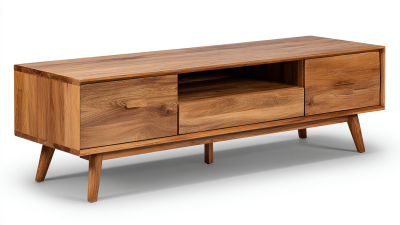
In 2026, low-profile TV consoles remain practical for global living spaces. They keep sightlines open and suit modern apartments, hotels, and media rooms. For 55–85-inch televisions, the 16:9 format offers a useful planning guide. A 55-inch screen is about 48 inches wide, while an 85-inch screen approaches 74 inches. The cabinet should extend beyond the screen on both sides, ideally by 4–8 inches.
A console between 20 and 24 inches high usually supports comfortable viewing from a sofa. Yet seating height changes everything. I always measure the viewer’s eye level before choosing the cabinet. The screen center should not sit too high. Small errors become obvious after installation. A depth of 15–18 inches can hold many displays, sound equipment, and hidden cables. Check the television stand footprint carefully. Not every 85-inch model uses the same base design.
Ventilation deserves equal attention. Leave space around media equipment and avoid sealing heat inside a narrow compartment. Adjustable shelves help accommodate changing devices, although they can reduce storage strength. Cable openings at the rear keep connections tidy across different room layouts. I prefer solid construction, stable leveling feet, and tested load capacity over decorative details. A low console looks clean, but it should still manage weight, airflow, and daily movement safely. Measure twice. The wall, floor, and screen should work together.
Corner, Modular, and Entertainment Wall Units: Space-Use Comparisons
Corner, modular, and entertainment wall units solve different space problems for global TV cabinet buyers. The right choice depends on room geometry, viewing distance, storage needs, and installation access. UN DESA projects that 68% of the world’s population will live in urban areas by 2050. Smaller homes will keep space efficiency important.
Corner cabinets suit compact rooms with unused diagonal space. A 120-centimeter unit can hold a screen, router, and game console without blocking the main walkway. However, corner doors may open awkwardly. Cable access is often limited. Measure the wall angle carefully.
Modular cabinets offer better flexibility. Buyers can combine low consoles, drawers, and open shelves around different screen sizes. This helps when households move or change equipment. It also reduces replacement waste, though separate modules may create visible gaps.
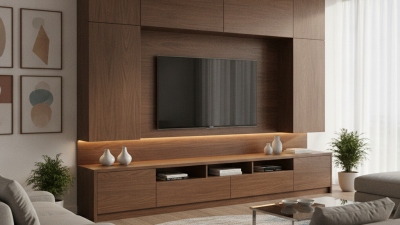
Entertainment wall units use vertical space for storage and visual impact. They work best on a strong, flat wall with concealed wiring. A 30–40-centimeter depth usually protects circulation in narrow living rooms, but heavier structures require professional anchoring.
Grand View Research valued the global furniture market at about USD 766.2 billion in 2023, with projected growth through 2030. This broader figure signals continued demand, not guaranteed success for every cabinet format.
Buyers should verify load ratings, ventilation openings, assembly standards, and regional electrical requirements. A beautiful wall can still become a practical mistake.