Leave Your Message

10 Best Side Coffee Tables for Modern Living Rooms

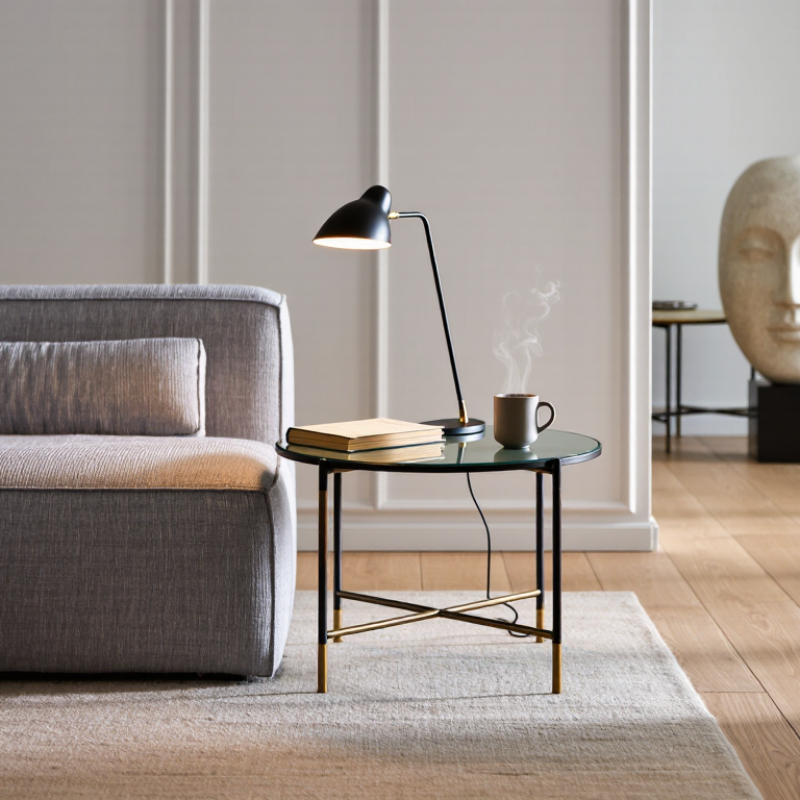
A modern living room often depends on one small piece: the table beside the sofa. Side Coffee Tables can hold a warm mug, a reading lamp, or yesterday’s book. They can also make a narrow room feel crowded when their proportions are wrong. This guide explores ten practical designs for contemporary homes, from slim nesting tables to sculptural stone forms.

Interior designer Emily Henderson describes the coffee table as “the anchor of a living room.” That idea also applies to Side Coffee Tables. Their placement shapes movement, balance, and everyday comfort. A well-chosen table should sit close enough to reach, but never block knees or doorways. The best distance is usually 18 to 24 inches from the sofa, depending on the room and furniture scale.

We assess each option through a practical design lens. Important details include tabletop height, base stability, surface durability, storage, and cleaning demands. Rounded edges may suit homes with children. Tempered glass can open a small room visually. Solid wood adds warmth, but it may show scratches more clearly.

Not every stylish table performs perfectly. Some light designs slide too easily on smooth floors. Some beautiful finishes demand constant care. That is worth admitting. A photograph cannot reveal wobble, sharp corners, or a cup ring after repeated use.

The final selections balance appearance with real living. They suit different budgets, layouts, and habits. Your ideal choice may not be the most expensive one. It may simply be the table you can reach without leaving your seat.
10 Best Side Coffee Tables for Modern Living Rooms

What Defines a Side Coffee Table for Modern Living Rooms

A side coffee table for a modern living room is more than a decorative accent. It is a compact surface placed beside a sofa or lounge chair. Its purpose is to hold a mug, book, remote, or small lamp without interrupting movement.

In practice, the best proportion depends on the seating. The tabletop should sit close to the chair arm or slightly lower. A height between 20 and 26 inches often feels comfortable. Measure before buying. A narrow room needs a table with a small footprint and stable legs. Round edges can reduce bumps in busy homes. A lower shelf adds storage, but it may collect dust quickly. That detail is easy to underestimate.

Materials also define modern character. Wood brings warmth, while metal, glass, and stone create sharper contrast. Choose a finish that matches the room’s daily use, not only its photographs. A pale surface may show coffee rings. Glossy glass can reveal fingerprints. I once chose appearance over weight, and the table shifted whenever someone touched it. That was a poor decision.

Good side coffee tables balance function, scale, and visual space. Look for solid joints, an even base, and enough clearance for cleaning. Lightweight designs are useful when furniture moves often, yet very light tables can feel unstable. The ideal choice leaves room for real life: charging cables, evening snacks, and the occasional misplaced magazine.
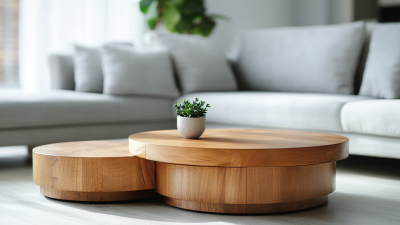
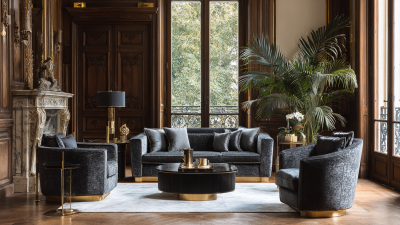
Key Materials, Shapes, and Sizes to Consider

10 Best Side Coffee Tables for Modern Living Rooms

Choosing among ten side-table styles becomes easier when materials, shapes, and sizes serve the room’s daily movement. Solid wood brings warmth and tolerates small scratches, while engineered wood offers stable panels at a lower weight. Tempered glass keeps a narrow room visually open, but fingerprints show quickly. Metal suits industrial interiors, although thin steel can feel cold beside a fabric sofa. Stone adds visual weight and natural variation. It may also challenge one person to move. The 2023 UNEP/GlobalABC report links buildings and construction with 37% of global energy and process-related carbon emissions in 2022. Durable, repairable materials therefore deserve attention, not just attractive finishes.

For shape, round tables soften sharp seating layouts and reduce bumped knees. Square designs provide useful corners for books, lamps, and drinks. Oval tops combine easier circulation with reasonable surface area. Nesting pairs offer flexibility, especially in apartments. In practice, I measure the sofa arm before shopping. The tabletop usually works best at seat height or slightly lower, while a 16-to-20-inch diameter fits many compact settings. Leave about 18 inches of walking clearance when possible. EPA’s 2018 Facts and Figures recorded 12.1 million tons of discarded furniture and furnishings, so replaceable parts and long service life matter. I still prefer a lighter table in small rooms; heavy stone can overwhelm the space, even when its proportions look correct on paper.

How to Match a Table With Your Room’s Design

10 Best Side Coffee Tables for Modern Living Rooms

How to Match a Table With Your Room’s Design

Matching a side coffee table starts with circulation, not color. Leave about 18 inches between the table and sofa when possible. A compact room suits a round pedestal table, nesting pair, or slim C-table. These shapes soften corners and preserve walking space. In larger rooms, try a drum table, square storage table, or sturdy tripod design. ASID’s 2024 Trends Outlook highlights adaptable, multifunctional rooms, making movable tables especially practical.

Match materials to the room’s visual weight. Light oak or pale stone-look surfaces suit Scandinavian and warm minimalist interiors. Dark metal works with industrial rooms. Glass can visually lighten a crowded seating area, but fingerprints become part of the design. I still get this wrong sometimes. A beautiful table can feel awkward if its height sits far below the sofa cushion.

Choose from ten useful styles: round pedestal, nesting tables, C-table, drum, glass, wood, metal, stone-look, storage, and tripod. Check surface safety near children or pets. The U.S. Environmental Protection Agency reports indoor pollutant levels can be two to five times higher than outdoor levels, so select low-emission finishes and ventilate new furniture. UNEP’s 2023 Global Status Report also links buildings and construction to 37% of global energy-related emissions. Durable construction matters. A replaceable top or repairable frame may serve the room longer than a trend-driven purchase.

10 Best Side Coffee Tables for Modern Living Rooms - How to Match a Table With Your Room’s Design

No. Table Style Typical Dimensions
(W × D × H)
Recommended Material Best Room Design Match Ideal Placement Key Features Suggested Clearance
1 Round Pedestal Table 18 × 18 × 22 in
(46 × 46 × 56 cm)
Solid wood or painted MDF Contemporary, Scandinavian, soft minimalist Beside a sofa arm or reading chair Softens angular furniture; no sharp corners 2–4 in from upholstery
2 C-Shape Side Table 16 × 12 × 25 in
(41 × 30 × 64 cm)
Powder-coated steel and engineered wood Modern, compact, urban interiors Slides partly under a sofa or lounge chair Flexible laptop and beverage surface Allow 1–2 in around the frame
3 Nesting Table Set Large: 22 × 18 × 20 in
Small: 16 × 14 × 16 in
Wood veneer with metal or wood legs Eclectic, transitional, family rooms Next to seating or separated for guests Expandable surface without visual bulk Keep 3–5 in between tables when separated
4 Drum Table 20 × 20 × 20 in
(51 × 51 × 51 cm)
Ceramic, stone, or textured composite Organic modern, bohemian, Mediterranean Beside a deep sofa or accent chair Sculptural silhouette and stable footprint 3–6 in from the seat edge
5 Glass-and-Metal Table 18 × 18 × 22 in
(46 × 46 × 56 cm)
Tempered glass and steel Minimalist, industrial, small-space interiors Beside low-profile sofas or chairs Visually light; helps preserve an open feel Leave 2–4 in for easy access
6 Mid-Century Tripod Table 19 × 19 × 21 in
(48 × 48 × 53 cm)
Walnut- or oak-finished wood Mid-century modern, retro, warm modern Pair with a lounge chair or compact sofa Tapered legs and warm natural texture 3–5 in from furniture
7 Marble-Top Accent Table 16 × 16 × 23 in
(41 × 41 × 58 cm)
Natural marble and powder-coated metal Glamorous, contemporary, upscale neutral rooms Next to a sofa, chaise, or occasional chair Distinctive veining and durable stone surface Keep 2–4 in from upholstery
8 Storage Side Table 18 × 16 × 24 in
(46 × 41 × 61 cm)
Laminated wood or bamboo Family-friendly, practical, contemporary rooms Beside a sofa or in a media-room corner Shelf or drawer for remotes, books, and chargers Allow 3–5 in for drawer access
9 Live-Edge Wood Table 20 × 16 × 22 in
(51 × 41 × 56 cm)
Solid acacia, oak, or walnut Rustic modern, Japandi, nature-inspired rooms Beside neutral upholstery and woven textiles Adds organic character and tactile contrast 4–6 in from surrounding furniture
10 Drinks Trolley Table 24 × 16 × 25 in
(61 × 41 × 64 cm)
Metal frame with wood or glass shelves Industrial, entertaining, open-plan living rooms Near a sofa grouping or dining-to-living transition Wheels and two levels for flexible serving Keep 6–12 in for rolling movement

Dimensions are typical planning sizes; actual proportions may vary by construction and intended use.

Ten Notable Side Coffee Table Styles to Compare

When comparing the 10 best side coffee table styles, measure the sofa arm height first. I usually leave 2–4 inches between the tabletop and the arm. This keeps drinks reachable without creating visual clutter.

A round pedestal table softens sharp seating layouts. A C-table slides under a sofa and supports a laptop. Nesting tables add flexible layers for guests. A drum table offers strong volume beside a deep sofa. A trestle table brings a structured, architectural look. A glass-top table helps small rooms feel more open. It can show fingerprints quickly. A marble-top table adds weight and natural veining, but needs careful handling. A solid wood table feels warm and ages visibly. Small scratches may become part of its character. A metal-frame table gives a lighter, more industrial profile. A lift-top side table hides useful storage for remotes and books.

Material choice should match daily habits, not only photographs. In homes with children, rounded corners and stable bases deserve priority. Test each table by pressing gently on its edge. Wobbling is not a minor detail. For narrow rooms, keep at least 18 inches of walking space where possible. I once chose a beautiful table that blocked a cabinet door. It looked right, but lived badly. Finishes also deserve inspection under daylight, since glossy surfaces can reflect lamps and television glare.

Placement, Care, and Everyday Functionality

A side coffee table earns its place through useful positioning, not decoration alone. In a modern living room, place it beside a sofa arm or reading chair. Keep about 16 to 18 inches between the table and seating. This gap allows easy movement without making drinks feel distant. Check the table height, too. Its surface should sit near the chair arm for comfortable use. Small detail.

I once placed a narrow table behind a sofa because the room looked cleaner. It looked attractive, but reaching for a book became awkward. That mistake changed how I judge everyday functionality. A good table should hold a lamp, glasses, a remote, and perhaps one small tray. Drawers or lower shelves help control clutter. Choose a rounded shape for busy walkways, especially around children or pets.

Care depends on the material and finish. Wipe spills quickly with a soft, slightly damp cloth. Avoid soaking wood surfaces, since moisture can enter seams and cause swelling. Use coasters, but do not treat them as decoration. Felt pads under accessories can reduce scratches on delicate finishes. Stone surfaces may need special care because acidic drinks can leave dull marks. I prefer practical finishes over high-gloss surfaces, although that choice is not universal. Dark tables can show dust faster than expected. A weekly wipe usually keeps them presentable. Rotate decorative objects occasionally, so one area does not fade or wear unevenly.