Why Choose a Black Coffee Table for Your Living Room?
Why choose a Coffee Table Black for your living room? The answer begins with balance. A black table can anchor pale sofas, warm wood floors, and textured rugs. It also creates a strong visual point without demanding bright colors. Interior designer Joanna Gaines has said, “A home should be a reflection of the people who live in it.” That idea matters here. A coffee table should support daily life, not merely complete a photograph.
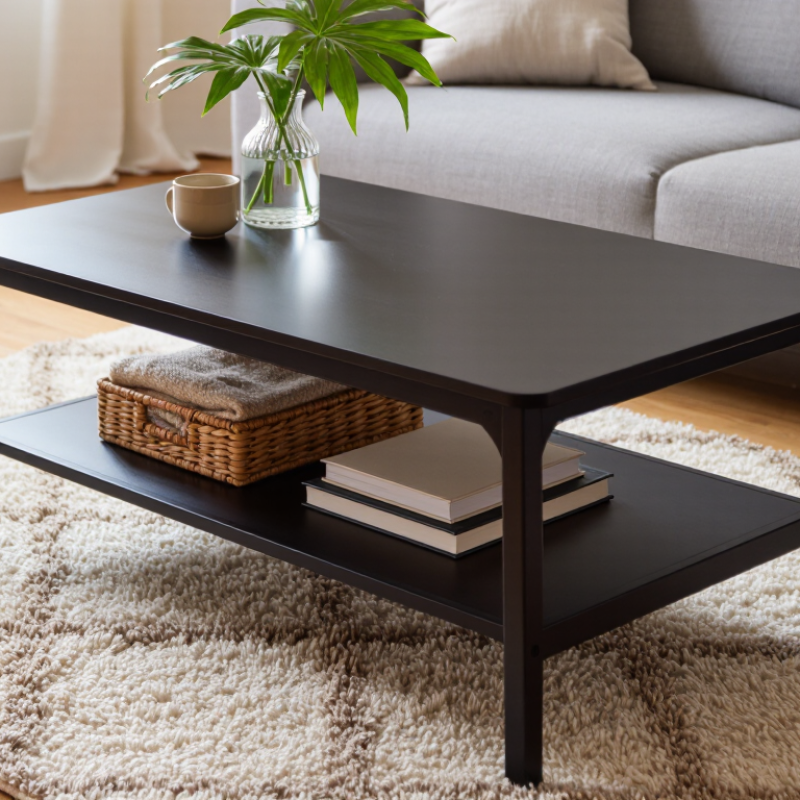
In real homes, dark furniture can be remarkably forgiving. It hides small stains, softens visual clutter, and gives scattered objects a clearer background. A matte black finish feels calm beside linen upholstery. A glossy surface reflects lamps and can make a compact room feel more active. Consider the details. Rounded corners suit homes with children. A lower shelf holds books, baskets, or a folded throw. Solid wood offers warmth, while powder-coated metal creates a cleaner, lighter impression.
Still, black is not automatically the best choice. It can reveal dust, fingerprints, and scratches under strong afternoon light. The wrong shape may also make a small room feel crowded. Measure the walking space carefully. Leave enough room to move around the table comfortably. This is where personal experience becomes useful: a beautiful table that blocks the sofa is not successful. Perhaps the most honest choice is slightly imperfect, practical, and easy to live with. A well-chosen Coffee Table Black should look good on quiet mornings and during messy evenings. That is the real test.
Defining the Role of a Black Coffee Table in Living Room Design
A black coffee table is more than a dark surface between sofas. It defines the living room’s visual center. Its strong tone can anchor pale rugs, warm timber, or cream upholstery. In room planning, I often use it to connect separate areas without adding another dominant color.
Scale matters. Keep roughly 45 centimeters between the table and surrounding seating for comfortable movement. The table should also sit close to sofa-seat height. A matte finish can soften reflections, while stone, wood, or textured laminate adds tactile interest. These details support daily use, not only staged photography. The 2024 U.S. Houzz & Home Study reported that 54% of homeowners renovated their homes in 2023. That activity suggests a practical shift: people want rooms that look considered and function well.
Black also changes perceived weight. A slim frame feels lighter than a solid block, especially in a compact room. Rounded corners can improve circulation around children or frequent guests. I have seen dark tables disappear beautifully against deep flooring, but they can also make a small room feel crowded. My own preference can mislead me here. Natural light, wall color, and rug pattern deserve equal attention. The American Society of Interior Designers’ 2024 Trends Outlook continues to emphasize comfortable, personalized interiors rather than purely decorative rooms. A black coffee table works best when it serves the room’s habits, storage needs, and visual balance.
Key Benefits of Choosing a Black Coffee Table
A black coffee table gives your living room visual weight without demanding a complete redesign. Its dark surface frames lighter sofas, rugs, and walls, much like a picture frame around a bright photograph. The U.S. Census Bureau recorded more than $130 billion in furniture and home-furnishings store sales in 2023. That scale reflects strong, continuing interest in functional home pieces. A black table can meet that demand with practical style. It hides small stains better than pale finishes, although dust and fingerprints may appear more clearly.
Key benefits include versatility, contrast, and perceived structure. A matte-black table can soften reflections and suit modern, industrial, or traditional rooms. Glass, wood, and metal versions also create different textures. Houzz’s 2024 U.S. Houzz & Home Study shows that homeowners continue investing in personalized improvements, rather than treating living spaces as fixed displays. A black table supports that approach because accessories can change around it. Still, it may make a small room feel heavier. I have seen this happen when the rug and sofa are also dark.
Tips: Check the table against your floor in daylight. Leave at least 16 inches between the table and sofa for comfortable movement. Choose rounded corners in busy homes. Use a tray, light books, or a pale ceramic object to break up the dark surface. A microfiber cloth helps, but frequent cleaning may be necessary. The best choice depends on lighting, traffic, and the room’s existing visual balance.
How Black Coffee Tables Complement Different Interior Styles
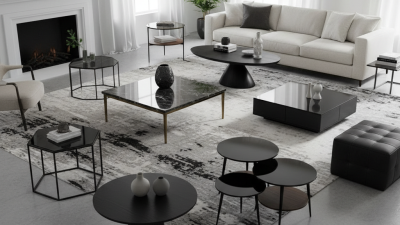
A black coffee table can anchor a living room without competing with its main furniture. Its success depends on the interior style, finish, and surrounding light. In a minimalist room, a low table with clean edges creates a calm visual center. Matte black works especially well beside pale walls, wool rugs, and simple sofas. It feels quiet, not heavy.
Industrial interiors welcome stronger contrast. A black metal frame, visible joints, and a textured wood top can echo brick walls and concrete floors. For Scandinavian rooms, choose a rounded silhouette or slim legs. The softer shape prevents black from feeling severe. In a traditional setting, a table with turned legs or a subtle sheen can connect with leather seating and warm wood cabinets. Eclectic rooms allow more freedom, but repeated black details help the space feel intentional.
Tips: Measure the sofa before buying. The table usually looks balanced when it sits close to the sofa’s seat height. Leave enough walking space around every side. Place a ceramic bowl, a small lamp, or a stack of books on top. Avoid filling every inch. I once selected a glossy table for a bright room, and fingerprints became distracting. A matte surface would have been wiser. Also, check the table at night. Dark furniture can disappear under weak lighting, while a nearby floor lamp can restore its shape.
Why Choose a Black Coffee Table for Your Living Room?
How black coffee tables complement different interior styles
Black coffee tables provide strong visual contrast and work well with a wide range of interiors.
Their neutral color supports clean modern spaces, balances warm industrial materials, and creates
a refined focal point in minimalist, Scandinavian, and contemporary living rooms. The scores
represent a comparative design-fit assessment based on color contrast, material coordination,
and visual balance.
Ways to Style and Maintain a Black Coffee Table
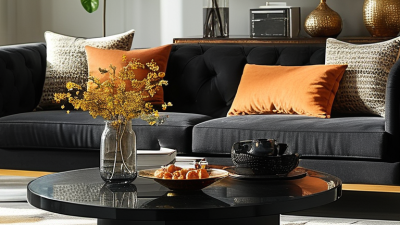
A black coffee table gives a living room a strong visual anchor. Its dark surface can make pale sofas, warm rugs, and light curtains feel more balanced. In my experience, styling works best when the table carries only a few purposeful objects. Try a shallow tray, one textured book, and a small ceramic vase. Add natural wood or woven details to soften the darker finish. Keep it calm.
Leave some empty space. It makes the room feel larger and keeps daily use practical. A glass vase can reflect light, while a folded throw nearby adds softness without crowding the tabletop. I once arranged too many decorations on a black table, and every mark became noticeable. The display looked impressive briefly, but it was inconvenient.
Maintenance depends on the table’s material and finish.
For sealed wood, wipe spills quickly with a soft, slightly damp cloth, then dry the surface. Use coasters under cold drinks, because moisture rings can still appear. For glass, remove dust with a clean microfiber cloth before using a mild cleaner. Avoid abrasive pads and excessive water. They may dull finishes or leave cloudy streaks. Place felt pads under ornaments to prevent fine scratches. Check the care instructions before applying any product, and test it on a hidden area. Black surfaces reveal dust easily, so a quick weekly wipe usually helps. Yet perfection is unrealistic; a few signs of use can make the room feel lived in.