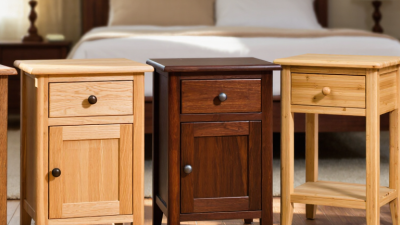
Choosing the right Bedside Table can change how a bedroom feels and functions each night. It holds more than a lamp. It may support a book, glasses, medication, charging cables, and a glass of water. The best choice keeps these items close without making the room feel crowded. Small details matter. Drawer depth, tabletop height, edge shape, and surface finish all influence daily comfort.
This guide explores 10 bedside tables suited to different bedrooms, budgets, and storage needs. Each option is considered through practical details, including stability, materials, assembly, maintenance, and available space. A compact table may suit a narrow apartment, while a wider wooden design can balance a large bed. Open shelving offers quick access, but it can collect dust. Drawers hide clutter, although they may feel less convenient at night. These trade-offs matter more than attractive photographs.
Reliable furniture advice should also consider safety and long-term use. A stable base helps prevent tipping, especially when the table carries a lamp or heavy books. Rounded corners may be preferable in smaller rooms or homes with children. We also look at whether the design supports modern habits, such as cable charging and late-night reading. Not every recommendation will suit every sleeper. Personal routines, mattress height, and room lighting can change the result. That is worth remembering before buying. Our comparisons aim to make the decision clearer, while leaving room for honest judgment and individual preference.
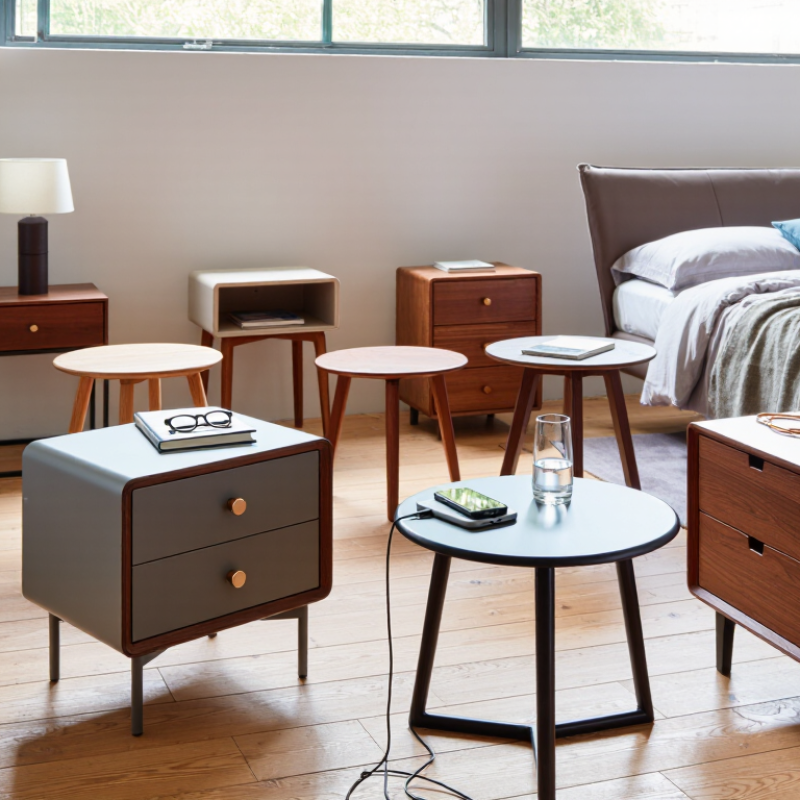
Understanding bedside table styles helps you choose furniture that fits daily habits, not just bedroom decoration. A compact drawer table keeps medication, reading glasses, and cables out of sight. An open-shelf design offers quick access to books and a water glass. A floating table saves floor space and makes cleaning easier. Round tables soften rooms with sharp furniture, while narrow tables suit small bedrooms. Measure the mattress height first. The tabletop should sit near mattress level, allowing comfortable reach without leaning.
Tips: Leave enough space for walking. Keep cords away from bedding. Choose stable legs and smooth edges. A warm lamp, small clock, and book may be enough. Avoid filling every inch. Empty space improves usability.
Material also affects maintenance and comfort. Wood feels warm, metal looks lighter, and engineered panels can resist everyday marks. Check the table’s weight and construction before placing heavy lamps on it. Ventilated charging areas may reduce cable clutter, but they are not always necessary. I once selected a beautiful table with poor drawer clearance, and its handle struck the wall each morning. That mistake changed my approach. Style matters, but movement matters more. Consider how the table works during sleepy, hurried moments. A useful bedside table should support routines quietly, without becoming another object to manage.
Typical tabletop dimensions by bedside table style, shown in centimeters. The comparison highlights how different designs support storage, accessibility, and space-saving needs.
Width and depth figures represent common furniture dimensions for each style rather than brand-specific products. Compact floating, C-table, and nesting designs are suitable for smaller bedrooms, while bedside chests and drawer tables provide more surface area and enclosed storage. Round and open-shelf tables offer flexible access and a lighter visual appearance.
A bedside table should fit your room, not fight it. Measure the available width beside the bed before comparing styles. Leave at least 60 centimetres for walking space when possible. In a narrow bedroom, choose a table between 35 and 45 centimetres wide. A larger room can handle 50 to 70 centimetres. Keep the tabletop close to mattress height, usually within 5 centimetres. This makes lamps, books, and glasses easy to reach at night.
Consider the bed frame, door swing, and nearby drawers together. A deep table may block a wardrobe, even when its width looks suitable. I once chose a table by appearance alone. The drawer opened into the bed frame. It worked poorly. Allow 5 to 10 centimetres between furniture pieces where movement feels tight. For children’s rooms, rounded corners and stable construction deserve extra attention. A lower table can also feel safer and easier to use.
Tips: Mark the table’s footprint with masking tape before buying. Place a lamp, water glass, and book inside the taped area. Check whether you can reach them without twisting. If the layout feels cramped, reduce depth before reducing height. Measure twice. Bedrooms often look larger on paper.
10 Best Bedside Tables for Every Bedroom
Choosing a bedside table starts with material, not decoration. Solid wood feels warm and handles daily use well, but it may react to humidity. Engineered wood offers a stable, affordable surface, though damaged edges can swell. Metal suits modern rooms and resists stains. Glass creates visual lightness, but fingerprints appear quickly. Natural woven materials add texture, yet they need careful cleaning.
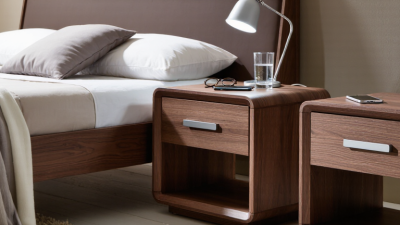
Storage should match your nighttime routine. A single drawer can hide medication, reading glasses, and charging cables. An open shelf keeps books visible but collects dust. Two drawers provide better separation, especially in smaller bedrooms. Measure the table beside your bed. Its top should sit close to mattress height for comfortable reach. Measure twice.
Essential features include stable legs, smooth drawer movement, and a surface wide enough for a lamp. Look for rounded corners if children share the room. Cable openings prevent wires from hanging across the floor. A moisture-resistant finish helps near windows or humid bathrooms. Avoid tables that wobble when touched; the problem usually worsens over time.
I once chose a beautiful table with shallow storage. It looked perfect, but my lamp and water glass crowded the top. That mistake changed how I assess furniture. Practical capacity matters more than appearance. Check the table’s weight, hardware, and assembly instructions before buying. A slightly imperfect finish may feel more honest, while poor construction rarely improves.
10 Best Bedside Tables for Every Bedroom?
A bedside table should solve a nightly problem, not merely fill an empty corner. In room planning, I measure the mattress height first. The tabletop should sit close to the mattress top, usually within a few inches, so lamps and glasses stay reachable. Small rooms benefit from narrow tables with one drawer or an open shelf. Keep it light. A bulky cabinet can make a tight room feel boxed in, even when its storage seems useful. Rounded edges also reduce painful bumps during hurried mornings.
Different sleepers need different features. Readers may prefer a stable table with a broad surface and a warm, focused lamp. People charging phones need a rear cable opening, but built-in power should be inspected by a qualified professional. Anyone with limited mobility may need drawers that glide easily and handles that are simple to grasp. For children, choose sturdy construction, soft corners, and an anchored design. Guest rooms usually need less storage; a compact table, reading light, and clear water space are enough. Not every room needs two matching tables.
When comparing ten bedside table styles, judge them by use, not appearance alone. A drawer unit suits private items, while an open shelf keeps books visible. A slim pedestal works beside a small bed, though it can tip if overloaded. Wood feels warm, metal cleans easily, and woven surfaces add texture but may collect dust. Check the table’s weight, finish, assembly instructions, and return policy. I once favored a beautiful table with too little legroom; it looked right but failed nightly. Measure walking clearance, test drawer movement, and leave enough space for changing sheets.
| No. | Bedside Table Type | Typical Dimensions (W × D × H) |
Best Bedroom Need | Useful Features | Recommended Materials | Key Selection Consideration |
|---|---|---|---|---|---|---|
| 1 | Compact One-Drawer Table | 40–50 × 35–40 × 55–65 cm | Small bedrooms and narrow spaces | One drawer for essentials, open area for books or a small basket | Wood, engineered wood, or metal with a wood top | Choose a width that leaves a comfortable walking path beside the bed. |
| 2 | Two-Drawer Bedside Chest | 45–60 × 35–45 × 55–70 cm | Bedrooms needing concealed storage | Separate storage for medication, personal items, cables, and reading materials | Solid wood, plywood, or durable engineered wood | The top should be close to mattress height for convenient access. |
| 3 | Open-Shelf Bedside Table | 40–55 × 35–45 × 50–65 cm | Readers and people who prefer visible storage | Quick access to books, glasses, chargers, and decorative items | Wood, bamboo, metal, or powder-coated steel | Use baskets or boxes if you want the open shelf to look less cluttered. |
| 4 | Floating Wall-Mounted Table | 35–55 × 25–35 × 20–30 cm | Very small rooms and easy floor cleaning | Clear floor area, simple visual profile, and flexible mounting height | Solid wood, plywood, laminate, or metal | Fix it securely into suitable wall supports and confirm the wall can carry the load. |
| 5 | Bedside Table with Charging Compartment | 45–60 × 35–45 × 55–70 cm | Bedrooms with multiple electronic devices | Hidden cable management, rear cable opening, and a dedicated device shelf | Engineered wood, plywood, or wood with metal hardware | Check that ventilation is available and keep electrical equipment away from liquids. |
| 6 | Bedside Cabinet with Door | 45–60 × 35–45 × 55–70 cm | Minimalist rooms and dust-sensitive storage | Closed compartment helps keep belongings visually tidy and reduces exposed dust | Wood, engineered wood, rattan, or metal | Look for a smooth door hinge and enough internal clearance for stored items. |
| 7 | Narrow Tall Bedside Chest | 30–40 × 30–40 × 65–85 cm | Bedrooms with limited floor width but high storage needs | Several vertically arranged drawers with a small footprint | Solid wood, plywood, or engineered wood | Use an anti-tip fitting when the unit is tall or when children may access the room. |
| 8 | Round or Curved-Edge Table | 40–55 cm diameter × 50–65 cm high | Family bedrooms and rooms where sharp corners are a concern | Soft edges, compact footprint, and a less formal appearance | Wood, MDF with a sealed finish, or metal with a rounded top | Choose a stable base and a wipe-clean surface for everyday practicality. |
| 9 | Adjustable Bedside Table | 40–60 × 35–45 × 55–80 cm | Adjustable beds, guest rooms, and flexible layouts | Height-adjustable legs or tabletop for changing bed heights and uses | Metal frame, laminated wood, or composite panels | Confirm the height range, locking mechanism, and maximum supported weight. |
| 10 | Bedside Table with Wheels | 40–60 × 35–45 × 55–75 cm | Guest rooms, accessible bedrooms, and flexible furniture arrangements | Lockable casters allow movement while keeping the table stable when parked | Powder-coated metal, laminate, or sealed wood | Select casters suitable for the floor surface and lock them before use. |
Evaluating the ten best bedside tables requires more than judging appearance. I compared storage, stability, materials, height, assembly, and everyday comfort. Each table was considered beside a standard bed, with attention to reachable surfaces and safe movement.
The strongest options include compact tables for narrow rooms, two-drawer designs for organized storage, and open-shelf models for quick access. A solid wood frame feels dependable, but it may show small knots or uneven grain. That is not always a defect. It can also reveal natural material quality. Metal legs improve airflow, while soft-close drawers reduce nighttime noise. Poorly aligned runners, however, quickly weaken the experience.
Measurements matter. A bedside table should usually sit close to mattress height, though personal sleeping habits can change that choice. I checked whether a lamp, phone, book, and glass of water could fit together. Cable openings were useful, but some were placed too low for modern chargers. Stability also deserved careful attention; a lightweight table may shift when someone reaches for a drawer. Assembly instructions varied, and one otherwise attractive design took much longer than expected. These imperfections make evaluation less absolute. The best table depends on room size, storage needs, material preferences, and tolerance for maintenance. A small bedroom may benefit from a narrow table, while a larger room can support deeper drawers and stronger visual balance.