Why Are Night Stand Side Tables So Popular?
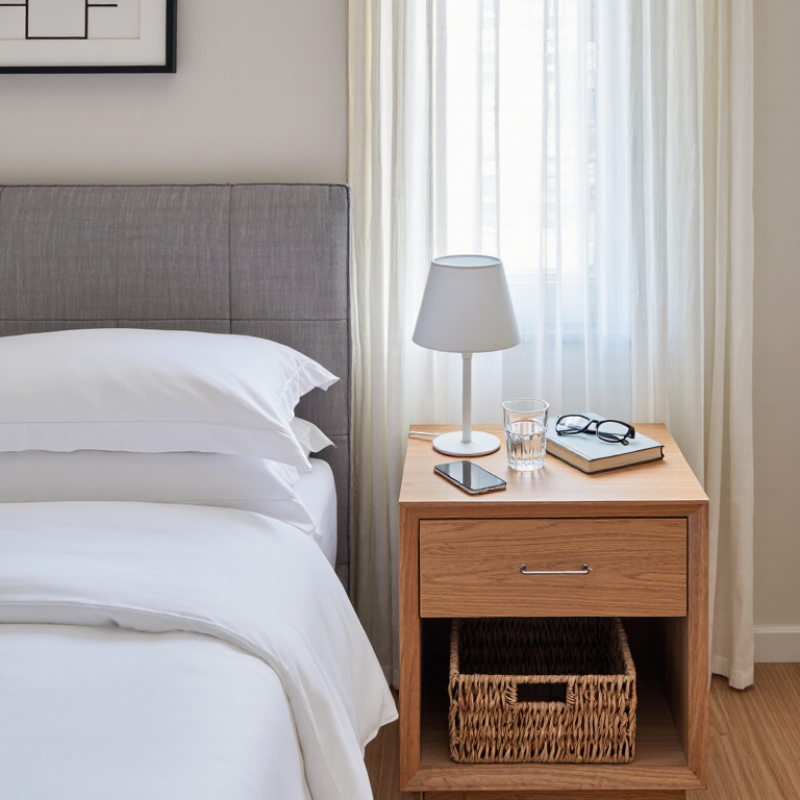
Night Stand Side Tables have a simple job: keep everyday essentials close without taking over the room. A phone, reading glasses, water glass, and lamp need somewhere to land. At bedtime, that small patch of surface can make a bedroom feel more orderly. It can also become cluttered surprisingly fast. That trade-off is part of their appeal.
Industry data offers useful context, though not a direct measure of nightstand sales. Grand View Research valued the global bedroom furniture market at $253.8 billion in 2023. Its report forecasts a 4.8% compound annual growth rate from 2024 to 2030. The category covers many products, so those figures should not be mistaken for nightstand-specific demand. They do show the scale of consumer investment in bedroom furnishings. Meanwhile, compact homes and changing room layouts make adaptable pieces especially practical: a narrow table beside a bed may provide storage without blocking a walkway. That is a modest benefit, but it matters at 11 p.m., when a lamp switch should be easy to reach.
Popularity, then, is not just about matching wood finishes or decorative handles. Height, drawer space, stability, and access to charging can shape whether a side table works in daily life. Needs differ, of course. A beautiful table that is too low may still frustrate its owner. This guide explores why these bedside pieces remain popular, what features people value, and where their convenience has limits.
What Nightstand Side Tables Are and How They Differ from Other Tables
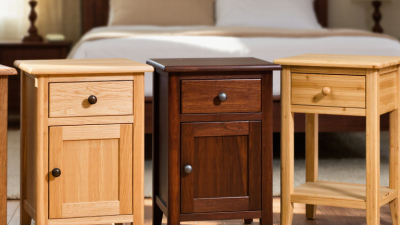
A nightstand side table is a compact surface placed beside a bed, usually within easy reach while someone is lying down. It may hold a lamp, reading glasses, a glass of water, or a phone. Many designs include a drawer or shelf, but neither feature is essential. Height matters more than it may seem: a tabletop near mattress level is easier to reach without stretching.
Unlike a coffee table, a nightstand is designed for one person’s bedside routine, not for a shared seating area. It is typically narrower than a console table and often includes storage for small personal items. Side tables elsewhere in a home may serve a flexible purpose; a nightstand has a more specific location and job. That focused design helps explain its popularity. Still, a table that looks right in a room can feel awkward if its legs block a walkway or its surface sits too low. I have found that small differences in reach can matter.
Tips: Measure from the floor to the top of your mattress before choosing a table. Leave enough space to open drawers, and check that a lamp’s switch is reachable from bed. Keep the surface useful, not crowded.
Why Are Night Stand Side Tables So Popular? - What Nightstand Side Tables Are and How They Differ from Other Tables
| Feature |
Nightstand |
General Side Table |
Coffee Table |
Console Table |
| Typical location |
Beside a bed, usually within easy reach of someone lying down. |
Beside a sofa, chair, or other seating area. |
In front of a sofa or seating group. |
Along a wall, behind a sofa, or in an entryway. |
| Main purpose |
Holds bedside essentials such as a lamp, phone, book, or alarm clock. |
Provides a nearby surface for drinks, books, or decorative items. |
Provides a shared surface for items used while seated. |
Provides a long, relatively narrow surface for display or everyday items. |
| Typical height |
Often close to mattress height for convenient reach; the right height depends on the bed. |
Usually selected to suit the height of the adjacent seat or armrest. |
Generally lower than the seat of the sofa. |
Often around waist height, though height varies by use and design. |
| Storage |
Frequently includes drawers, a cabinet, or an open shelf for bedside storage. |
May have a shelf or drawer, but many designs are open. |
May include a lower shelf or drawers; many have an open top and base. |
Often has an open base, with storage varying by design. |
| Common design considerations |
Reach from bed, space for bedside items, and access to outlets or charging cables. |
Fit beside seating, provide a stable surface, and leave room to move around. |
Allow comfortable legroom and a clear path through the seating area. |
Fit the available wall space without obstructing walkways or doors. |
| Why people choose it |
Combines an easy-to-reach surface with storage in a compact bedside footprint. |
Adds a flexible surface wherever a nearby place for items is useful. |
Creates a convenient shared surface for a living-room seating area. |
Makes use of narrow wall spaces and provides a display or drop-off surface. |
Furniture dimensions and features vary by design. For comfortable bedside use, compare the table height with the top of the mattress and check that drawers or doors can open without obstruction.
How They Support Everyday Bedside Routines
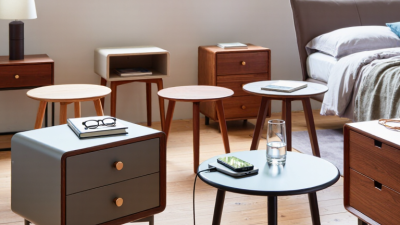
A bedside table supports small routines that make a bedroom easier to use. At night, it holds a lamp, water, reading glasses, or the book you keep returning to. That means fewer trips across a dark room and less searching beneath blankets. Small things matter. Keeping regular items within reach can make bedtime feel calmer, especially when the room is shared.
In the morning, the same surface gives a phone or alarm clock a predictable place. A drawer can hide charging cables, tissues, and other everyday clutter, while an open shelf keeps a current book easy to grab. A lamp with a reachable switch is especially useful when you want light without getting out of bed. Just avoid crowding the top; a full table can become one more messy surface to manage.
The best size depends on the bed and the habits around it. A narrow table may suit a small room, but it can feel cramped beside a large bed. Before choosing one, consider what you actually reach for and how much floor space remains for walking. It is easy to assume that extra storage is always helpful. Sometimes a simple surface works better, though it may take a few nights to notice what is missing.
Why Are Nightstand Side Tables So Popular?
How They Support Everyday Bedside Routines
A nightstand keeps frequently used essentials within reach. This illustrative routine—not survey data—shows how a lamp, book, phone, water, alarm, or glasses can support wind-down, overnight, and morning habits.
Which Storage and Design Features Make Them Practical
Nightstand side tables earn their place by keeping bedtime essentials within reach without taking over a room. A drawer gives charging cables, glasses, and a notebook a home while hiding visual clutter. That matters. A lower shelf can hold a book or basket, keeping the tabletop clear for a lamp and water. The right arrangement depends on what someone reaches for at night.
Storage works best when its dimensions suit the routine. Shallow drawers make small items easy to find; deep ones can swallow things and invite messy piles. A raised edge helps keep objects from sliding off. A small cable opening can stop cords from trailing across the floor. Handles should be easy to grasp in low light, but not stick out far enough to catch clothing.
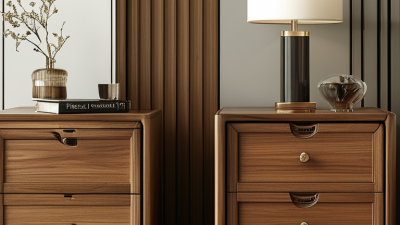
Design affects everyday comfort, too. Rounded corners help in narrow rooms, while a stable base reduces wobble when someone sets down a phone. Wipeable finishes are useful around water rings and dust. Still, more storage is not always better: a bulky table can crowd a bed, and open shelves reveal clutter quickly. A simple, well-sized piece may serve better than one packed with features.
How They Fit Different Bedroom Styles and Spaces
A nightstand works because it can change shape without changing its purpose.
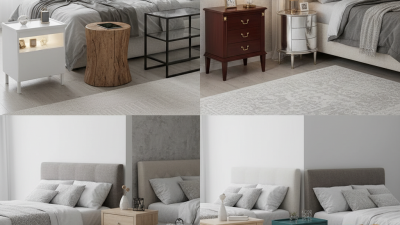
In a narrow bedroom, a slim table with open legs keeps the floor visible and holds a lamp, book, and glass of water. Beside a low platform bed, a simple wood cube feels grounded. In a traditional room, a drawer-front table can echo the bed’s finish without matching it exactly. Small change. Real comfort. The U.S. Census Bureau’s 2023 Characteristics of New Housing report gives the median floor area of new single-family homes as 2,286 square feet. That is a whole-home figure, not a bedroom measurement, but it shows why flexible furniture still matters across different layouts.
Scale matters more than labels. A floating shelf can free up floor space in a compact room, while a wider bedside cabinet may balance a tall headboard and provide hidden storage. For an eclectic bedroom, a mismatched pair can look intentional if their heights stay close to the mattress. Check reach, too: a lamp switch should be easy to find from bed, and drawers should open without hitting the wall. I still think the “perfect set” idea is overrated; a beautiful table becomes awkward if it blocks a walkway. Measure the bed, wall, and clearance before choosing.
Not always glamorous. Often useful.
What Drives Their Popularity Across Homes and Lifestyles
A nightstand earns its place by solving several small problems at once. It keeps a phone, reading glasses, and a glass of water within reach, while a drawer hides cables or medication. Its appeal also fits changing household needs. The U.S. Census Bureau’s 2022 report on living arrangements found that about 29% of U.S. households were single-person households. For one person, a compact side table can serve as a bedside surface, a reading spot, or extra storage in a small room. Small, but useful.
A bedside table can also support routines as people stay in their homes longer. In AARP’s 2021 Home and Community Preferences Survey, 77% of adults aged 50 and older said they wanted to remain in their homes as long as possible. A stable surface beside the bed may make everyday items easier to reach, though it is not a substitute for thoughtful room design. Height matters: a tabletop near mattress level is easier to use than one that sits too low. Storage helps, but bulky tables can crowd narrow walkways. That trade-off is easy to overlook. A simple design may suit a renter, while a drawer or shelf may better serve someone sharing a bedroom or managing limited space.