Why Choose a Minimalist Center Table for Your Home?
A center table can quietly shape how a living room feels and functions. The right one holds a mug, a book, or a tray without making the space feel crowded. A Minimalist Center Table offers a simple profile, open surroundings, and fewer visual distractions. That simplicity can help a small room feel calmer, though it does not automatically make every layout better. Proportion still matters.
Before choosing a table, measure the seating area and walking paths. Leave enough room to move comfortably between the table and sofa. A low table may suit a relaxed seating arrangement, while a compact round design can soften a room filled with straight edges. Check the listed dimensions, materials, and care instructions rather than relying on photographs alone. Small details matter.
Think about daily use, not just appearance. A smooth, durable surface may be practical for a busy household, while delicate finishes can need gentler care. Rounded corners may be worth considering where children move around the room. Still, minimal does not mean empty or cold. A warm wood grain, a textured stone surface, or one carefully chosen object can add character. There is no perfect formula; even a beautiful table can feel awkward if it blocks movement or sits at the wrong height. Choose with your room’s real routines in mind, and let the design earn its place.
What Defines a Minimalist Center Table?
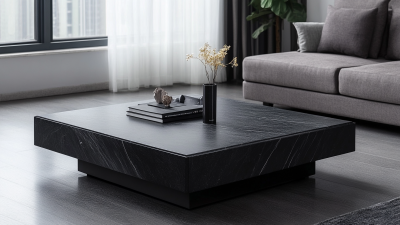
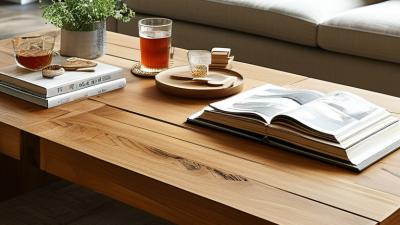
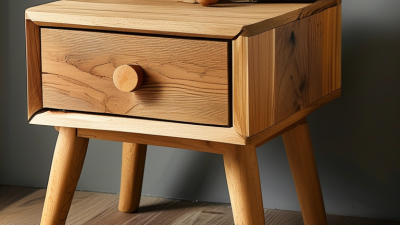
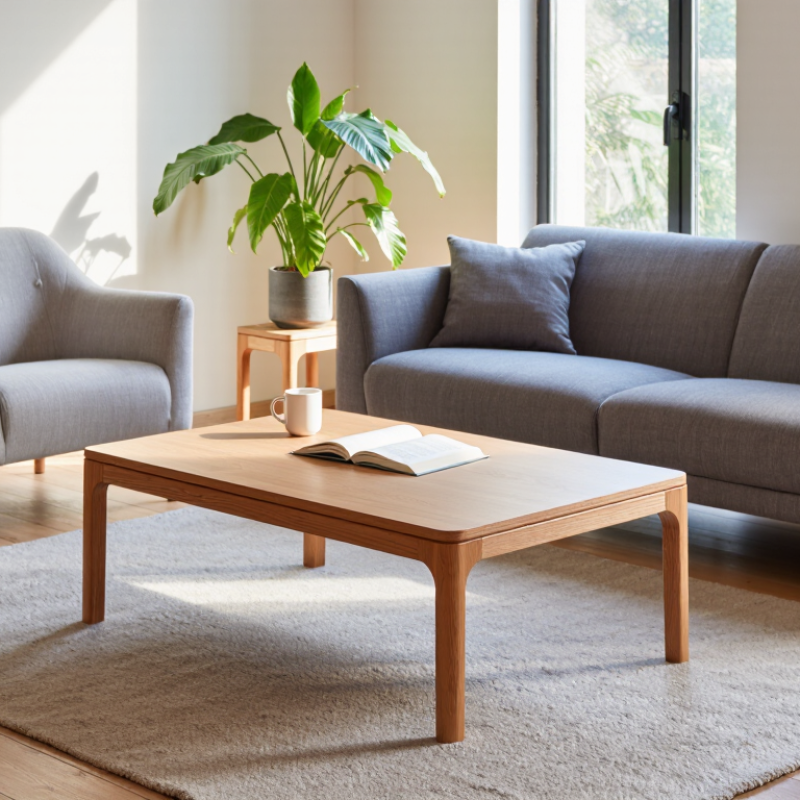
A minimalist center table is defined less by a strict style label than by what it leaves out. Its shape is usually clear and uncomplicated: a round top, a slim rectangular surface, or a simple frame with open space beneath. Materials might reveal wood grain, stone texture, or a quiet matte finish instead of decorative carving. The materials still matter. A thin top can look calm, but it should feel stable when you set down a mug or book.
Proportion is another defining feature. In a living room, the table should relate to the sofa’s height and leave enough space to walk around it. Many people find a top near seat height or slightly lower comfortable, though room layout and personal use can change that. A smaller footprint can keep more floor visible and make a compact room feel less crowded. But too small can look accidental. Not just appearance.
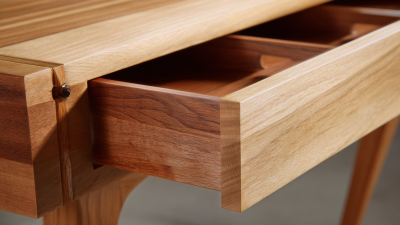
Minimalism is not the same as emptiness. A tray, a few books, or a ceramic bowl can give the surface purpose without making it busy. Check the edges, leg joints, and whether the finish shows fingerprints easily; these everyday details are easy to overlook. In daily use, even a beautiful table can frustrate people if it wobbles or offers no useful landing space. Simplicity needs thought. Sometimes, less is merely less.
Why Choose a Minimalist Center Table?
What Defines a Minimalist Center Table?
A minimalist center table pairs a simple silhouette with proportions that suit the room. This planning example uses a 200 cm sofa: the 133 cm table length is about two-thirds of the sofa length. The other measurements are illustrative choices, not universal standards. A clean design can keep the living area feeling open and uncluttered.
How Its Design Shapes a Living Room
A minimalist center table shapes a living room by controlling its visual weight.
A low, open design lets the eye travel across the rug, sofa, and far wall. That small pause between objects can make a compact room feel less crowded.
The U.S. Environmental Protection Agency reports that people spend about 90% of their time indoors.
It is a useful reminder: the spaces we use daily deserve careful attention. A table with slim legs and a clear surface can support that feeling without demanding attention.
Its effect is practical, too.
Leave enough floor visible for walking, and the room feels easier to move through. A shallow tray can hold a remote and a cup, while one book adds texture without turning the tabletop into storage.
Measure the distance from sofa to table before buying;
a beautiful piece can still interrupt the path. I prefer rounded corners in tight layouts, especially where children pass. But minimal does not mean empty. One lamp reflection, a wood grain, or a slightly uneven stack of magazines can make the room feel lived in.
The balance is fussy.
I sometimes remove too much, then miss the everyday warmth. A center table should shape the room, not flatten it.
Common Materials, Forms, and Finishes
A minimalist center table works best when its material, shape, and finish suit daily routines. Solid wood brings visible grain and can be refinished, while veneer offers a similar look with less material. Stone feels cool and substantial, but it can be heavy and may stain. Glass keeps a small room visually open. It also shows fingerprints quickly.
Shape matters as much as material. A round top softens a room and leaves fewer sharp corners along a busy walkway. Oval tables can fit narrow spaces; square forms pair neatly with compact seating. Keep the profile light. Check that the table sits close enough for a mug, but leaves clear room to pass. One useful reminder comes from the U.S. EPA’s 2018 Advancing Sustainable Materials Management report: 12.1 million tons of furniture and furnishings were generated in the United States that year. About 9.7 million tons were landfilled. Choosing a durable, repairable table may help it stay useful longer.
Finishes change both appearance and upkeep. Matte lacquer reduces glare, while an oil finish lets wood grain feel more present under the hand. Honed stone has a softer sheen than polished stone, but still needs prompt care after spills. Powder-coated metal resists everyday scuffs, though edges can chip. Minimal does not mean maintenance-free. A pale top may show every ring, and that can feel less calm than expected.
Practical Benefits for Everyday Living
A minimalist center table can make everyday routines feel less crowded. Its open space beneath the top helps keep the floor visible, while a simple surface is easier to wipe after coffee, snacks, or a child’s craft project. Choose a size that leaves comfortable walking space around the sofa; a table that looks elegant but blocks the route soon becomes an obstacle. A lower shelf can hold remotes and magazines, though it may also collect clutter if left unchecked.
Material and construction matter as much as appearance. The U.S. Environmental Protection Agency’s Advancing Sustainable Materials Management: 2018 Fact Sheet estimated that 12.1 million tons of furniture and furnishings entered the U.S. waste stream, with 80.1% landfilled. That broad category is not specific to center tables, but it is a useful reminder to consider durability before buying. Check that the table feels stable, has a finish suited to your cleaning routine, and fits the room’s actual use. Minimal does not always mean practical.
Tips: Measure the sofa-to-table gap before shopping. Tape the table’s outline on the floor and walk around it for a day. Notice what you reach for most. Then choose storage—or skip it.
Why Choose a Minimalist Center Table for Your Home? – Practical Benefits for Everyday Living
| Design Feature |
Practical Benefit |
Everyday Consideration |
| Simple shape and clean lines |
Creates a visually calm focal point and can work with a range of interior styles. |
Choose a size and finish that coordinate with your sofa and other furnishings. |
| Compact footprint |
Can leave more open floor space in smaller living rooms or shared spaces. |
Measure the room and allow comfortable routes around the table before buying. |
| Uncluttered tabletop |
Provides a convenient surface for drinks, books, remotes, or a small decorative item. |
A simple design may offer less built-in storage than a table with drawers or shelves. |
| Fewer decorative details |
Often makes routine dusting and wiping more straightforward, depending on the material and finish. |
Follow the care instructions for the specific surface, especially for wood, glass, or stone. |
| Open base or leg design |
Allows more of the floor to remain visible and can make a room feel less crowded. |
Check that the base is stable and that its legs do not obstruct regular foot traffic. |
| Versatile, neutral appearance |
Can be easier to pair with changing cushions, rugs, and seasonal décor. |
Prioritize durable construction and a finish suited to how the table will be used. |
Note: Actual durability, maintenance needs, and available storage depend on the table’s materials, construction, and dimensions.
Factors to Consider When Choosing a Center Table
Why Choose a Minimalist Center Table for Your Home?
Factors to Consider When Choosing a Center Table
Start with the room’s measurements, not the table’s appearance. A table that looks compact in a showroom can crowd a narrow living room. Aim for about 14–18 inches between the table and sofa, leaving enough space to reach a drink without twisting. Keep the main walking route clear, too. Measure the sofa, rug, and doorway before shopping. It is an easy step to skip.
Think about daily use and materials. Rounded corners can be more practical in a tight room, while a lower shelf gives remotes and magazines a place to land. Glass can keep a small space feeling open, but it shows fingerprints quickly. Wood offers a warmer surface, though its finish may need care. Houzz’s 2024 U.S. Houzz & Home Study reported a $24,000 median spend on home renovations in 2023. That broader figure is a reminder to consider lasting value, not just the purchase price. Check that the tabletop feels stable and that its finish suits your household’s routines.
Finally, weigh visual balance. A minimalist table should support the room, not disappear awkwardly inside it. As a practical starting point, choose a table roughly two-thirds the length of the sofa, then check the proportions from the doorway. This guideline is not universal; a sectional or unusually small rug may call for a different shape. Bring measurements, and, if possible, mark the proposed footprint on the floor with painter’s tape. Walk around it. Does the room still breathe?