Leave Your Message

How to Choose the Right Bedside Table for Your Bedroom?

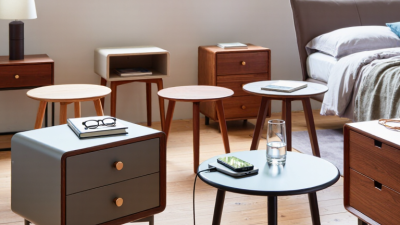
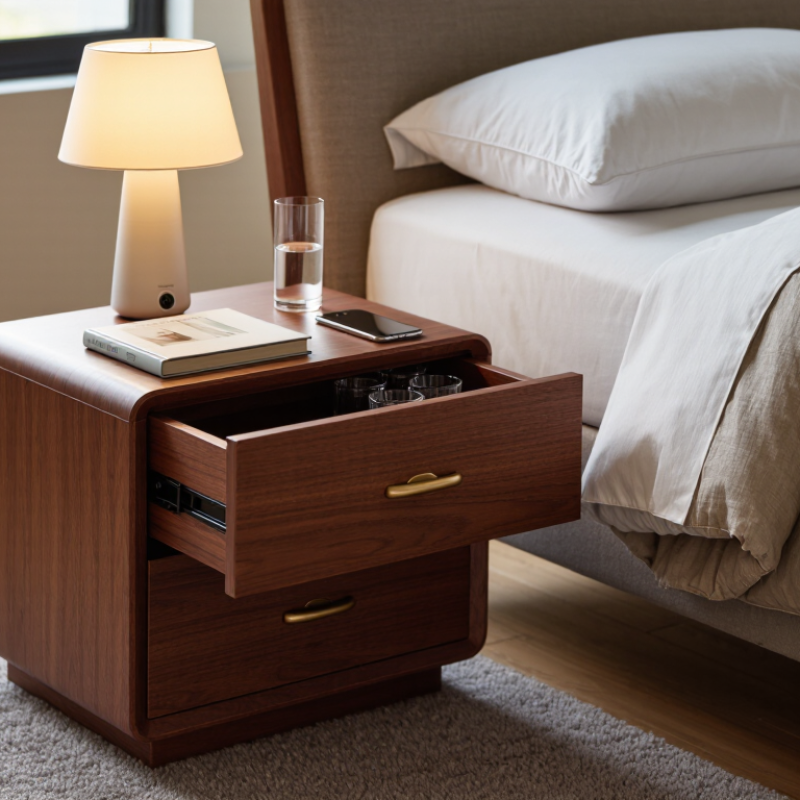
Choosing the right Bedside Table is a small design decision with a daily impact. It holds the objects you reach for in the dark: a phone, glasses, a book, or a glass of water. Yet the wrong height can make those essentials awkward to reach, while shallow drawers can turn useful storage into clutter. Measure your bed first. Then consider walking space, drawer access, and whether a lamp will fit without crowding the surface.

The National Sleep Foundation’s 2011 Bedroom Poll found that 75% of respondents considered comfortable sheets and bedding important for good sleep. This is not a bedside-table study, and it is not recent. Still, it points to a practical truth: bedroom comfort comes from several connected choices, not one purchase. A stable table, easy-to-reach lighting, and a calm surface can support a more orderly routine. Small details matter.

Interior designer Nate Berkus has said, “Your home should tell the story of who you are, and be a collection of what you love.” That idea offers a useful lens for choosing a table: match its finish and shape to your room, but let everyday needs guide the final decision. A beautiful piece can still be inconvenient. Compare nightstand height with mattress height, check the space around drawers, and think about materials that suit your habits. There is no perfect formula. The right choice is the one that fits your room, your belongings, and the way you actually use your bedside.
How to Choose the Right Bedside Table for Your Bedroom?

Assess Your Bedroom Layout and Bedside Storage Needs

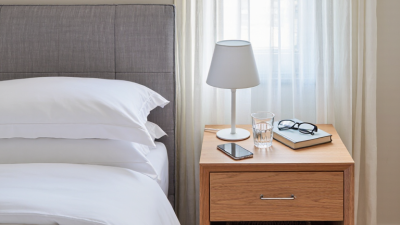
Measure the space beside your bed, including the room needed to open drawers or wardrobe doors. A table that fits on paper may still block a narrow walkway. Keep the top close to mattress height so you can reach a glass or lamp without stretching. Check where outlets sit, too. A charging cable trapped behind a drawer gets annoying fast. Small rooms need restraint.

Think about what you actually store overnight. A book, reading glasses, and medication may need only one drawer, while extra linens call for deeper storage elsewhere. Open shelves make frequently used items easy to grab, but they can look cluttered when several small objects collect there. A useful test: list your bedside essentials, then check whether they fit with room to spare. It is easy to overestimate how much storage you need; I would leave some space empty rather than choose a bulky table that crowds the bed. If you share the room, compare both sides. One person may need a drawer, while the other prefers an open surface. A slightly uneven setup can work better than matching tables that do not suit the layout.
How to Choose the Right Bedside Table for Your Bedroom

Assess your bedroom layout and bedside storage needs

How to use this chart: These practical sizing ranges are a starting point, not fixed standards. Measure the space beside your bed and check that the table leaves enough room to move comfortably. Choose a wider or deeper option if you need space for items such as a lamp, books, or a phone; choose drawers or shelves when you need concealed or vertical storage.

Choose a Table Height and Size That Fit Your Bed

A bedside table should feel like a natural extension of your bed, not a stretch or an obstacle. Measure from the floor to the top of your mattress, including any topper. A table close to mattress height usually makes a phone, book, or glass of water easy to reach. A difference of one or two inches can still work. Comfort matters more than a perfect match.

Check the table’s width and depth against the space beside your bed. Leave room for drawers to open and for your feet to pass. In a narrow room, a compact table around 16 inches wide may be more practical than a broad cabinet. Measure the gap between the bed and wall, too. I have found that even careful measurements can miss a protruding baseboard or bed frame, so allow a little extra clearance.

Tips: Sit on the bed and reach toward the spot where the table will stand. If your shoulder lifts or you have to lean, reconsider the height. Keep the surface deep enough for essentials, but not so large that it crowds the walkway.

Compare Storage Options, Materials, and Construction

A bedside table should match what you reach for at night, not just the room’s style. Measure the space beside your bed, then check drawer depth and door swing. A shallow top drawer keeps glasses, a book, and charging cables close. Open shelves suit baskets, but they show dust and visual clutter. A deep drawer sounds useful; it can also become a dark catch-all. That trade-off is easy to miss in a showroom.

Materials affect both upkeep and repair. Solid wood can often be sanded, while veneer needs gentler care around chipped edges. Engineered wood can offer a stable, lower-cost option, but inspect exposed edges and hardware. Press the table gently: wobble, loose joints, and thin drawer bottoms can signal weak construction. Look for smooth drawer travel and a finish that feels even. Check the underside, too. Small details matter.

Durability has a wider cost. The U.S. Environmental Protection Agency’s 2018 Advancing Sustainable Materials Management report estimated that Americans generated 12.1 million tons of furniture and furnishings waste. That figure covers many furniture types, not bedside tables alone. Still, it supports choosing a piece that can be repaired or used for years. I would favor sturdy joinery over an extra drawer I rarely need. A slight mismatch in color may be less troublesome than a table that loosens after a few months.

Match the Table’s Style to Your Bedroom Decor

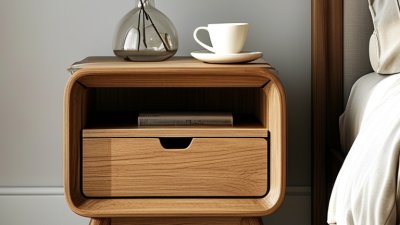
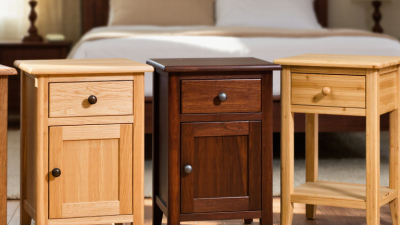
A bedside table does not need to match your bedroom furniture exactly. It should share at least one visual quality with the room, such as warm wood, rounded edges, or a simple metal finish. In a calm, pale bedroom, a small oak table can add warmth without making the space feel heavy. In a room with dark walls, a lighter table creates a clear contrast. Keep the contrast intentional. Too many competing finishes can make even a tidy room feel unsettled.

Look closely at the shapes around your bed. A curved headboard often pairs naturally with a table that has softened corners, while clean-lined furniture suits a more angular design. Texture matters, too: woven drawers can soften a room filled with smooth surfaces, and a painted finish can echo a nearby dresser. Keep the scale in mind. A delicate table beside a bulky bed may look out of place, even if the colors coordinate. I’d compare samples in the room’s daylight before choosing; wood tones can shift more than expected. Not every pairing works. A little mismatch can still feel personal, but it helps to repeat one color or material elsewhere, perhaps in a lamp base or drawer pull.

How to Choose the Right Bedside Table for Your Bedroom? — Match the Table’s Style to Your Bedroom Decor
Bedroom Decor Style Table Style and Materials Colors and Finishes Useful Features Choosing the Right Size Styling Tip
Traditional Solid-wood table with classic proportions, framed drawer fronts, or subtle turned details. Warm wood tones, walnut-like stains, or painted finishes in muted colors. One or two drawers help keep reading glasses, chargers, and other small items out of sight. Choose a tabletop close to mattress height for convenient access while lying in bed. Echo a wood tone or finish already used in the bed frame or other bedroom furniture.
Modern Minimalist Simple geometric forms with clean lines; wood, metal, or a combination of both. Black, white, gray, or natural wood with a smooth, low-sheen finish. A single drawer or open shelf provides storage without making the design feel heavy. Measure the space beside the bed and leave enough room for drawers or cabinet doors to open. Keep the tabletop uncluttered and select a lamp with a straightforward silhouette.
Scandinavian Light-toned wood, tapered legs, and compact shapes with practical storage. Pale natural wood, soft white, or subdued pastel accents. An open shelf is useful for books, while a drawer keeps smaller essentials tidy. A narrower table can preserve open floor space in a smaller bedroom. Pair the table with soft textiles and a simple ceramic or fabric-shaded lamp.
Industrial Wood paired with metal frames, visible hardware, or straightforward utilitarian details. Natural or darker wood combined with black or dark metal. Open shelving offers easy access to books and baskets; drawers conceal personal items. Check that the table’s legs and base do not obstruct nearby walkways or storage. Repeat one metal finish elsewhere in the room, such as in a lamp or curtain hardware.
Coastal Lightweight-looking wood or painted furniture with relaxed, uncomplicated lines. White, pale blue, sand, or light natural wood finishes. A shelf or shallow drawer offers practical storage while keeping the overall look airy. Select a proportion that does not visually crowd the bed or a narrow bedside walkway. Use natural textures, such as woven storage or a linen lampshade, for a relaxed feel.
Farmhouse Painted or natural wood with sturdy proportions, simple paneling, or modest hardware. Warm wood, cream, soft gray, or muted green finishes. A drawer paired with an open lower shelf balances concealed and accessible storage. Compare the table’s width with the available wall space, especially beside a large bed. Coordinate the finish with other wood or painted details without requiring an exact match.
Any Bedroom Style Choose a construction and shape that work with the room’s existing furniture and available space. Consider how the finish looks in both daylight and the bedroom’s evening lighting. Look for stable construction, smooth drawer movement, and enough surface area for everyday items. Measure the bed height, table footprint, and clearance needed for drawers, doors, and walking paths. Prioritize comfortable reach and everyday function, then use decor details to reinforce the room’s style.

Check Practical Features, Durability, and Budget

Choose a bedside table that fits the way you use your room. Measure the bed height and available floor space before shopping. A tabletop near mattress height keeps a phone, book, or glass of water within easy reach. Check drawer movement, handle attachment, and whether the base feels steady on your floor. Small details matter. A heavier table is not automatically more durable; damp rooms can still damage some solid-wood finishes, while thin panels may loosen around frequently used screws.

Budget for the whole job, not just the sticker price. The U.S. Bureau of Labor Statistics’ 2023 Consumer Expenditure Survey reported average annual spending of $2,639 per consumer unit on furnishings and equipment. That broad category is not a bedside-table price, but it shows how furniture competes with other household purchases. Compare construction and warranty terms, and leave room for delivery costs. I sometimes focus too much on appearance; a beautiful table that blocks a drawer or outlet can become a daily annoyance.

Tips: Open every drawer in the showroom, if possible. At home, place a lamp on the top and check that its cord reaches safely. For a tight budget, prioritize stable construction and useful storage over decorative extras. Keep the receipt. It is easy to overlook return conditions.